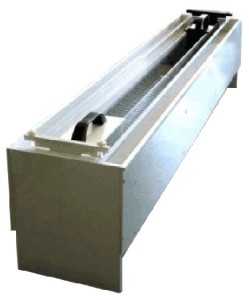
 Activité, Système Moteur & Coordination
 Douleur - Allodynie/Hyperalgésie Thermique
 Douleur - Spontanée - Déficit de Posture
 Douleur - Allodynie/Hyperalgésie Mécanique
 Anxiété & Dépression
 Apprentissage/Mémoire - Attention - Addiction
 Physiologie & Recherche Respiratoire
 Métabolisme & Nutrition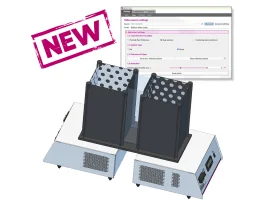
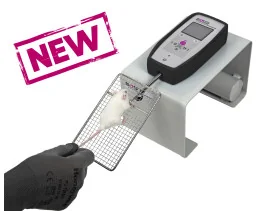
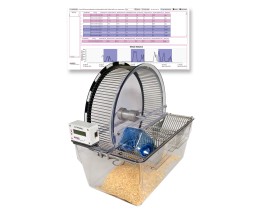












 Douleur
 Système Nerveux Central (SNC)
  Neurodégénérescence
 Système sensoriel
 Système moteur
 Troubles de l'humeur
 Autres pathologies
 Système musculaire
 Articulations
 Métabolisme
 Thématiques transversales
 Congrès & Meetings 2026
 Authors
Tian-Jie Lyu, Xin Qiu, Yubo Wang, Ling Zhang, Yalun Dai, Xuechun Wang, Shunying Zhao, Meilin Xiang, Lu Cui, Si Cheng, Yang Liu, Hongqiu Gu, Yong Jiang, Xia Meng, Yilong Wang, Xingquan Zhao, Xianwei Wang, Qian Li, Meng Wang, Yingyu Jiang, Zhe Xu, Xinying Huang, Hao Li, Yongjun Wang, Zixiao Li
Lab
Journal
MedComm
Abstract
DNA methylation plays an important role in the ischemic injury of the brain and the regulation of inflammation.36The level of total DNA methylation increases after ischemic stroke in mice, while the protein level of DNMTs is upregulated, mainly in DNMT3A, rather than DNMT1 or DNMT3b.12,17Genetic deletion of DNMT1 or treatment with the DNA methyltransferase inhibitor 5-aza-2-deoxycytidine intracerebroventricularly reduced the damage to ischemic tissue and infarct volume.16,37In contrast to the permanent and systemic changes introduced by knockout models, RG108 offers a temporal and potentially tissue-specific approach that better mimics DNMT3A dysfunction. AsDNMT3A-CHIP is a pre-existing condition in stroke patients, we administered the inhibitor once daily for 3 days prior to surgery and again at reperfusion onset to better simulate this clinical context. We found that DNMT3A inhibition by RG108 in a tMCAO stroke mouse model increased infarct volume and exacerbated neurobehavioral function, which is inconsistent with previous reports that inhibition of DNMTs function with antagonists or siRNA exerts neuroprotective effects.13-19RG108 does not enter the brain at sufficient concentrations due to the blood-brain barrier.38,39In previous studies, DNMTs inhibitors or siRNAs were incubated with primary cultured neurons or injected into the mouse brain by intracerebral stereotaxic injection, focusing on their protective effect in neurons.13-19However, we selected different DNMTs inhibitors and injection methods, which focused on inflammation and yielded inconsistent results. Our results focused on how DNMT3A dysfunction affects the inflammatory immune cells after AIS and demonstrated that DNMT3A dysfunction causes neurological functional disability in AIS through the mechanism of neutrophil proliferation and infiltration. In a previous study that focused on the relationship between type 1 diabetes and stroke severity, Kalani etal.12concluded that persistent systemic hyperglycemia exacerbates the inflammatory response after ischemic stroke and reduces the levels of DNMT1, DNMT3A, and global 5-mC in the brain, leading to larger infarct size, more severe edema, and cell death.12This is similar to our results to a certain extent, indicating a possible association between DNMT3A functional deficits via inflammation and poor functional outcomes after stroke. It reveals that DNMT3A inhibition can offer central neuroprotection, while peripheral DNMT3A inhibition increases inflammation and stroke severity. Abovementioned evidence underscores the complex roles of DNMT3A in epigenetic regulation and its systemic effects.
Keywords/Topics
dysfunction;promotes;neuroinflammation;exacerbates;acute;ischemic;stroke;methylation;plays;important
BIOSEB Instruments Used:
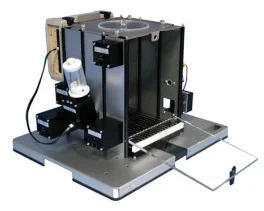
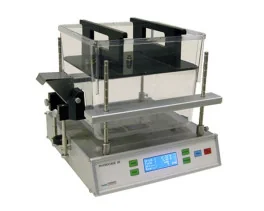
Automatic Foot misplacement apparatus (BIO-FMA)
Source :