
 Activité, Système Moteur & Coordination
 Douleur - Allodynie/Hyperalgésie Thermique
 Douleur - Spontanée - Déficit de Posture
 Douleur - Allodynie/Hyperalgésie Mécanique
 Anxiété & Dépression
 Apprentissage/Mémoire - Attention - Addiction
 Physiologie & Recherche Respiratoire
 Métabolisme & Nutrition

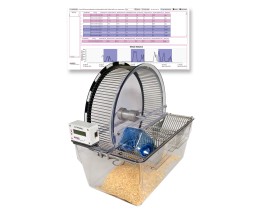
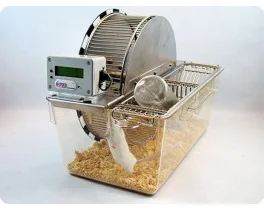
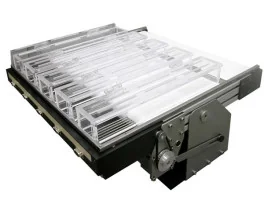
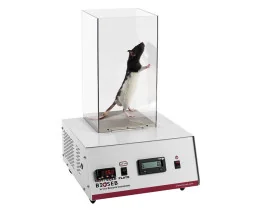
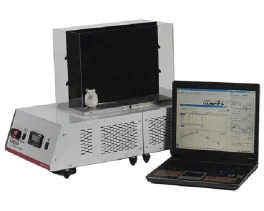

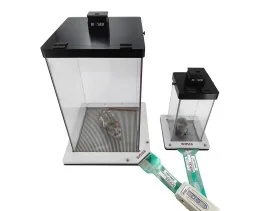

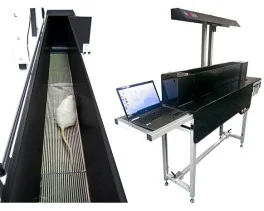
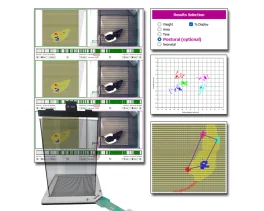


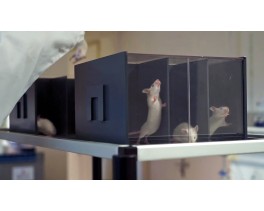



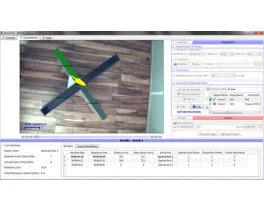
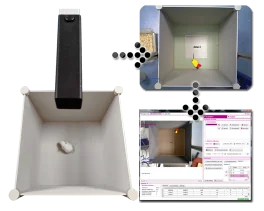


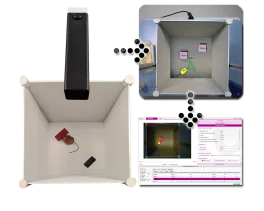
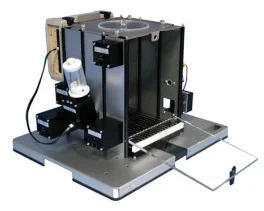
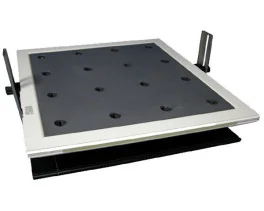
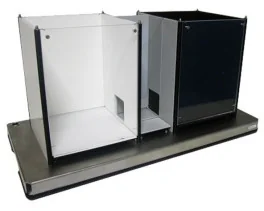

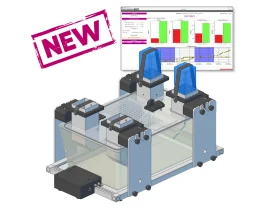
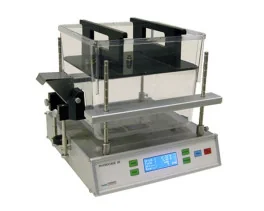
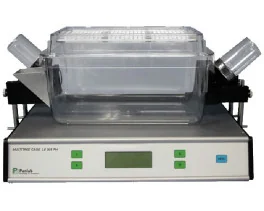
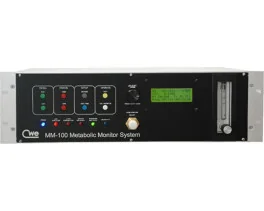

 Douleur
 Système Nerveux Central (SNC)
  Neurodégénérescence
 Système sensoriel
 Système moteur
 Troubles de l'humeur
 Autres pathologies
 Système musculaire
 Articulations
 Métabolisme
 Thématiques transversales
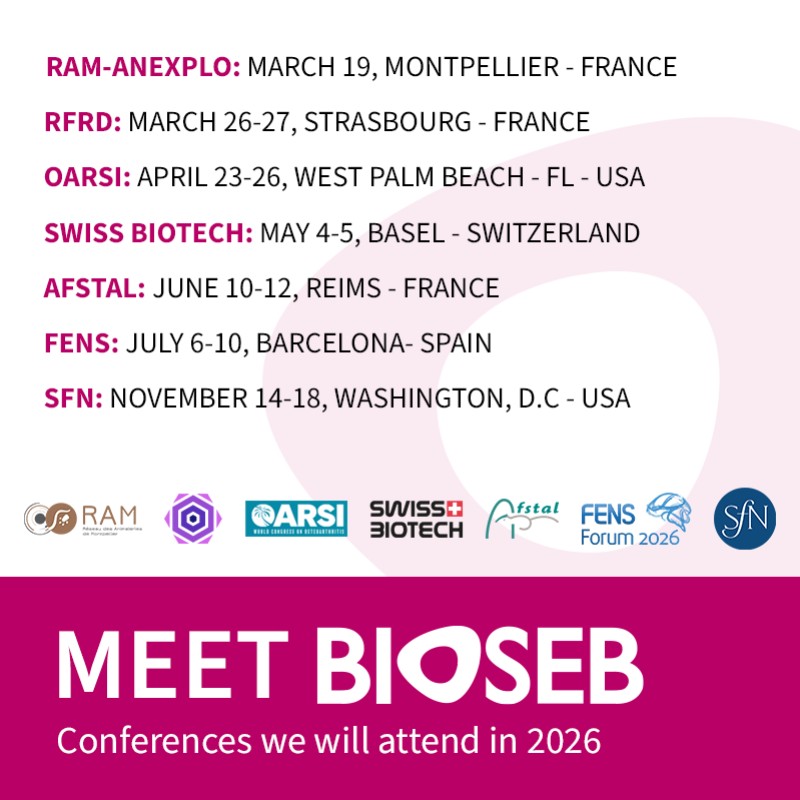 Congrès & Meetings 2026
 Authors
Krishna Damodar, Gregor Dubois, Laurent Guillou, Daria Mamaeva, Marie Pequignot, Nejla Erkilic, Carla Sanjurjo-Soriano, Hassan Boukhaddaoui, Florence Bernex, Béatrice Bocquet, Jérôme Vialaret, Yvan Arsenijevic, T. Michael Redmond, Christopher Hirtz, Isabelle Meunier, Philippe Brabet, Vasiliki Kalatzis
Lab
Journal
Molecular Therapy
Abstract
Inherited retinal diseases (IRDs) are characterized by progressive vision loss. There are over 270 causative IRD genes, and variants within the same gene can cause clinically distinct disorders. One example is RLBP1, which encodes CRALBP. CRALBP is an essential protein in the rod and cone visual cycles that take place primarily in the retinal pigment epithelium (RPE) but also in Müller cells of the neuroretina. RLBP1 variants lead to three clinical subtypes: Bothnia dystrophy, retinitis punctata albescens, and Newfoundland rod-cone dystrophy. We modeled RLBP1-IRD subtypes using patient-specific induced pluripotent stem cell (iPSC)-derived RPE and identified pathophysiological markers that served as pertinent therapeutic read-outs. We developed an AAV2/5-mediated gene-supplementation strategy and performed a proof-of-concept study in the human models, which was validated invivo in an Rlbp1to/to murine model. Most importantly, we identified a previously unsuspected smaller CRALBP isoform that is naturally and differentially expressed both in the human and murine retina. This previously unidentified isoform is produced from an alternative methionine initiation site. This work provides further insights into CRALBP expression and RLBP1-associated pathophysiology and raises important considerations for successful gene-supplementation therapy.
Keywords/Topics
iPSC - derived; RPE iPSC - derived retinal organoids ;AAV; RLBP1; CRALBP; RPE; inherited retinal diseases ;visual cycle ;protein isoforms
Source :
https://www.cell.com/molecular-therapy-family/molecular-therapy/fulltext/S1525-0016(24)00664-6