 Activité, Système Moteur & Coordination
 Douleur - Allodynie/Hyperalgésie Thermique
 Douleur - Spontanée - Déficit de Posture
 Douleur - Allodynie/Hyperalgésie Mécanique
 Anxiété & Dépression
 Apprentissage/Mémoire - Attention - Addiction
 Physiologie & Recherche Respiratoire
 Métabolisme & Nutrition





















 Douleur
 Système Nerveux Central (SNC)
  Neurodégénérescence
 Système sensoriel
 Système moteur
 Troubles de l'humeur
 Autres pathologies
 Système musculaire
 Articulations
 Métabolisme
 Thématiques transversales
 Congrès & Meetings 2026
 Authors
Pei Yu Loe, Yusuke Ohsaki, Suh-Ching Yang, Hitoshi Shirakawa, Wan-Chun Chiu
Lab
Journal
Nutrients
Abstract
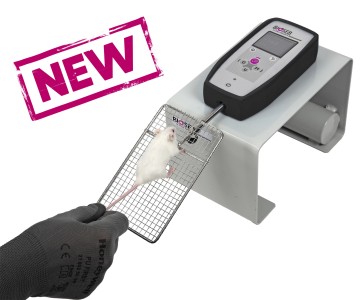
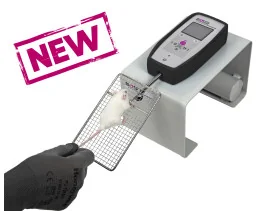
Skeletal muscle is highly responsive to insulin, facilitating glucose uptake from the bloodstream via GLUT4 transporters, and storing it as glycogen, so playing a crucial role in maintaining glucose homeostasis [37]. Insulin signaling in skeletal muscle is also crucial for regulating the balance between protein synthesis and degradation to preserve muscle mass. FFRB intervention attenuated the decline in muscle-related outcomes, particularly in the OHR20 group. Regarding the different responses observed between the forelimb and four-limb grip strength tests, these two assays involve different limb engagement and load-bearing characteristics. The forelimb test primarily reflects upper limb performance, whereas the four-limb test engages both forelimbs and hindlimbs and is more influenced by body weight support and postural stability. Since the muscle analyzed in this study (GAS) is located in the hindlimb, the four-limb grip strength test is more directly related to the functional status of the target muscle group. Studies have shown that forelimb, hindlimb, and combined all-limb grip strength measurements are not interchangeable and may differ in their sensitivity to functional changes [38,39]. Accordingly, the differing trends observed between forelimb and four-limb grip strength in our study may reflect the different limb involvement and load-bearing characteristics of these two assays. Our findings also revealed a dose-dependent upregulation of insulin sensitivity and protein synthesis genes (IRS-1, mTOR, and eIF-4EBP1), and downregulation of muscle atrophy markers (FOXO1, MuRF-1) and the inflammatory cytokine IL-6 with increasing FFRB dosage. Previous reports showed that HFD decreased IRS-1, mTOR, p4EBP1, and S6K expressions in rodents [40,41], reduced MyoG expression in aged obese female mice [42], and increased muscle atrophy markers (atrogin-1, MuRF-1) while enhancing proinflammatory responses [26,43,44]. Such changes promote protein degradation and contribute to muscle loss. Previously published data demonstrated that semi-defatted rice bran and whole grain cereals mitigate muscle atrophy in HFD-fed mice by enhancing muscle protein synthesis and reducing proteolytic activity [26,45]. In line with these studies, our findings showed that 20% FFRB was associated with higher myogenesis gene MyoG and markers related to the mTOR/eIF-4EBP1 pathway, while lower IL-6, FOXO1, and MuRF-1. Therefore, the current study suggests that FFRB may be associated with a muscle-related profile consistent with reduced inflammation, lower FOXO1-related proteolysis, and improved muscle proteostasis in HFD-fed OVX mice.
Keywords/Topics
high-fat diet-fed ovariectomized mice; four-limb grip strength tests; rodents; aged obese female mice; hfd-fed mice; proteolytic activity; potential involvement; insulin; glut4 transporters; glycogen
Source :