 Activité, Système Moteur & Coordination
 Douleur - Allodynie/Hyperalgésie Thermique
 Douleur - Spontanée - Déficit de Posture
 Douleur - Allodynie/Hyperalgésie Mécanique
 Anxiété & Dépression
 Apprentissage/Mémoire - Attention - Addiction
 Physiologie & Recherche Respiratoire
 Métabolisme & Nutrition
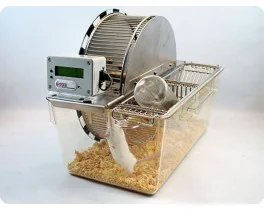
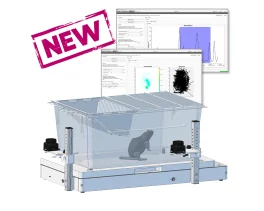
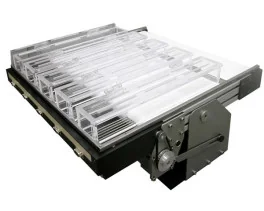
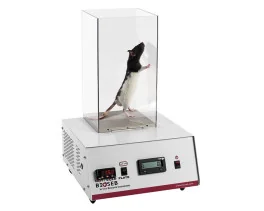






 Douleur
 Système Nerveux Central (SNC)
 Neurodégénérescence
 Système sensoriel
 Système moteur
 Troubles de l'humeur
 Autres pathologies
 Système musculaire
 Articulations
 Métabolisme
 Thématiques transversales
 Congrès & Meetings 2026
Authors
Se-Eun Bae, Miyong Yun, Min Ju Kang, Sang Woo Woo, Do Won Kim, Eun-Ok Kim, Hyeon Soo Kim
Lab
Journal
Mediators of Inflammation
Abstract
Furthermore, while our in vitro results provide a mechanistic basis for cross talk, they may not fully capture the complex systemic environment of CC. Future studies involving the depletion of specific macrophage subsets in tumor-bearing mice will be essential to validate these findings in vivo. This study has several limitations. First, we utilized CD11c and CD206 as primary markers to define M1- and M2-like macrophage populations, respectively. Although these are widely accepted markers for assessing the predominant inflammatory shift in various muscle-wasting models [50], acknowledging that in vivo macrophage phenotypes exist as a continuous spectrum of activation rather than a strict binary classification is important. Skeletal muscle macrophages in the cachectic niche are highly plastic and may exhibit hybrid functional states that are not fully captured by single-marker profiling. Future studies employing a broader panel of markers (e.g., iNOS or CD80 for M1 and Arg1 or CD163 for M2) are required to fully elucidate the complex landscape of these infiltrating immune cells. Additionally, while we focused on mRNA expression as a surrogate for the inflammatory state, we recognize that transcriptional changes do not always directly correlate with protein secretion levels. Although sample constraints precluded extensive cytokine protein quantification via ELISA, our flow cytometry data confirm a significant increase in the infiltration of pro-inflammatory myeloid cells, which are known to be the major producers of these cytokines. Future investigations incorporating secretome analysis via multiplex assays will be essential to precisely define the cytokine flux within the cachectic muscle niche. Furthermore, CD206 is also expressed by certain tissue-resident macrophage subsets, which complicates the distinction between resident and alternatively activated (M2) macrophages [51]. Although young mice (5–8 weeks old) were used to minimize biological variability, age-dependent differences in immune responses warrant further investigation [52,53]. Cachexia severity is also influenced by strain-dependent factors, tumor burden, and the timing of endpoint analyses. In this study, the tumor mass was included in total body weight measurements, in line with established practices [54]; however, this approach should be interpreted with caution when assessing cachexia progression.
Keywords/Topics
tumor-bearing mice; various muscle-wasting models; multiplex assays; young mice; m1 polarization; inflammatory cytokine production; our in vitro results; cross talk; they; future studies
Source :