 Activité, Système Moteur & Coordination
 Douleur - Allodynie/Hyperalgésie Thermique
 Douleur - Spontanée - Déficit de Posture
 Douleur - Allodynie/Hyperalgésie Mécanique
 Anxiété & Dépression
 Apprentissage/Mémoire - Attention - Addiction
 Physiologie & Recherche Respiratoire
 Métabolisme & Nutrition




 Douleur
 Système Nerveux Central (SNC)
  Neurodégénérescence
 Système sensoriel
 Système moteur
 Troubles de l'humeur
 Autres pathologies
 Système musculaire
 Articulations
 Métabolisme
 Thématiques transversales
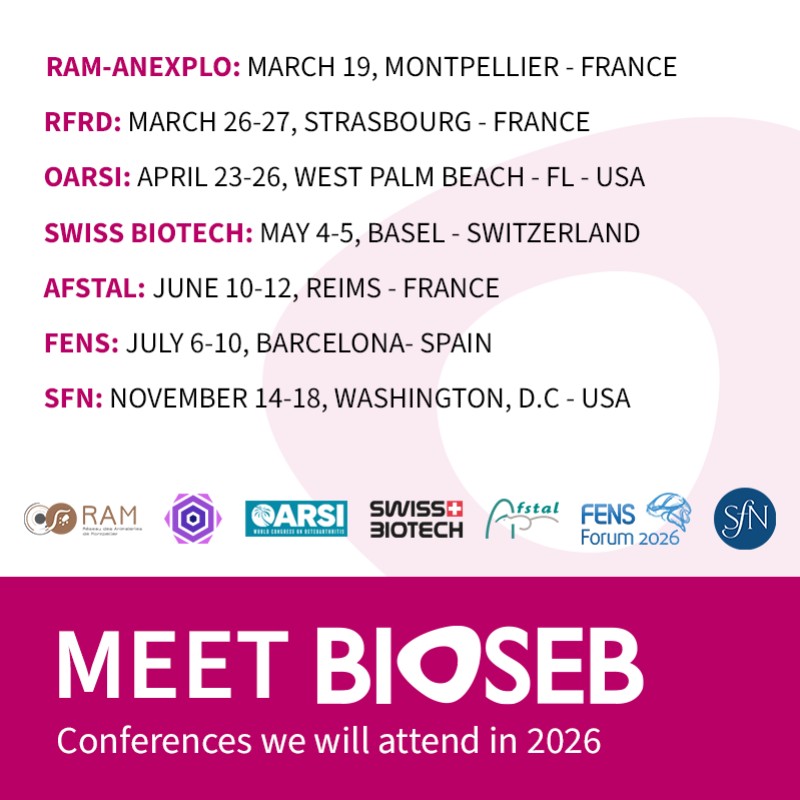 Congrès & Meetings 2026
 Authors
Zhang, Weixin, Otte, Arryn D., Wang, Zhuolun, Barik, Sisir Kumar, Wan, Mei, Cao, Xu, Crane, Janet L.
Lab
Journal
Bone Research
Abstract
During aging, the spine undergoes degenerative changes, particularly with vertebral endplate bone expansion and sclerosis, that are associated with nonspecific low back pain. We report that parathyroid hormone (PTH) treatment reduced vertebral endplate sclerosis and improved pain behaviors in three mouse models of spinal degeneration (aged, SM/J, and young lumbar spine instability mice). Aberrant innervation in the vertebral body and endplate during spinal degeneration was decreased with PTH treatment as quantified by PGP9.5+ and CGRP+ nerve fibers, as well as CGRP expression in dorsal root ganglia. The neuronal repulsion factor Slit3 significantly increased in response to PTH treatment mediated by transcriptional factor FoxA2. PTH type 1 receptor and Slit3 deletion in osteocalcin-expressing cells prevented PTH-reduction of endplate porosity and improvement in behavior tests. Altogether, PTH stimulated osteoblast production of Slit3, decreased aberrant sensory nerve innervation, and provided symptomatic relief of LBP associated with mouse spinal degeneration.
Keywords/Topics
Bone; Endocrine system and metabolic diseases
BIOSEB Instruments Used:
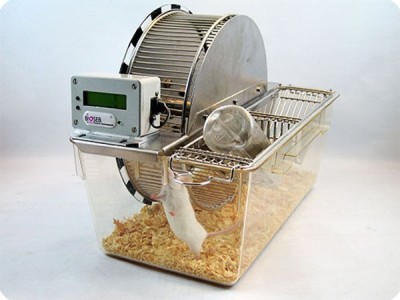
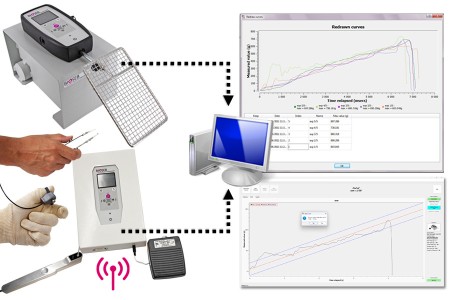
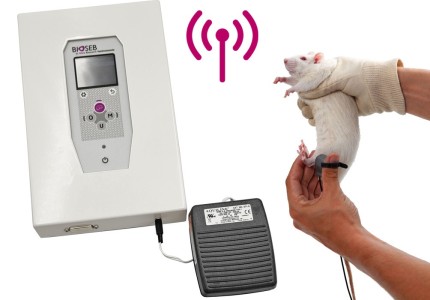
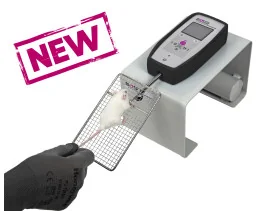
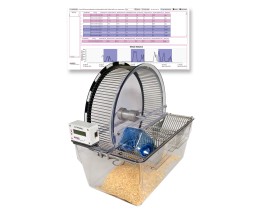
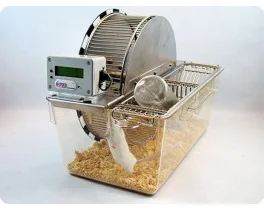
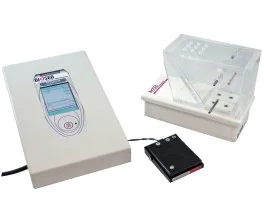
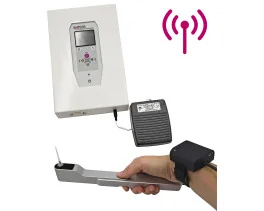
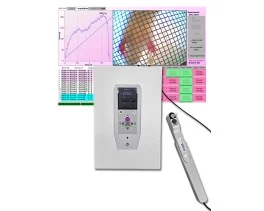
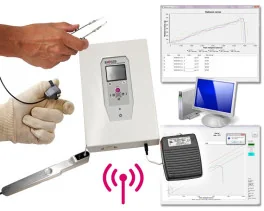
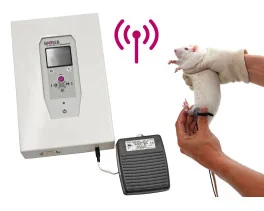
Basic spontaneous activity wheels (BIO-ACTIVW-M),Bioseb CIS Software (BIO-CIS2),SMALGO: SMall animal ALGOmeter - Wireless (BIO-SMALGO-WRS)
Source :