
 Activité, Système Moteur & Coordination
 Douleur - Allodynie/Hyperalgésie Thermique
 Douleur - Spontanée - Déficit de Posture
 Douleur - Allodynie/Hyperalgésie Mécanique
 Anxiété & Dépression
 Apprentissage/Mémoire - Attention - Addiction
 Physiologie & Recherche Respiratoire
 Métabolisme & Nutrition
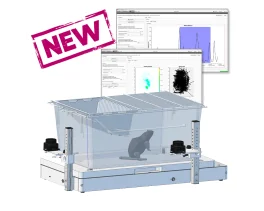

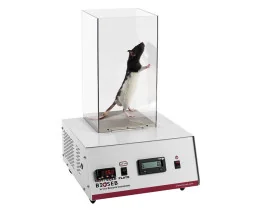
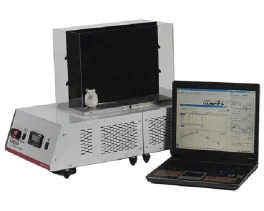

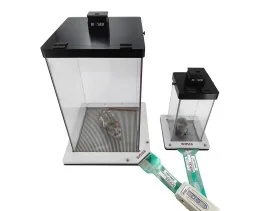

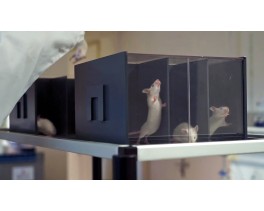
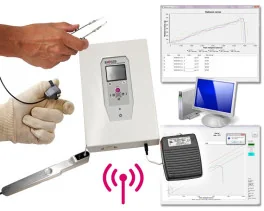
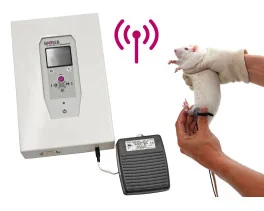
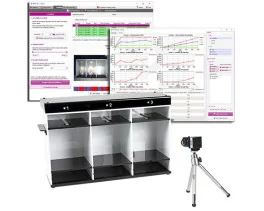


 Douleur
 Système Nerveux Central (SNC)
  Neurodégénérescence
 Système sensoriel
 Système moteur
 Troubles de l'humeur
 Autres pathologies
 Système musculaire
 Articulations
 Métabolisme
 Thématiques transversales
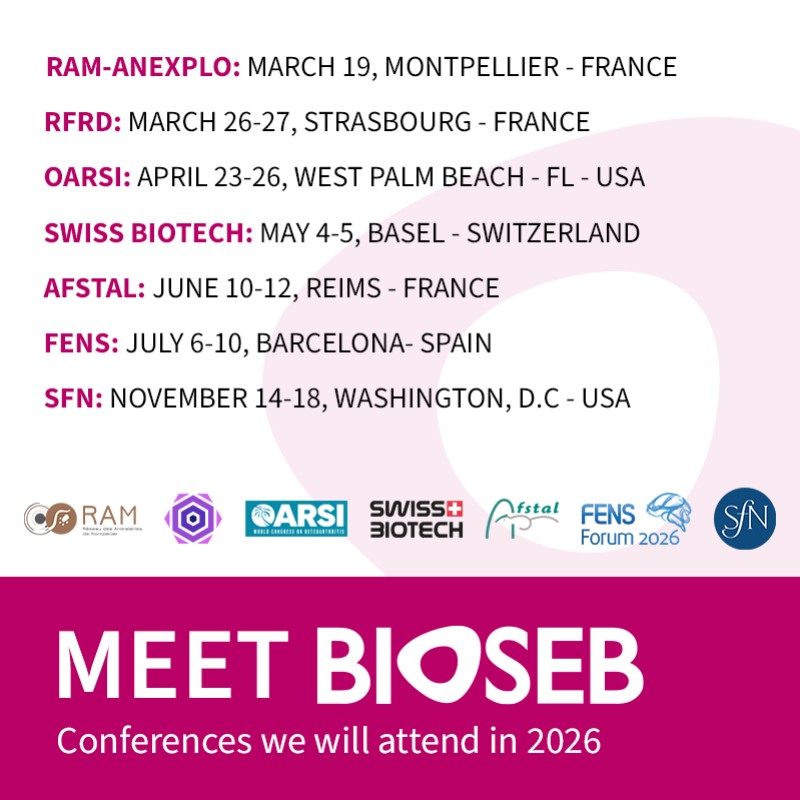 Congrès & Meetings 2026
 Authors
Bryan Chee-chad Lung, Alvin Ka-kiu Leung, Carissa Wing-Yan Wong, Ian Yu-hong Wong, Cheryl Chee Heng Lung, Anthony Wing-ip Lo, Josephine Mun-Yee Ko, Wei Dai, Dora Lai-wan Kwong, Simon Law, Maria Li Lung, Valen Zhuoyou Yu
Lab
Journal
iScience
Abstract
Summary
Esophageal squamous cell carcinoma (ESCC) is highly associated with cancer cachexia, a wasting syndrome lacking effective treatments. Existing animal models fail to capture key clinical and biological features of this condition. Here, we established a panel of patient-derived organoid xenograft (PDOX) models that authentically replicate the heterogeneity of ESCC-associated cachexia in immunodeficient mice. PDOX lines exhibited slow tumor growth compared with traditional ESCC xenografts. Heterogeneous cachexia phenotypes in PDOX-bearing mice, as compared with non-tumor-bearing mice, including body weight loss, reduction in adipose tissue, reduced grip strength, and elevated pro-inflammatory cytokines, were observed. Using this platform, we tested two macrophage-targeting interventions: 10 mg/kg/day rosiglitazone, a PPAR-γ agonist, and 40 mg/kg/day pexidartinib (PLX3397), a CSF1R inhibitor. Both drugs significantly attenuated cachexia-associated functional decline and systemic inflammation. Transcriptomic analyses confirmed suppression of pro-cachectic cytokine signaling. This study presents a clinically relevant platform for preclinical cachexia research and supports macrophage modulation as a potential anti-cachexia strategy.
Keywords/Topics
health sciences
BIOSEB Instruments Used:
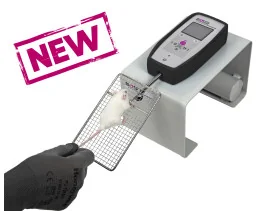
Grip strength test (BIO-GS4)
Source :
https://www.cell.com/iscience/fulltext/S2589-0042(26)00013-1
