 Activité, Système Moteur & Coordination
 Douleur - Allodynie/Hyperalgésie Thermique
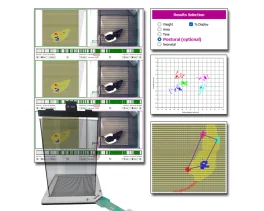
 Douleur - Spontanée - Déficit de Posture
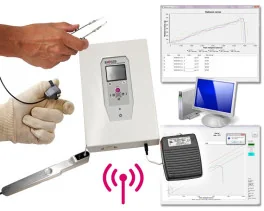
 Douleur - Allodynie/Hyperalgésie Mécanique
 Anxiété & Dépression
 Apprentissage/Mémoire - Attention - Addiction
 Physiologie & Recherche Respiratoire
 Métabolisme & Nutrition






 Douleur
 Système Nerveux Central (SNC)
  Neurodégénérescence
 Système sensoriel
 Système moteur
 Troubles de l'humeur
 Autres pathologies
 Système musculaire
 Articulations
 Métabolisme
 Thématiques transversales
 Congrès & Meetings 2026
 Authors
Milioto, Carmelo, Carcol©, Mireia, Giblin, Ashling, Coneys, Rachel, Attrebi, Olivia, Ahmed, Mhoriam, Harris, Samuel S., Lee, Byung Il, Yang, Mengke, Ellingford, Robert A., Nirujogi, Raja S., Biggs, Daniel, Salomonsson, Sally, Zanovello, Matteo, de Oliveira, Paula, Katona, Eszter, Glaria, Idoia, Mikheenko, Alla, Geary, Bethany, Udine, Evan, Vaizoglu, Deniz, Anoar, Sharifah, Jotangiya, Khrisha, Crowley, Gerard, Smeeth, Demelza M., Adams, Mirjam L., Niccoli, Teresa, Rademakers, Rosa, van Blitterswijk, Marka, Devoy, Anny, Hong, Soyon, Partridge, Linda, Coyne, Alyssa N., Fratta, Pietro, Alessi, Dario R., Davies, Ben, Busche, Marc Aurel, Greensmith, Linda, Fisher, Elizabeth M. C., Isaacs, Adrian M.
Lab
Journal
Nature Neuroscience
Abstract
Dipeptide repeat proteins are a major pathogenic feature of C9orf72 amyotrophic lateral sclerosis (C9ALS)/frontotemporal dementia (FTD) pathology, but their physiological impact has yet to be fully determined. Here we generated C9orf72 dipeptide repeat knock-in mouse models characterized by expression of 400 codon-optimized polyGR or polyPR repeats, and heterozygous C9orf72 reduction. (GR)400 and (PR)400 knock-in mice recapitulate key features of C9ALS/FTD, including cortical neuronal hyperexcitability, age-dependent spinal motor neuron loss and progressive motor dysfunction. Quantitative proteomics revealed an increase in extracellular matrix (ECM) proteins in (GR)400 and (PR)400 spinal cord, with the collagen COL6A1 the most increased protein. TGF-Beta1 was one of the top predicted regulators of this ECM signature and polyGR expression in human induced pluripotent stem cell neurons was sufficient to induce TGF-Beta1 followed by COL6A1. Knockdown of TGF-Beta1 or COL6A1 orthologues in polyGR model Drosophila exacerbated neurodegeneration, while expression of TGF-Beta1 or COL6A1 in induced pluripotent stem cell-derived motor neurons of patients with C9ALS/FTD protected against glutamate-induced cell death. Altogether, our findings reveal a neuroprotective and conserved ECM signature in C9ALS/FTD. C9orf72 ALS/FTD polyGR and polyPR knock-in mice show cortical hyperexcitability and motor neuron loss accompanied by an increase in extracellular matrix proteins in the spinal cord that is conserved in patient iPS cell-derived neurons and is neuroprotective.
Keywords/Topics
polygr;polypr;knock-in;reveal;conserved;neuroprotective;extracellular;matrix;signature;neurons
BIOSEB Instruments Used:
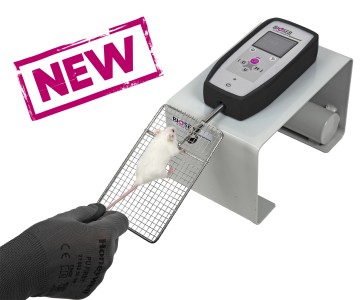
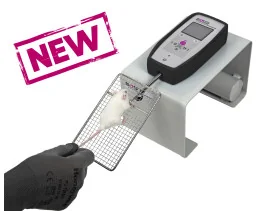
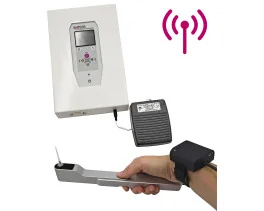
Grip strength test (BIO-GS4)
Source :