 Activité, Système Moteur & Coordination
 Douleur - Allodynie/Hyperalgésie Thermique
 Douleur - Spontanée - Déficit de Posture
 Douleur - Allodynie/Hyperalgésie Mécanique
 Anxiété & Dépression
 Apprentissage/Mémoire - Attention - Addiction
 Physiologie & Recherche Respiratoire
 Métabolisme & Nutrition




 Douleur
 Système Nerveux Central (SNC)
  Neurodégénérescence
 Système sensoriel
 Système moteur
 Troubles de l'humeur
 Autres pathologies
 Système musculaire
 Articulations
 Métabolisme
 Thématiques transversales
 Congrès & Meetings 2026
 Authors
Melissa Henwood, Junkui Shang, Qiang Li, John Moth, John Henwood, Yang Yi, Dustin Green, Ajay Pal, Joseph Sandoval, Wei Li, Tiffany Dunn, Alfredo Sandoval, Jiewen Zhang, Subo Yuan, Bo Chen
Lab
Journal
Journal of Neuroscience
Abstract
Spinal cord injury (SCI) often results in permanent sensory deficits, significantly impairing quality of life. These deficits are poorly addressed due to a lack of valid animal models with translational relevance. Here, we utilized a thoracic level 8 lateral hemisection SCI mouse model (including both male and female mice) and applied a battery of behavioral assays requiring supraspinal transmission of sensory information, while also assessing ascending spinal circuits from the lumbar spinal cord to the brain. By 28 days post-SCI, sensory assessments revealed distinct deficits: reduced innocuous sensation in the ipsilateral hindpaw and enhanced sensation in the contralateral hindpaw. Both hindlimbs exhibited disrupted nocifensive behaviors, with chronic neuropathic dysesthesia observed only in the contralateral hindlimb. We provided anatomical evidence to elucidate the neural substrates responsible for these sensory discrepancies. This SCI mouse model mimics key features of human lateral hemisection conditions (Brown-Séquard Syndrome) and offers a robust platform to explore underlying mechanisms and develop new therapeutic strategies.
Significance statement We present and validate a T8 lateral hemisection model that reproduces the hallmark sensory syndromes of Brown-Séquard syndrome (BSS). Systematic behavioral testingâ€â€spanning light-touch, nocifensive, and dysesthesia assaysâ€â€combined with viral tracing of ascending pathways demonstrates that this single, reproducible lesion recreates the asymmetric sensory loss and chronic contralateral dysesthesia typical of BSS. By tightly matching clinical observations to pre-clinical read-outs, the model offers a powerful platform for dissecting the mechanisms of SCI-induced sensory deficits and for evaluating targeted therapies.
Keywords/Topics
ascending projections; Brown–Séquard syndrome; sensory deficits; spinal cord injury
BIOSEB Instruments Used:
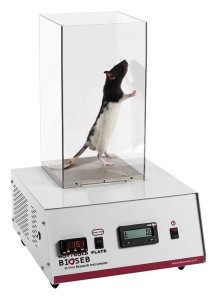
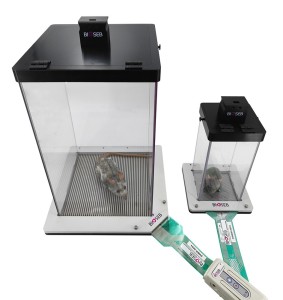
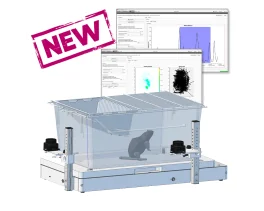
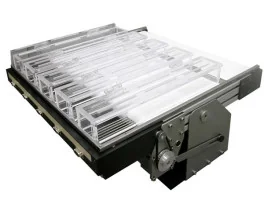
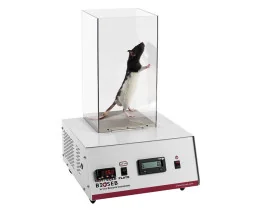
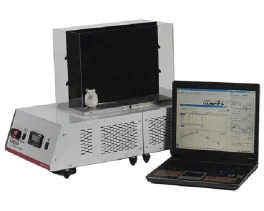
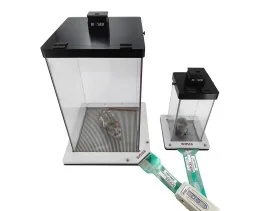
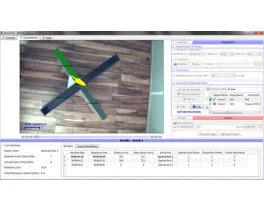
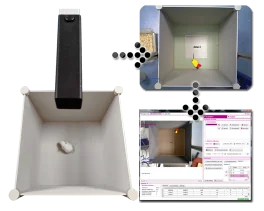
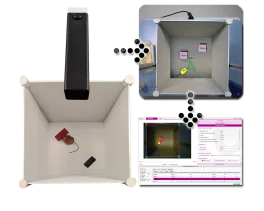
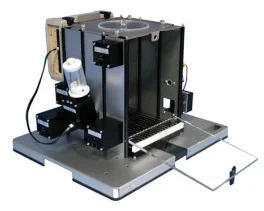
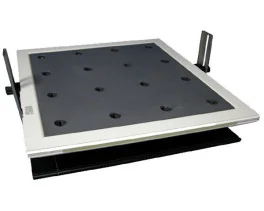
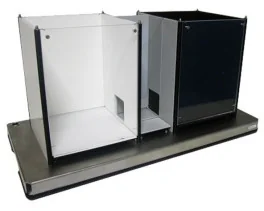
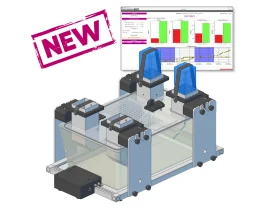
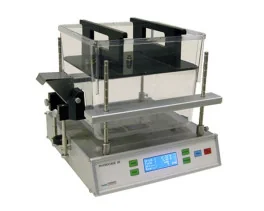
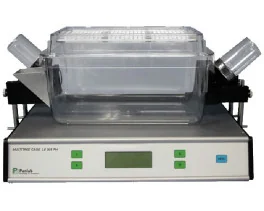
Cold Hot Plate Test (BIO-CHP),Dynamic Weight Bearing 2.0 (BIO-DWB-DUAL)
Source :
https://www.jneurosci.org/content/early/2025/09/15/JNEUROSCI.2373-24.2025.abstract