 Activité, Système Moteur & Coordination
 Douleur - Allodynie/Hyperalgésie Thermique
 Douleur - Spontanée - Déficit de Posture
 Douleur - Allodynie/Hyperalgésie Mécanique
 Anxiété & Dépression
 Apprentissage/Mémoire - Attention - Addiction
 Physiologie & Recherche Respiratoire
 Métabolisme & Nutrition
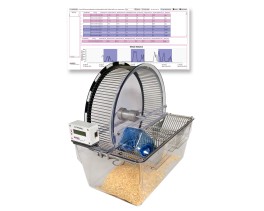
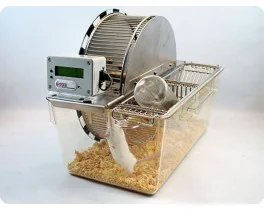
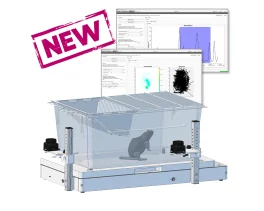
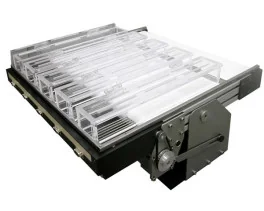

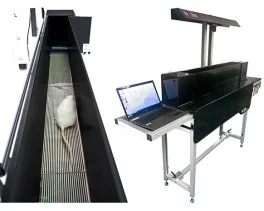
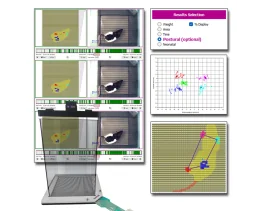
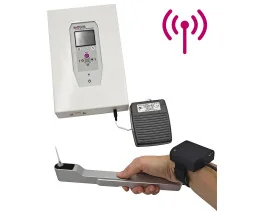
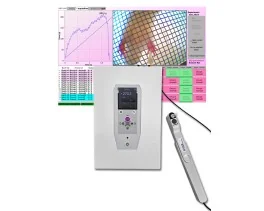


 Douleur
 Système Nerveux Central (SNC)
 Neurodégénérescence
 Système sensoriel
 Système moteur
 Troubles de l'humeur
 Autres pathologies
 Système musculaire
 Articulations
 Métabolisme
 Thématiques transversales
 Congrès & Meetings 2026
Authors
Logan F. Condon, Ying Yu, Sekun Park, Feng Cao, Jordan L. Pauli, Tyler S. Nelson, Richard D. Palmiter
Lab
Journal
Cell Reports
Abstract
Summary
Pain that persists beyond the time required for tissue healing and pain that arises in the absence of tissue injury, collectively referred to as nociplastic pain, are poorly understood phenomena mediated by plasticity within the central nervous system. The parabrachial nucleus (PBN) is a hub that relays aversive sensory information and appears to play a role in nociplasticity. Here, by preventing PBN Calca neurons from releasing neurotransmitters, we demonstrate that activation of Calca neurons is necessary for the manifestation and maintenance of chronic pain. Additionally, by directly stimulating Calca neurons, we demonstrate that Calca neuron activity is sufficient to drive nociplasticity. Aversive stimuli of multiple sensory modalities, such as exposure to nitroglycerin, cisplatin, or lithium chloride, can drive nociplasticity in a Calca-neuron-dependent manner. Aversive events drive nociplasticity in Calca neurons in the form of increased activity and excitability; however, neuroplasticity also appears to occur in downstream circuitry.
Keywords/Topics
allodynia; Calca calcitonin gene - related peptide ( CGRP ) ;calcium imaging; cisplatin ;mechanical sensitivity
BIOSEB Instruments Used:
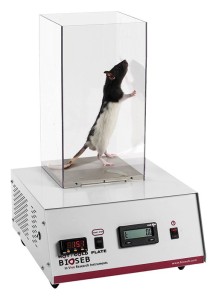
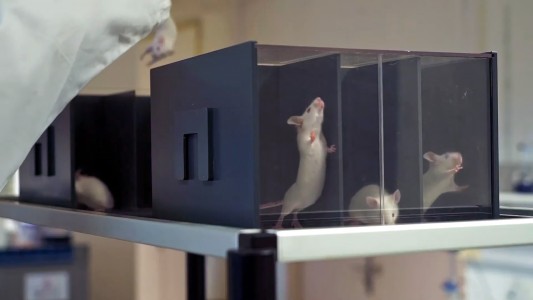
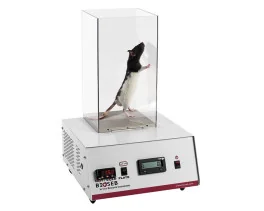
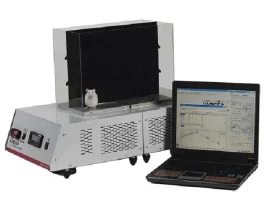
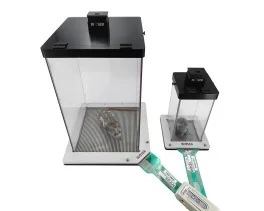
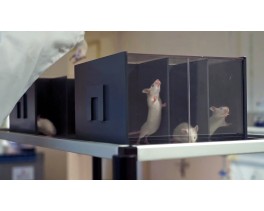
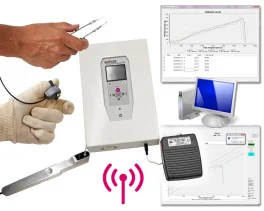
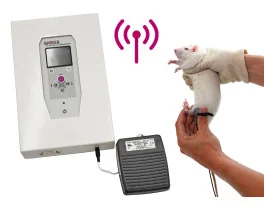
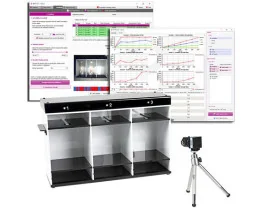
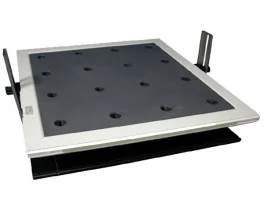
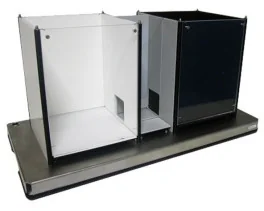
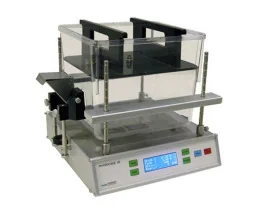
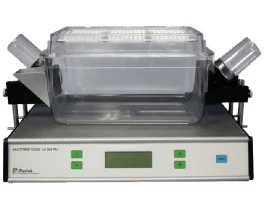
Cold Hot Plate Test (BIO-CHP),Modular holder cages for rats and mice (BIO-PVF)
Source :
https://www.cell.com/cell-reports/fulltext/S2211-1247(24)00385-1