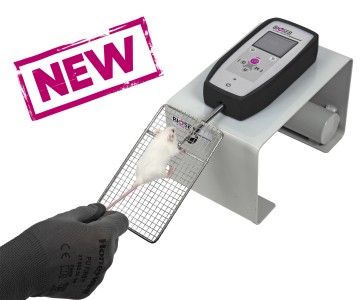
 Activité, Système Moteur & Coordination
 Douleur - Allodynie/Hyperalgésie Thermique
 Douleur - Spontanée - Déficit de Posture
 Douleur - Allodynie/Hyperalgésie Mécanique
 Anxiété & Dépression
 Apprentissage/Mémoire - Attention - Addiction
 Physiologie & Recherche Respiratoire
 Métabolisme & Nutrition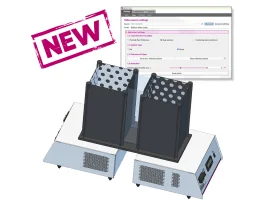
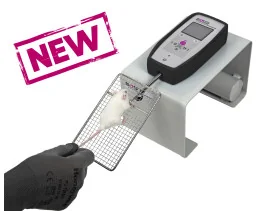
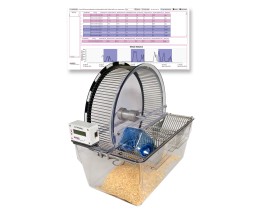

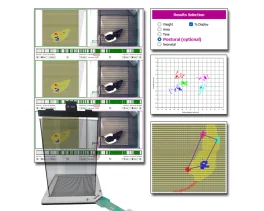
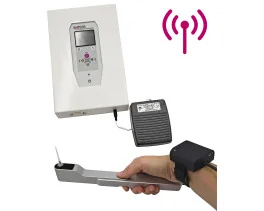
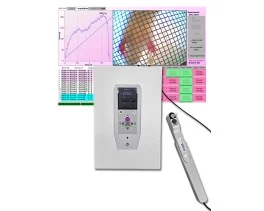
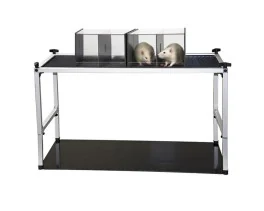
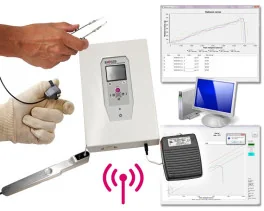
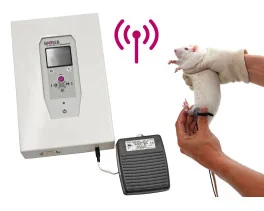
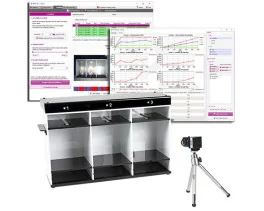
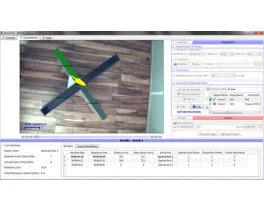
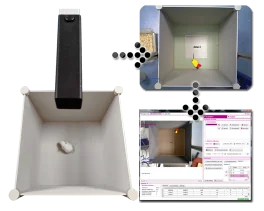


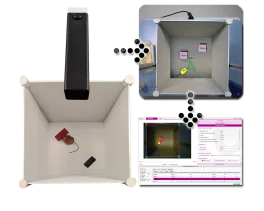
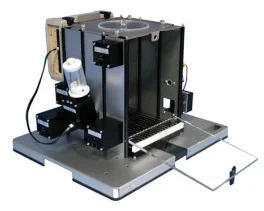
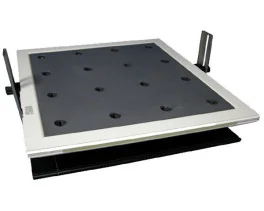
 Douleur
 Système Nerveux Central (SNC)
  Neurodégénérescence
 Système sensoriel
 Système moteur
 Troubles de l'humeur
 Autres pathologies
 Système musculaire
 Articulations
 Métabolisme
 Thématiques transversales
 Congrès & Meetings 2026
 Authors
Funes, Salome, Jung, Jonathan, Gadd, Del Hayden, Mosqueda, Michelle, Zhong, Jianjun, Shankaracharya, Unger, Matthew, Stallworth, Karly, Cameron, Debra, Rotunno, Melissa S., Dawes, Pepper, Fowler-Magaw, Megan, Keagle, Pamela J., McDonough, Justin A., Boopathy, Sivakumar, Sena-Esteves, Miguel, Nickerson, Jeffrey A., Lutz, Cathleen, Skarnes, William C., Lim, Elaine T., Schafer, Dorothy P., Massi, Francesca, Landers, John E., Bosco, Daryl A.
Lab
Journal
Nature Communications
Abstract
Microglia play a pivotal role in neurodegenerative disease pathogenesis, but the mechanisms underlying microglia dysfunction and toxicity remain to be elucidated. To investigate the effect of neurodegenerative disease-linked genes on the intrinsic properties of microglia, we studied microglia-like cells derived from human induced pluripotent stem cells (iPSCs), termed iMGs, harboring mutations in profilin-1 (PFN1) that are causative for amyotrophic lateral sclerosis (ALS). ALS-PFN1 iMGs exhibited evidence of lipid dysmetabolism, autophagy dysregulation and deficient phagocytosis, a canonical microglia function. Mutant PFN1 also displayed enhanced binding affinity for PI3P, a critical signaling molecule involved in autophagic and endocytic processing. Our cumulative data implicate a gain-of-toxic function for mutant PFN1 within the autophagic and endo-lysosomal pathways, as administration of rapamycin rescued phagocytic dysfunction in ALS-PFN1 iMGs. These outcomes demonstrate the utility of iMGs for neurodegenerative disease research and implicate microglial vesicular degradation pathways in the pathogenesis of these disorders. Mutations in profilin 1 (PFN1), which modulates actin dynamics, are associated with ALS. Here the authors show that expression of ALS-PFN1 is sufficient to induce deficits in human microglia-like cells, including impaired phagocytosis and lipid metabolism, and that gain-of-function interactions between ALS-PFN1 and PI3P may underlie these deficits.
Keywords/Topics
expression;impairs;vesicular;degradation;ipsc-derived;microglia;pivotal;neurodegenerative;disease;pathogenesis
BIOSEB Instruments Used:
Grip strength test (BIO-GS4)
Source :