 Activité, Système Moteur & Coordination
 Douleur - Allodynie/Hyperalgésie Thermique
 Douleur - Spontanée - Déficit de Posture
 Douleur - Allodynie/Hyperalgésie Mécanique
 Anxiété & Dépression
 Apprentissage/Mémoire - Attention - Addiction
 Physiologie & Recherche Respiratoire
 Métabolisme & Nutrition






 Douleur
 Système Nerveux Central (SNC)
 Neurodégénérescence
 Système sensoriel
 Système moteur
 Troubles de l'humeur
 Autres pathologies
 Système musculaire
 Articulations
 Métabolisme
 Thématiques transversales
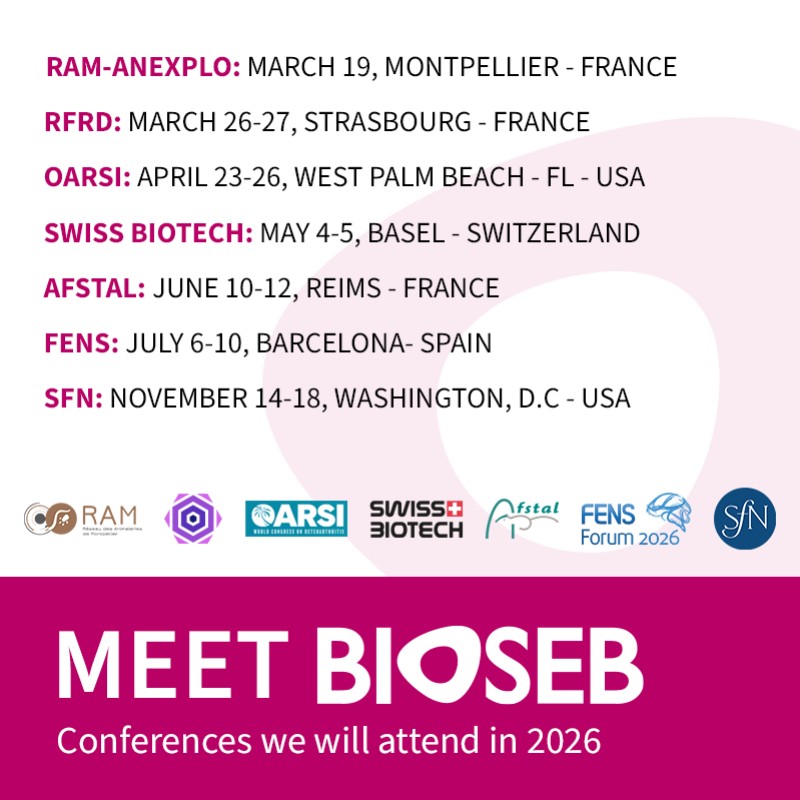 Congrès & Meetings 2026
Authors
Ke Song, Hongrui Zhang, Haoqi Liu, Yuanyuan Li, Yikun Sun, Xinglu Dong, Chenxi Tao, Yannan He, Zhenhong Liu, Yonghong Gao, Ying Gao
Lab
Edited by: Yunyao Jiang; Tsinghua University; China; Reviewed by: Sadaf Jahan; Majmaah University; Saudi Arabia; Soad Zakaria; October 6 University; Egypt
Journal
Frontiers in Pharmacology
Abstract
Globally, IS causes significant morbidity and is a leading cause of death (Lian et al., 2025;Ding et al., 2022). The pathophysiology of IS involves complex events, including oxidative stress, inflammation, autophagy, ferroptosis, and apoptosis (Cai et al., 2025;Liu Y. et al., 2025;Liu L. et al., 2025;Zhao H. et al., 2025). Emerging evidence demonstrates that lncRNAs, including ANRIL, MALAT1, and H19, play regulatory functions in these processes during IS (Ding et al., 2025;He P. et al., 2025;Pan et al., 2024). lncRNAs, characterized as transcripts lacking protein-coding potential, actively participate in essential biological processes through transcriptional regulation and post-transcriptional modulation of gene expression (Degirmenci et al., 2019). Numerous studies have demonstrated the therapeutic efficacy of NST in IS, including anti-inflammatory and anti-apoptosis effects, and reduction of cerebral infarction area (Zhang et al., 2019;Luo et al., 2020;Li et al., 2021). It is noteworthy that while prior studies, including work by our team (Xu T. et al., 2025) and others (Luo et al., 2020), have explored a range of doses (e.g., 0.468, 0.936, and up to 1.872 g/kg in Luo et al.), the present study focused specifically on the clinically equivalent dose of 0.468 g/kg. This dose was selected based on body surface area conversion and its established efficacy in ameliorating core pathological features of IS in models. We note that the administration of significantly higher doses (e.g., 1 g/kg/day and above, as occasionally reported in exploratory pharmacological literature) may increase the risk of non-specific effects or artifacts, and such doses require rigorous justification. This study reinforces the evidence for the protective effect of NST treatment in ameliorating IS in mice subjected to cerebral ischemia-reperfusion (MCAO). Our findings validated the successful MCAO model: mice exhibited significant neurological deficits, decreased CBF perfusion, and damage to the cerebral cortex and neurons. We conclusively proved that NST effectively ameliorates brain ischemia/reperfusion injury. However, the exact molecular mechanisms underlying NST’s beneficial effects in IS remain unknown. Therefore, to examine these mechanisms, we conducted microarray analysis to identify differentially expressed genes in the cerebral cortex of MCAO mice following NST treatment.
Keywords/Topics
models; exploratory pharmacological literature; mice; mcao mice; transcriptomics; naoshuantong capsule; synaptic dysfunction; cerebral ischemia reperfusion injury; significant morbidity; death
BIOSEB Instruments Used:
Grip strength test (BIO-GS4)
Source :