 Activité, Système Moteur & Coordination
 Douleur - Allodynie/Hyperalgésie Thermique
 Douleur - Spontanée - Déficit de Posture
 Douleur - Allodynie/Hyperalgésie Mécanique
 Anxiété & Dépression
 Apprentissage/Mémoire - Attention - Addiction
 Physiologie & Recherche Respiratoire
 Métabolisme & Nutrition







 Douleur
 Système Nerveux Central (SNC)
  Neurodégénérescence
 Système sensoriel
 Système moteur
 Troubles de l'humeur
 Autres pathologies
 Système musculaire
 Articulations
 Métabolisme
 Thématiques transversales
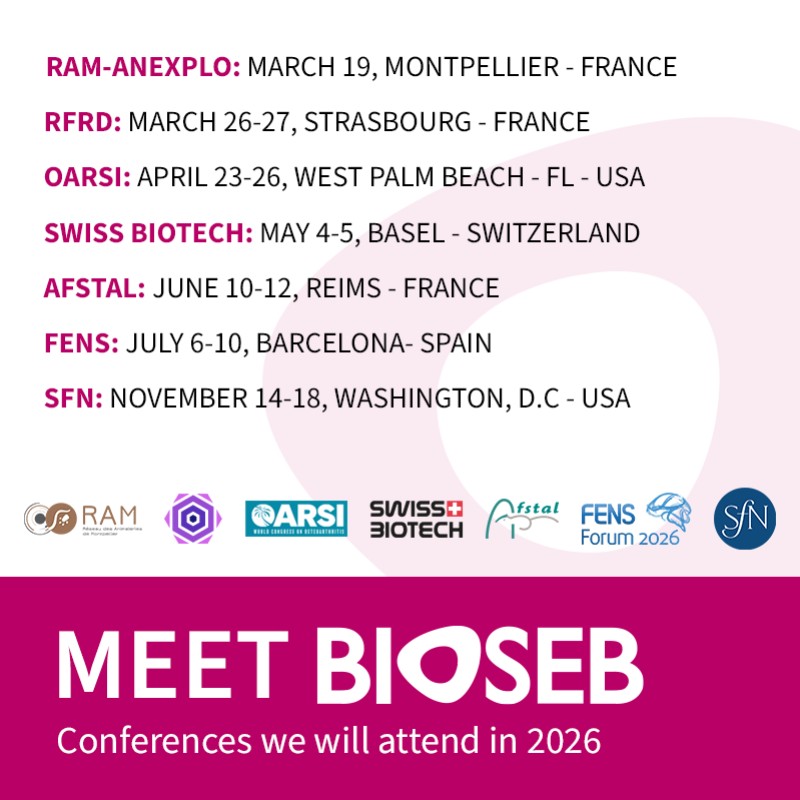 Congrès & Meetings 2026
 Authors
Luong, David T., Niu, Chenchen, Kim, Eunice, Tanji, Nolan, Duong, Ivy, Galero, Brandon, Zhang, Yong-Jie, Bennett, Craig L., La Spada, Albert R.
Lab
Journal
International Journal of Molecular Sciences
Abstract
Peroxisome-proliferator–activated receptor delta (PPARδ) regulates metabolic, mitochondrial, and inflammatory pathways implicated in neurodegeneration, making it an attractive therapeutic target for amyotrophic lateral sclerosis (ALS). In this study, we evaluated two PPARδ agonists, KD3010 and T3D-959, in two established ALS/FTD mouse models: an AAV-mediated C9orf72 G4C2-repeat expansion model (C9-149R) and the TDP-43Q331K transgenic model. Drug treatment was initiated prior to the emergence of key disease features and continued for 9–10 months. Comprehensive behavioral, neuropathological, and biomarker analyses revealed marked differences between the two models. C9-149R mice exhibited reduced body weight and subtle behavioral alterations without robust motor deficits, whereas TDP-43Q331K mice developed pronounced, progressive motor and cognitive impairments accompanied by a ~7-fold elevation in plasma neurofilament light chain (NfL). Despite effective target engagement—particularly for T3D-959—neither PPARδ agonist improved motor performance, cognitive behavior, neuroanatomical measures, plasma NfL levels, or disease-associated molecular phenotypes in either model. Prolonged KD3010 treatment resulted in loss of target engagement, consistent with drug tolerance, while T3D-959 sustained PPARδ activation without therapeutic benefit. Together, these findings demonstrate that PPARδ agonism is insufficient to modify disease progression in these ALS/FTD mouse models and underscore the importance of publishing well-powered negative preclinical studies to refine therapeutic strategies for ALS.
Keywords/Topics
c9orf72 model mice peroxisome-proliferator; neurodegeneration; c9-149r mice; subtle behavioral alterations; k mice; cognitive behavior; either model; therapeutic strategies; peroxisome-proliferator; ppar-delta agonist therapies
BIOSEB Instruments Used:
Grip strength test (BIO-GS4)
Source :