 Activité, Système Moteur & Coordination
 Douleur - Allodynie/Hyperalgésie Thermique
 Douleur - Spontanée - Déficit de Posture
 Douleur - Allodynie/Hyperalgésie Mécanique
 Anxiété & Dépression
 Apprentissage/Mémoire - Attention - Addiction
 Physiologie & Recherche Respiratoire
 Métabolisme & Nutrition



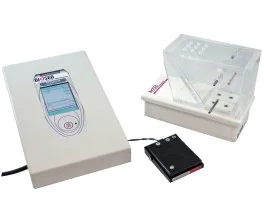
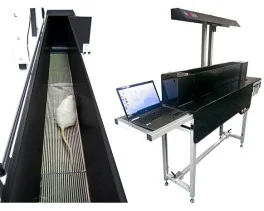
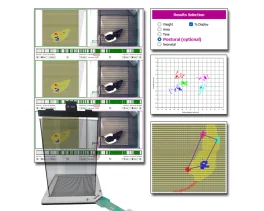

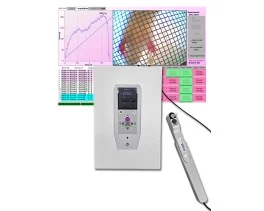







 Douleur
 Système Nerveux Central (SNC)
  Neurodégénérescence
 Système sensoriel
 Système moteur
 Troubles de l'humeur
 Autres pathologies
 Système musculaire
 Articulations
 Métabolisme
 Thématiques transversales
 Congrès & Meetings 2026
 Authors
Caroline Le Guiner, Gilles Toumaniantz, Thibaut Larcher, Sylvie Marchand, Laurine Buscara, Grégory Cedrone, Cladice Varela Moreira, Amandine Lancelot, Christophe Georger, Aude Lafoux, Célia Couzinié, David Augereau, Corinne Jounier, Agnès Hivonnait, Estelle Creoff, Stéphanie Blaie, Corinne Huchet, Oumeya Adjali, Nathalie Daniele, Gérald Perret, Serge Braun
Lab
UMR 703; PanTher; APEX; 91000 Evry; 91000 Evry; 91000 Evry
Journal
Molecular Therapy
Abstract
Recombinant adeno-associated virus (rAAV) vectors encoding microdystrophin (MD) are a promising treatment for Duchenne muscular dystrophy (DMD). GNT0004, an rAAV2/8 vector expressing MD1, is currently being tested in patients with DMD. Here, we explored supra-optimal intravenous doses of GNT0004 (2.1 × 10¹⁴ and 4.2 × 10¹⁴ vg/kg, up to 14 times the therapeutic dose) in wild-type (WT) and DMDmdx rats. In all cohorts, robust MD1 protein expression was observed. In DMD animals, creatine kinase levels were normalized, and skeletal muscle and heart histology and functions were improved. However, unexpected sudden deaths occurred at the highest dose. In WT animals, deaths were observed at both doses and were associated with increased arrhythmic events, which may promote structural and functional heart issues. Immunohistological analysis suggested that overexpression of MD1 may disrupt the dystrophin-associated protein complex, increasing the risk of arrhythmias and sudden death. In DMDmdx rats, the 2.1 × 10¹⁴ vg/kg dose was well tolerated, but some deaths occurred at 4.2 × 10¹⁴ vg/kg, for which a causal link to GNT0004 cannot be excluded. At this dose, increased arrhythmic risk and cardiac pathological remodeling were observed. These observations highlight the potential risk of MD overexpression in the heart and suggest a need for careful monitoring of patients with DMD treated with gene therapy.
Keywords/Topics
Duchenne muscular dystrophy; gene therapy; rAAV; microdystrophin; DMDmdx rat; overexpression; sudden death; cardiac arrhythmia
BIOSEB Instruments Used:
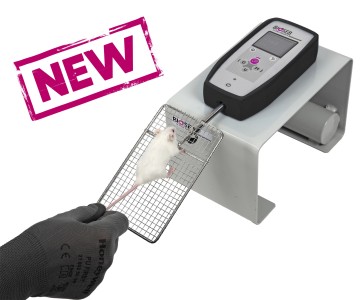
Grip strength test (BIO-GS4)
Source :
https://www.cell.com/molecular-therapy-family/molecular-therapy/fulltext/S1525-0016(25)00862-7