
 Activité, Système Moteur & Coordination
 Douleur - Allodynie/Hyperalgésie Thermique
 Douleur - Spontanée - Déficit de Posture
 Douleur - Allodynie/Hyperalgésie Mécanique
 Anxiété & Dépression
 Apprentissage/Mémoire - Attention - Addiction
 Physiologie & Recherche Respiratoire
 Métabolisme & Nutrition

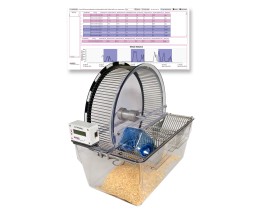
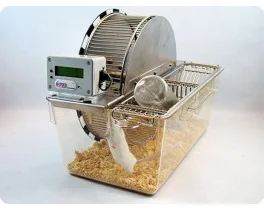


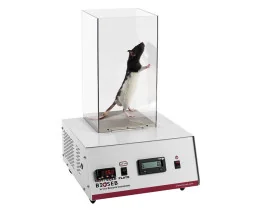
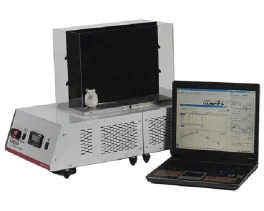



















 Douleur
 Système Nerveux Central (SNC)
  Neurodégénérescence
 Système sensoriel
 Système moteur
 Troubles de l'humeur
 Autres pathologies
 Système musculaire
 Articulations
 Métabolisme
 Thématiques transversales
 Congrès & Meetings 2026
 Authors
Sophie Lecop, Edwige Piron, Audrey M. Neyrinck, Axelle Loriot, Sarah A. Pötgens, Raphaël Helaers, Amandine Jacquet, Pauline Morigny, Eleonora Scorletti, Josh Bilson, Christopher D. Byrne, Patrice D. Cani, Maria Rohm, Lars Vereecke, Thomas C. A. Hitch, Thomas Clavel, Nathalie M. Delzenne, Laure B. Bindels
Lab
Ghent; Ghent; Rutgers University; University of Hong Kong
Journal
bioRxiv
Abstract
Abstract
Introduction
Acute myeloid leukemia (AML) is a hematological malignancy associated with muscle wasting. As the relative abundance of Lachnospira eligens was reduced in patients with AML compared to healthy individuals and correlated positively with muscle strength, we hypothesized that L. eligens positively impacts the muscle through the production of small metabolites reaching the systemic circulation.
Methods
L. eligens levels were analyzed in two additional independent cohorts. Six L. eligens isolates were characterized through whole-genome sequencing to select clinically relevant strains. The composition of their culture supernatant was analyzed by metabolomics. The impact of L. eligens supernatant on dexamethasone- and interleukin-6-atrophied murine myotubes was assessed. Bioactive metabolites and their production mechanism were identified using among others bioactivity-guided fractionation. The underlying mechanism was also explored on the host side through myotubes’ transcriptome analysis and metabolic flux analysis. The relevance of bioactive metabolites and their production mechanism was evaluated through clinical data and samples analyses and in a mouse model of leukemia.
Results
The levels of L. eligens are reduced in independent cohorts of patients with AML and its supernatant counteracts myotube atrophy. This anti-atrophic effect, conserved between strains of the same species, depends on the occurrence of mixed acid fermentation (MAF) in anoxic culture conditions and the presence of its acid end-products acetate, formate and D-lactate. Consistent with those results, blood levels of acetate are decreased and the relative abundance of fecal bacteria capable of performing aerobic respiration is increased in patients with AML. However, bacterial supernatant failed to prevent muscle atrophy and weakness in leukemic mice, likely due to insufficient sustained elevation of acid end-products in the blood.
Conclusion
This work reveals the anti-atrophic effect of MAF end-products on myotubes and suggests the importance of considering gut electron acceptor levels (e.g. O2) in disorders affecting muscle health.
Graphical abstract
Keywords/Topics
others bioactivity-guided fractionation; aerobic respiration; leukemic mice; grip strength; mixed acid fermentation products; lachnospira eligens; myotube atrophy; patients; healthy individuals; muscle strength
Source :
https://www.biorxiv.org/content/10.64898/2026.06.10.729780.abstract