 Activité, Système Moteur & Coordination
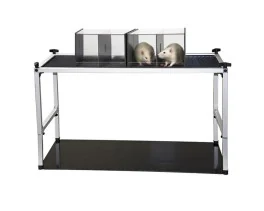
 Douleur - Allodynie/Hyperalgésie Thermique
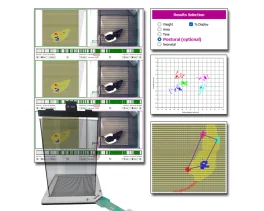
 Douleur - Spontanée - Déficit de Posture
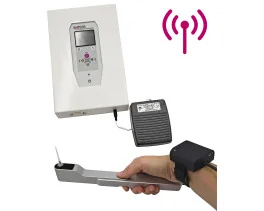
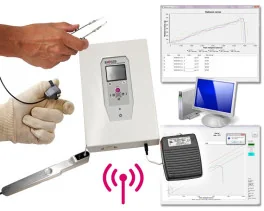
 Douleur - Allodynie/Hyperalgésie Mécanique
 Anxiété & Dépression
 Apprentissage/Mémoire - Attention - Addiction
 Physiologie & Recherche Respiratoire
 Métabolisme & Nutrition




 Douleur
 Système Nerveux Central (SNC)
  Neurodégénérescence
 Système sensoriel
 Système moteur
 Troubles de l'humeur
 Autres pathologies
 Système musculaire
 Articulations
 Métabolisme
 Thématiques transversales
 Congrès & Meetings 2026
 Authors
Jiang, Yuxin, Shi, Jie, Wang, Wenping, Piao, Haozhe, Yao, Huini, Yu, Jun, Zhai, Zhenzhu, Liu, Qian, Li, Ningxin, Fu, Jiaqing, Shen, Yue, Jin, Shengbo, Li, Mingzhu
Lab
Journal
Frontiers in Pharmacology
Abstract
Oxaliplatin, a third-generation platinum-based chemotherapeutic agent, has shown substantial efficacy in cancer treatment. However, its associated side effects, particularly chemotherapy-induced peripheral neuropathic pain (CIPNP), continue to challenge cancer survivors globally. Clinically, it frequently presents as numbness, coldness, and discomfort in the limbs and extremities. Duloxetine is advised for analgesic purposes. Despite its clinical relevance, both the application methods and the underlying mechanisms of oxaliplatin-induced CINP warrant further investigation. Consequently, more precise animal models are needed to explore the mechanisms and progression of this condition. This review consolidates recent advancements in rat and mouse models of oxaliplatin-induced CINP, with the aim of enhancing modeling success rates and developing models that more accurately mirror disease progression. Such models are essential for advancing clinical research and drug development.
Keywords/Topics
neuropathic pain; chemotherapy; applications; oxaliplatin; CINP animal model
BIOSEB Instruments Used:
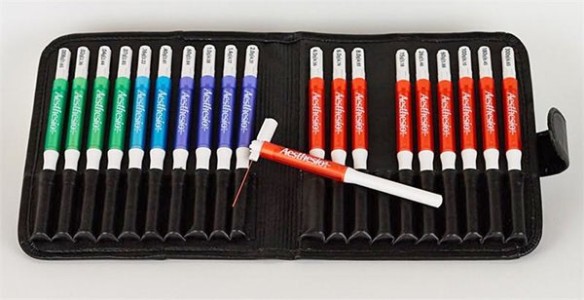
Von Frey Filaments (BIO-VF-M)
Source :
https://www.frontiersin.org/journals/pharmacology/articles/10.3389/fphar.2025.1609791/abstract