 Activité, Système Moteur & Coordination
 Douleur - Allodynie/Hyperalgésie Thermique
 Douleur - Spontanée - Déficit de Posture
 Douleur - Allodynie/Hyperalgésie Mécanique
 Anxiété & Dépression
 Apprentissage/Mémoire - Attention - Addiction
 Physiologie & Recherche Respiratoire
 Métabolisme & Nutrition


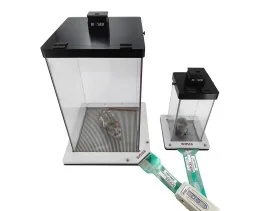
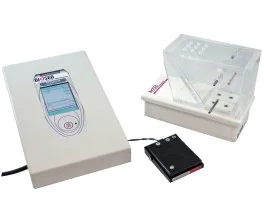
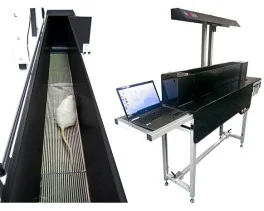
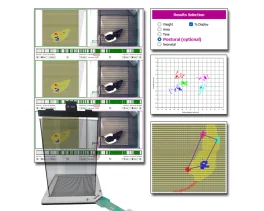





 Douleur
 Système Nerveux Central (SNC)
  Neurodégénérescence
 Système sensoriel
 Système moteur
 Troubles de l'humeur
 Autres pathologies
 Système musculaire
 Articulations
 Métabolisme
 Thématiques transversales
 Congrès & Meetings 2026
 Authors
Gaeun Kim, Hyerin Jeong, Kyungtae Kim, Sangwon Lee, Eunha Baeg, Sungchil Yang, Byoungkwan Kim, Sunggu Yang
Lab
Journal
Experimental Neurobiology
Abstract
Graphene has emerged as a promising nanomaterial for brain-computer interface (BCI) applications due to its excellent electrical properties and biocompatibility. However, its long-term structural compatibility on the cerebral cortex requires further validation. This study assessed both functional compatibility and preservation of neural tissue architecture for graphene/parylene C composite electrodes implanted on the rat cortical surface, in accordance with ISO 10993-6 guideline weekly neurobehavioral assessments and comprehensive histopathological analyses were conducted for four weeks post-implantation. Our results revealed no significant differences in neurobehavioral outcomes between graphene-based and medical-grade silicone implants. Histopathological examination showed no noticeable inflammatory responses, changes in cellular morphology, myelination status, or neuronal degeneration. These findings indicate that graphene electrodes preserve tissue integrity comparable to medical‑grade silicone. Our study supports graphene's potential use in clinical neuroprosthetics and neuromodulation devices.
Keywords/Topics
Graphene; Parylene C; Electrocorticography; Biocompatible materials
BIOSEB Instruments Used:
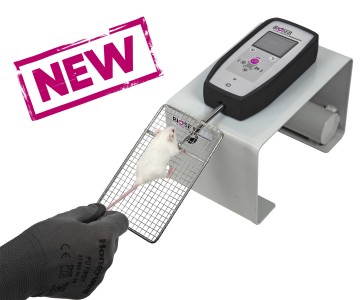
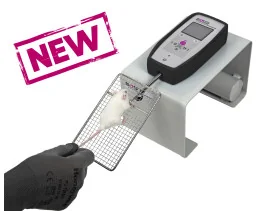
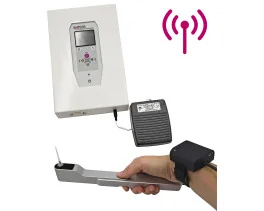
Grip strength test (BIO-GS4)
Source :