 Activity, Motor Control & Coordination
 Pain - Thermal Allodynia / Hyperalgesia
 Pain - Spontaneous Pain - Postural Deficit
 Pain - Mechanical Allodynia / Hyperalgesia
 Anxiety & Depression Disorder
 Learning/Memory - Attention - Addiction
 Physiology & Respiratory Research
 Metabolism & Nutrition

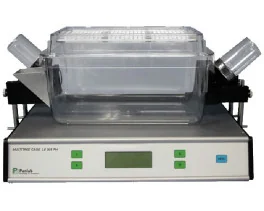
![Dynamic Weight Bearing 2.0 – Postural Module [Add-on]](https://bioseb.com/733-home_default/dynamic-weight-bearing-20-add-on-postural-module.jpg)







 Pain
Pain Central Nervous System (CNS)
 Neurodegeneration
 Sensory system
 Motor control
 Mood Disorders
 Other disorders
 Muscular system
 Joints
 Metabolism
 Cross-disciplinary subjects
 CONFERENCES & MEETINGS 2026
 Authors
He Wang, Linsong Chen, Lei Zhou, Haifang Li, Xin Song, Jie Zhang, Hongmin Ma, Ping Ma
Lab
Shaoyin Wei; Shandong University; China
Journal
Frontiers in Cell and Developmental Biology
Abstract
The age-standardized disability-adjusted rate of OA globally increased by 9.5% between 1990 and 2020, establishing it as the seventh leading cause of motor dysfunction in individuals aged 70 and above (GBD, 2021 Osteoarthritis Collaborators, 2023). The knee joint is the most commonly affected site among this population. Current OA treatments fall into three categories: non-pharmacological, pharmacological, and surgical. Non-pharmacological approaches, like exercise and weight loss, alleviate symptoms but do not facilitate joint structure repair. Pharmacological strategies, primarily involving NSAIDs and glucocorticoids, are hindered by NSAIDs’ risks of hepatotoxicity, nephrotoxicity, gastrointestinal issues, and cardiovascular complications, while glucocorticoid injections, despite localized effects, necessitate professional administration and carry risks of pain, tissue damage, and infection, reducing patient compliance. Surgical options, such as joint replacement, significantly enhance function in advanced OA but entail high trauma, cost, postoperative complications, and limited prosthesis lifespan. Overall, while current treatments mitigate pain and inflammation, they offer only temporary relief and fail to regenerate cartilage or halt disease progression. The systemic side effects of drugs and the invasiveness and cost of surgery limit their clinical utility (Honvo et al., 2025;Moseng et al., 2024;Allen et al., 2025;Postler et al., 2023;Ciaffi et al., 2024). Therefore, developing novel therapeutic strategies that enhance targeted drug delivery efficiency while minimizing systemic adverse reactions is urgently needed to improve the long-term management of OA.
Keywords/Topics
osteoarthritis collaborators; pharmacological strategies; gastrointestinal issues; necessitate professional administration; pain; postoperative complications; novel therapeutic strategies; celecoxib; shikonin loaded dissolving microneedle; osteoarthritis treatment
BIOSEB Instruments Used:
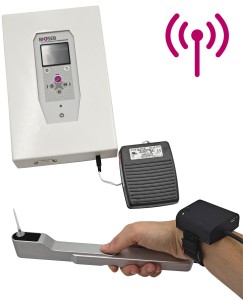
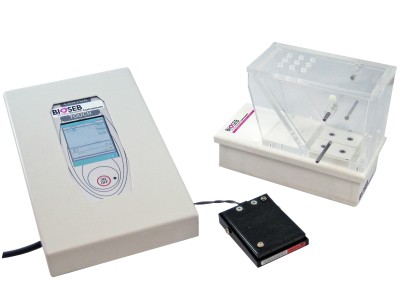
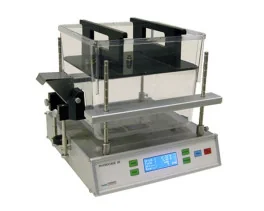
Electronic Von Frey - Wireless (BIO-EVF-WRS),Static Weight Bearing Touch: Incapacitance Test (BIO-SWB-TOUCH-M)
Source :