We have previously reported that vertical oscillation influences interstitial fluid dynamics and transmits mechanical stress to neurons in the...
Array
(
[id_prestablog_news] => 2592
[id_shop] => 1
[date] => 2026-07-23 00:00:00
[date_modification] => 2026-07-23 00:00:00
[langues] => ["1","2"]
[actif] => 1
[slide] => 0
[url_redirect] =>
[average_rating] =>
[number_rating] =>
[author_id] => 1
[featured] => 0
[ishero] => 0
[prim_key] => 5051
[id_lang] => 1
[title] => Passive Oscillatory Body Motion Attenuates Pain‐Related Behaviors and Increases
[paragraph] => Passive Oscillatory Body Motion Attenuates Pain‐Related Behaviors and Increases β‐Endorphin Immunoreactivity in a Murine Fracture Model: A Preliminary Study
[content] => Authors
Ryoma Kato, Kazuhiro Hayashi, Yuri Okada, Rina Okura, Fuyu Niida, Jun Miyata, Naoyoshi Sakitani, Yasuhiro Sawada, Akira Ito
Lab
Journal
Brain and Behavior
Abstract
We have previously reported that vertical oscillation influences interstitial fluid dynamics and transmits mechanical stress to neurons in the brain (Ossipov et al.2014). Based on these findings, it is plausible that the vertical acceleration waveforms induced by PBM similarly influence interstitial fluid dynamics and transmit mechanical stress to hypothalamic POMC neurons. Consequently, POMC neuronal activity may be enhanced, leading to increased release of β‐END. Hypothalamic POMC neurons are known to be activated by treadmill exercise or muscle‐derived cytokines (Kang et al.2021). Together with these established metabolic pathways, our results suggest that exercise‐induced increases in β‐END may be explained not only by metabolic stimuli but also, at least in part, by mechanical stimulation. Collectively, the vertical acceleration waveforms generated during treadmill running may activate POMC neurons and promote β‐END release, in concert with previously recognized metabolic factors. This study provides the first experimental evidence highlighting the contribution of vertical acceleration waveforms to the mechanisms underlying exercise‐induced analgesia. In contrast, no difference inOprm1mRNA in the PAG was observed between the two groups. A previous study reported that four weeks of treadmill exercise decreased MOR expression in the rostral ventromedial medulla of rats with neuropathic pain (Kim et al.2015). In the present study, however, the intervention period was limited to three weeks, which may partly explain the absence of detectable changes inOprm1mRNA expression. These findings suggest that longer‐term investigations are warranted. Furthermore, the present study incorporated sex as a biological variable in the analysis. Previous studies have suggested that sex differences may influence pain perception and analgesic efficacy through various interventions, potentially mediated by the effects of gonadal hormones. In particular, the Sex and Gender Equity in Research (SAGER) guidelines recommend that preclinical studies include both male and female animals and the inclusion of sex‐based analyses (Heidari et al.2016). When this is not feasible, the limitations should be clearly stated. A noteworthy exploratory finding of the present study was thatOprm1expression in the PAG tended to be higher in females than in males. In contrast, previous studies have reported higher MOR expression in the ventral PAG of male rats (Loyd et al.2008). This discrepancy may be attributable to several factors, including the fact that the PAG region analyzed here was not restricted to the ventral portion, the lack of estrous cycle control, and species differences between rats and mice. Additionally,Oprm1generates multiple receptor isoforms through alternative splicing, which can vary across brain regions and between sexes (Liu et al.2018). Therefore, differences in overallOprm1mRNA levels may not necessarily reflect changes in functionally relevant MOR isoforms. It is important to note that the sample size was insufficient for a detailed investigation of sex‐specific effects; thus, our findings regarding sex differences inOprm1mRNA expression should be considered exploratory and hypothesis‐generating. As the analysis included four groups (male and female control groups and male and female PBM groups), resulting in relatively small group sizes (n= 3–4 per group). Further validation using a larger sample size is required. In addition, several limitations of this study should be acknowledged. First, our evaluation was limited to β‐END andPomcexpression; other endogenous opioids (e.g., enkephalins, dynorphins) and non‐opioid analgesic pathways (e.g., cannabinoids, monoaminergic systems) were not examined. Future studies should adopt a more comprehensive molecular approach. Second, the oscillation parameters of PBM (frequency and amplitude) were restricted to a single setting; thus, the effects of varying stimulation conditions remain to be investigated. Third, we did not monitor spontaneous activity during the housing period, which may have influenced pain‐related behaviors or endogenous analgesic mechanisms. Furthermore, although we have previously demonstrated interstitial fluid movement in the cerebral cortex and brainstem (Murase et al.2023; Ryu et al.2020), the dynamics of interstitial fluid within the hypothalamus and PAG during PBM have not yet been directly measured. While it is plausible that similar hydrodynamic changes occur in these regions, this remains hypothetical, and future studies should aim to visualize and quantify these dynamics. Fourth, we did not compare the effects of PBM with those of treadmill exercise, which is known to induce β‐END expression. Fifth, as the efficacy of PBM was evaluated solely in a murine fracture model, further research is required to investigate its effects in other pain models, such as neuropathic pain and nociplastic pain models. Sixth, the von Frey hair test was not performed under blinded conditions, as the experimenter was aware of group allocations; therefore, the possibility of observer bias cannot be ruled out. Seventh, the experiment assessing restraint stress (Supplementary Figure2) had a small sample size (n= 5 per group) and minor protocol variations from the main study. Therefore, its null result (p= 0.40) may be limited by statistical power, and the possibility that restraint stress affects pain‐related behavior and the opioid system cannot be entirely excluded. Finally, we did not perform histological or imaging assessments of fracture healing and local inflammation, both of which may also influence central mechanisms of pain regulation.
Keywords/Topics
behaviors; mechanical stress; pomc neuronal activity; mechanical stimulation; vertical acceleration; rats; neuropathic pain; pain perception; male rats; mice
[meta_description] =>
[meta_keywords] => https://pmc.ncbi.nlm.nih.gov/articles/PMC13396874/
[meta_title] =>
[link_rewrite] => Passive-Oscillatory-Body-Motion-Attenuates-Pain‐Related-Behaviors-and-Increases-β‐Endorphin-Immunoreactivity-in-a-Murine-Fracture-Model-A-Preliminary-Study
[actif_langue] => 1
[read] => 0
[count_comments] => 0
[id] => 2592
[categories] => Array
(
[30] => Array
(
[id_prestablog_categorie] => 30
[title] => Chronic pain
[link_rewrite] => Chronic-pain
)
[2] => Array
(
[id_prestablog_categorie] => 2
[title] => Publications
[link_rewrite] => publications
)
)
[authors] =>
[paragraph_crop] => Passive Oscillatory Body Motion Attenuates Pain‐Related Behaviors and Increases β‐Endorphin Imm [...]
[link_for_unique] => 1
[products_liaison] => Array
(
[577] => Array
(
[name] => Von Frey Filaments
[description_short] => A set of 20 monofilaments based on the Semmes Weinstein monofilament set - featuring retractable filaments to protect the filament and allow the investigator to carry a few around in a pocket


[thumb] => 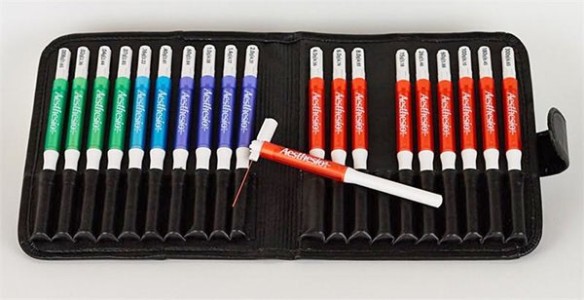 [img_empty] => /var/www/vhosts/de3310.ispfr.net/bioseb2024/modules/prestablog/views/img/product_link_white.jpg
[image_presente] => 1
[link] => https://bioseb.com/en/pain-mechanical-allodynia-hyperalgesia/577-von-frey-filaments.html
)
[1859] => Array
(
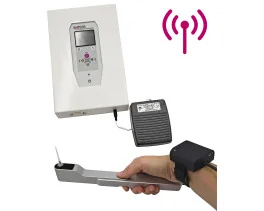
[name] => Electronic Von Frey - Wireless
[description_short] =>
[img_empty] => /var/www/vhosts/de3310.ispfr.net/bioseb2024/modules/prestablog/views/img/product_link_white.jpg
[image_presente] => 1
[link] => https://bioseb.com/en/pain-mechanical-allodynia-hyperalgesia/577-von-frey-filaments.html
)
[1859] => Array
(
[name] => Electronic Von Frey - Wireless
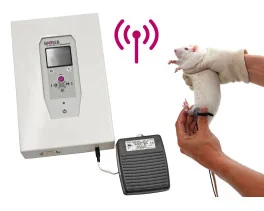
[description_short] => A quick solution to determine the mechanical sensitivity threshold in rodents (mice and rats). Now wireless, to be free from annoying cables!
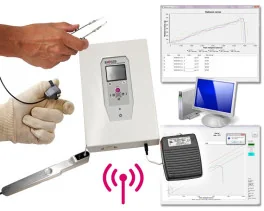
This precise and easy-to-use electronic instrument is a must-have reference for your research in analgesia, nociception, neuro-pathologies and post-operative pain.
[thumb] => 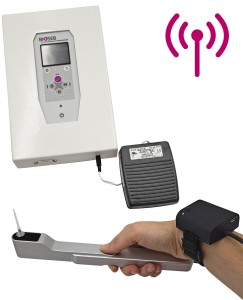 [img_empty] => /var/www/vhosts/de3310.ispfr.net/bioseb2024/modules/prestablog/views/img/product_link_white.jpg
[image_presente] => 1
[link] => https://bioseb.com/en/pain-mechanical-allodynia-hyperalgesia/1859-electronic-von-frey-4.html
)
[1860] => Array
(
[name] => Electronic Von Frey 5 with embedded camera
[description_short] =>
[img_empty] => /var/www/vhosts/de3310.ispfr.net/bioseb2024/modules/prestablog/views/img/product_link_white.jpg
[image_presente] => 1
[link] => https://bioseb.com/en/pain-mechanical-allodynia-hyperalgesia/1859-electronic-von-frey-4.html
)
[1860] => Array
(
[name] => Electronic Von Frey 5 with embedded camera
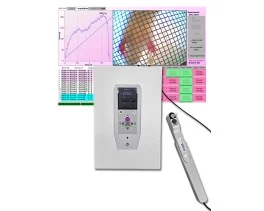
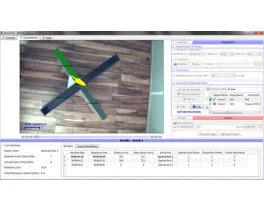
[description_short] => As an electronic version of the classical Von Frey Filaments esthesiometer (or aesthesiometer), the latest evolution of Bioseb's Electronic Von Frey instrument for determining the mechanical sensitivity threshold in rodents (rats and mice) is a must-have instrument for your reseach on hyperalgesia and allodynia. By measuring and recording the force at which the animal exhibits a paw withdrawal reflex, pathologies related to sensory response and hyper- or hypo-aesthesia can be studied.
The EVF5 includes an embedded camera inside the stimulator handle and a new, dedicated software revolutionizing the experimental process.
[thumb] => 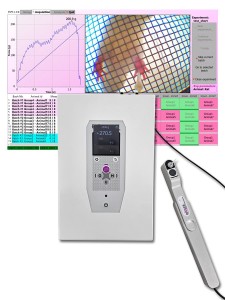 [img_empty] => /var/www/vhosts/de3310.ispfr.net/bioseb2024/modules/prestablog/views/img/product_link_white.jpg
[image_presente] => 1
[link] => https://bioseb.com/en/pain-mechanical-allodynia-hyperalgesia/1860-electronic-von-frey-5-with-embedded-camera.html
)
)
)
1
[img_empty] => /var/www/vhosts/de3310.ispfr.net/bioseb2024/modules/prestablog/views/img/product_link_white.jpg
[image_presente] => 1
[link] => https://bioseb.com/en/pain-mechanical-allodynia-hyperalgesia/1860-electronic-von-frey-5-with-embedded-camera.html
)
)
)
1 Read more  Activity, Motor Control & Coordination
 Pain - Thermal Allodynia / Hyperalgesia
 Pain - Spontaneous Pain - Postural Deficit
 Pain - Mechanical Allodynia / Hyperalgesia
 Anxiety & Depression Disorder
 Learning/Memory - Attention - Addiction
 Physiology & Respiratory Research
 Metabolism & Nutrition

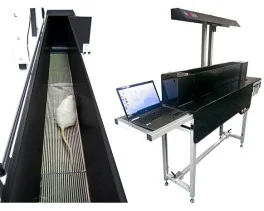
![Dynamic Weight Bearing 2.0 – Postural Module [Add-on]](https://bioseb.com/733-home_default/dynamic-weight-bearing-20-add-on-postural-module.jpg)


 Latest publication 07/23/2026
 Pain
Pain Central Nervous System (CNS)
 Neurodegeneration
 Sensory system
 Motor control
 Mood Disorders
 Other disorders
 Muscular system
 Joints
 Metabolism
 Cross-disciplinary subjects
 CONFERENCES & MEETINGS 2026