 Activity, Motor Control & Coordination
 Pain - Thermal Allodynia / Hyperalgesia
 Pain - Spontaneous Pain - Postural Deficit
 Pain - Mechanical Allodynia / Hyperalgesia
 Anxiety & Depression Disorder
 Learning/Memory - Attention - Addiction
 Physiology & Respiratory Research
 Metabolism & Nutrition
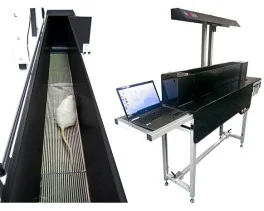
![Dynamic Weight Bearing 2.0 – Postural Module [Add-on]](https://bioseb.com/733-home_default/dynamic-weight-bearing-20-add-on-postural-module.jpg)


 Pain
Pain Central Nervous System (CNS)
 Neurodegeneration
 Sensory system
 Motor control
 Mood Disorders
 Other disorders
 Muscular system
 Joints
 Metabolism
 Cross-disciplinary subjects
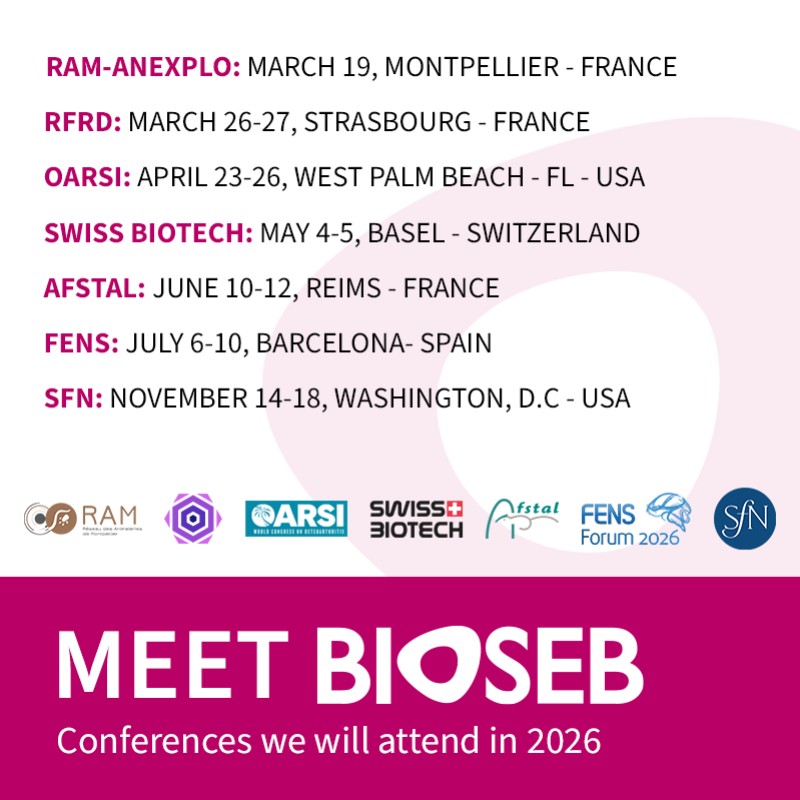 CONFERENCES & MEETINGS 2026
 Authors
Anne-Sophie Montero, Ilyes Aliouat, Matthieu Ribon, Michael Canney, Lauriane Goldwirt, Samia Mourah, Flix Berriat, Christian S. Lobsiger, Pierre-Franois Pradat, Franois Salachas, Galle Bruneteau, Alexandre Carpentier, Sverine Boille
Lab
Journal
eBioMedicine
Abstract
Summary
Background
Amyotrophic lateral sclerosis (ALS) is a fatal neurodegenerative disease characterized by a progressive loss of motor neurons. The limited efficacy of recent therapies in clinical development may be linked to lack of drug penetration to the affected motor neurons due to the blood-brain barrier (BBB) and blood-spinal cord barrier (BSCB).
Methods
In this work, the safety and efficacy of repeated short transient opening of the BSCB by low intensity pulsed ultrasound (US, sonication) was studied in females of an ALS mouse model (B6.Cg-Tg(SOD1toG93A)1Gur/J). The BSCB was disrupted using a 1MHz ultrasound transducer coupled to the spinal cord, with and without injection of insulin-like growth factor 1 (IGF1), a neurotrophic factor that has previously shown efficacy in ALS models.
Findings
Results in wild-type (WT) animals demonstrated that the BSCB can be safely disrupted and IGF1 concentrations significantly enhanced after a single session of transient BSCB disruption (17632g/g vs. 0.160.008g/g, p<0.0001). Five repeated weekly US sessions performed in female ALS mice demonstrated a survival advantage in mice treated with IGF1 and US (US IGF1) compared to treatment with IGF1 alone (176 vs. 166 days, p=0.0038). Surprisingly, this survival advantage was also present in mice treated with US alone vs. untreated mice (178.5 vs. 166.5 days, p=0.0061). Muscle strength did not show difference among the groups. Analysis of glial cell immunoreactivity and microglial transcriptome showing reduced cell proliferation pathways, in addition to lymphocyte infiltration, suggested that the beneficial effect of US or US IGF1 could act through immune cell modulation.
Interpretation
These results show the first step towards a possible beneficial impact of transient BSCB opening for ALS therapy and suggest implication of immune cells.
Funding
Fondation pour la Recherche Mdicale (FRM). Investissements d'avenir ANR-10-IAIHU-06, Socit Franaise de Neurochirurgie (SFNC), Fond d'tude et de Recherche du Corps Medical (FERCM), Aide à la Recherche des Maladies du Cerveau (ARMC), SLA Fondation Recherche (SLAFR), French Ministry for High Education and Research (MENR), Carthera, Laboratoire de Recherche en Technologies Chirurgicales Avances (LRTCA).
Keywords/Topics
Blood - spinal cord barrier ( BSCB ) ; Ultrasound ;Amyotrophic lateral sclerosis ( ALS ) ;Motor neuron disease ( MND)
BIOSEB Instruments Used:
Grip strength test (BIO-GS4)
Source :