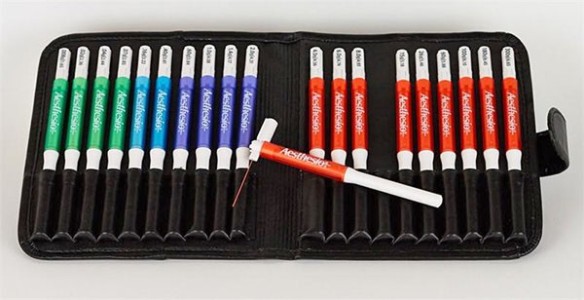
 Activity, Motor Control & Coordination
 Pain - Thermal Allodynia / Hyperalgesia
 Pain - Spontaneous Pain - Postural Deficit
 Pain - Mechanical Allodynia / Hyperalgesia
 Anxiety & Depression Disorder
 Learning/Memory - Attention - Addiction
 Physiology & Respiratory Research
 Metabolism & Nutrition
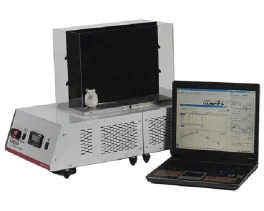
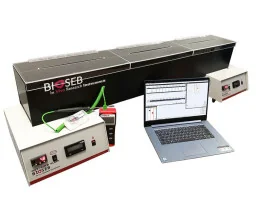
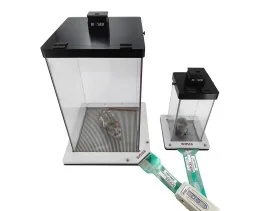
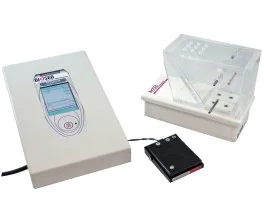
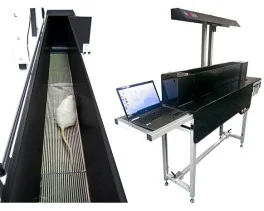
![Dynamic Weight Bearing 2.0 – Postural Module [Add-on]](https://bioseb.com/733-home_default/dynamic-weight-bearing-20-add-on-postural-module.jpg)
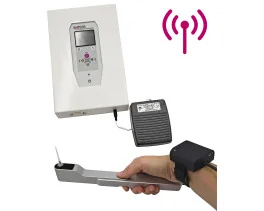
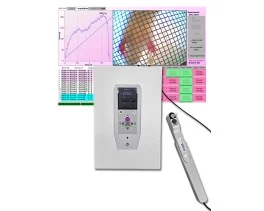
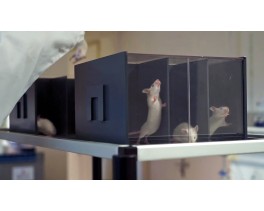


 Pain
Pain Central Nervous System (CNS)
 Neurodegeneration
 Sensory system
 Motor control
 Mood Disorders
 Other disorders
 Muscular system
 Joints
 Metabolism
 Cross-disciplinary subjects
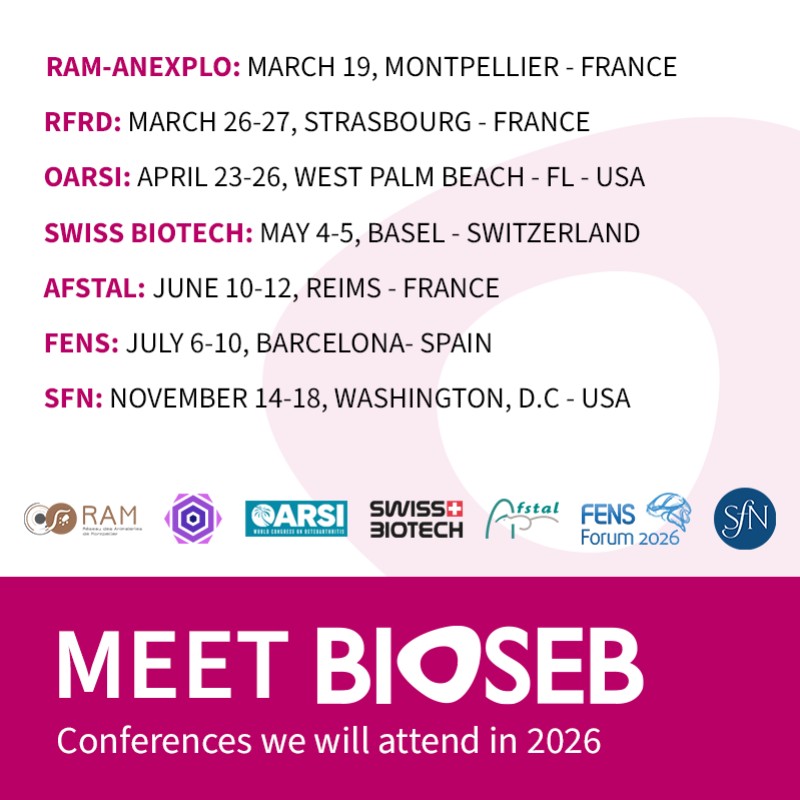 CONFERENCES & MEETINGS 2026
 Authors
Kiki W. K. Kuijpers, Rutger Van Der Schrier, Albert Dahan, Monique Van Velzen
Lab
MediD Consultancy Group Amsterdam the Netherlands; Outcomes Research Consortium Houston Texas USA; Centre for Human Drug Research Leiden the Netherlands; Centre for Human Drug Research; Leiden; the Netherlands
Journal
European Journal of Pain
Abstract
While this study provides valuable insights into the selective effects of tetrodotoxin on sensory processing in humans, several limitations should be considered. First, although the sample size of 25 participants is relatively large for an early-phase 2a pharmacodynamic study, it may still be underpowered to detect subtle effects in less sensitive measures, such as olfaction or neurological assessments. Second, the dose escalation design does not entirely rule out potential carryover effects between sessions; however, given the pharmacokinetics of tetrodotoxin, single-dose administration and the timing of assessments, significant carry-over is unlikely. The absence of a randomisation design was intentionally chosen to ensure participant safety, but participants were still blinded throughout the study. Additionally, there is the possibility of a learning or habituation effect, though we argue that there was ample time between both visits to preclude a significant learning effect, an effect that was not detected in baseline measurements. Third, the timing and frequency of measurements may not have captured the full temporal profile of tetrodotoxin effects, and some pharmacodynamic responses could have occurred outside the sampling window. Fourth, the absence of plasma tetrodotoxin concentrations limits the ability to correlate pharmacokinetics with pharmacodynamics; future studies including such measurements could provide a more comprehensive understanding of the drug's action profile. Fifth, the lack of a placebo condition precludes the detection of possible placebo and placebo × time effects. We are aware of this and consequently, we compared our effects versus the visit baseline values. Finally, the generalisability of these findings to patient populations remains uncertain. In pathological pain conditions, such as neuropathy, sodium channel expression, including Nav1.6, Nav1.7 and Nav1.3 channels, may be upregulated, all of which are sensitive to tetrodotoxin (Gonzalez-Cano et al.2021). Healthy volunteers therefore differ in both sodium channel distribution and central pain processing. Consequently, further studies in patients are needed to evaluate the translational relevance of these results.
Keywords/Topics
googletag.sizeMapping() .addSize([320; 100]; [[300; 50]; [320; 50]]) .addSize([740; [728; 90]) .addSize([0; 0]; 'fluid') .build(); mobileleaderboard: googletag.sizeMapping() .addSize([300; [300; 50]) .addSize([320; 50]) .build(); mobilefooter: googletag.sizeMapping() .addSize([0; 50]) .addSize([0; rail: googletag.sizeMapping() .addSize([0; 250]) .build(); interstitial: googletag.sizeMapping() .addSize([0; [640; 480]) .build() }; '%26'); return gptText.replace(/\^|\*|#|\$|\"|\'|\=|\; |\!|\+|\~|\; |\(|\)|\<|\>|\[|\]|\?|\%|\:|\@|\; |\&|\||\{|\}|\\|/g; ''); } return "blank"; googletag.pubads() .setTargeting('property'; gptClean('15322149')) // journal code .setTargeting('pbPage'; gptClean(gptPage)) .setTargeting('pbSubPage'; gptClean(gptSubPage)) .setTargeting('AudienceSegmentsUser'; segments) .setTargeting('urlpath'; gptClean(document.location.pathname)) .setTargeting('env'; window.adobeDataLayer?.[0]?.site?.environment || 'n/a'); googletag.defineSlot($GooglePublisherCategory; 'fluid'; } onDvtagReady(); } googletag.enableServices(); }); function (bids) { apstag.setDisplayBids(); 300); }) })
BIOSEB Instruments Used:
Von Frey Filaments (BIO-VF-M)
Source :