
 Activity, Motor Control & Coordination
 Pain - Thermal Allodynia / Hyperalgesia
 Pain - Spontaneous Pain - Postural Deficit
 Pain - Mechanical Allodynia / Hyperalgesia
 Anxiety & Depression Disorder
 Learning/Memory - Attention - Addiction
 Physiology & Respiratory Research
 Metabolism & Nutrition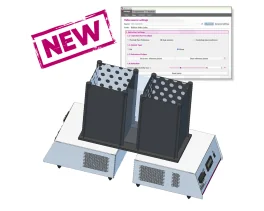
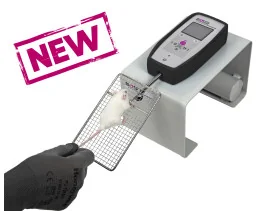
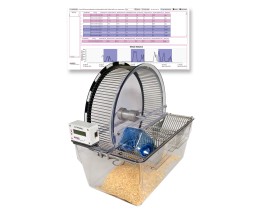
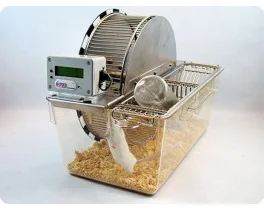
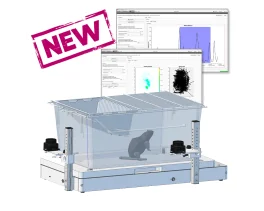
![Dynamic Weight Bearing 2.0 – Postural Module [Add-on]](https://bioseb.com/733-home_default/dynamic-weight-bearing-20-add-on-postural-module.jpg)





 Pain
Pain Central Nervous System (CNS)
 Neurodegeneration
 Sensory system
 Motor control
 Mood Disorders
 Other disorders
 Muscular system
 Joints
 Metabolism
 Cross-disciplinary subjects
 CONFERENCES & MEETINGS 2026
 Authors
Minji Kim, Minseok Yoon, Suengmok Cho, Changho Lee, Min Young Um
Lab
Journal
Molecular Nutrition & Food Research
Abstract
Recently, various studies reported the role of ERs in psychiatric disorders including major depression and anxiety.[39,40]Wang et al. explored the role of hippocampal ERAlpha in perimenopausal depressive rats,[41]and Furata et al. reported that E2 attenuated postpartum-induced anxiety in female rats via ERAlpha.[42]Conversely, other researchers described ERBeta as an important modulator in menopausal depression induced by ovariectomized and 4-vinylcyclohexen diepoxide (VCD).[43-45]Furthermore, ERBeta agonist slows serotonin clearance via the MAPK/ERK1/2 signaling pathway and its interactions with TrkB receptors in the hippocampus of OVX rats.[46]These data suggest that the activation of ERAlpha and ERBeta exerts antidepressant effects in female rodents. Considering these facts, we hypothesized that ORY leads to antidepressant effects through mediating ERAlpha and/or ERBeta. Our data revealed that ORY treatment upregulated ERBeta expression levels, but not ERAlpha in primary hippocampal neurons. Interestingly, in our previous study, 1,3-dicaffeoylquinic acid (1,3-diCQA), the active compound ofArctium lapparoot extract, modulated NO production via nNOS upregulation in an ERs-independent manner in OVX mice.[47]However, there is a difference in the manner in which ORY or 1,3-diCQA can activate ERs, leading to increased production of NO. A study of OVX mice showed ERBeta immunoreactivity in the epithelial cells, glandular, luminal, and stromal epithelium of uterine tissues in mice treated with ORY, supporting the notion that this pathway is required in NO production by ORY.[48]Considering this fact, in the molecular docking analysis, we predicted that ORY interacted with ERBeta but not to ERAlpha. Further, co-treatment with ERBeta agonist and ORY maximized nNOS protein levels, supporting the finding that the ORY-induced upregulation of nNOS expression was promoted only by ERBeta. Thus, our results demonstrated that ORY interacted with ERBeta, contributing to antidepressant effects via regulation of ERBeta-mediated nNOS expression. We investigated this further to confirm the participation of the nNOS signaling pathway in the antidepressant efficacy of ORY in in vitro and in vivo models. We found that the ORY-induced nNOS upregulation in SH-SY5Y cells was completely ameliorated via treatment with selective nNOS inhibitor 7-NI. Furthermore, we confirmed that 7-NI microinjection to the hippocampus blocked the antidepressant effects of ORY in the TST and FST of OVX mice. This demonstrated that the activation of nNOS was a critical factor for triggering the antidepressant effects of ORY. These results were consistent with previous reports that NO donor DETA/NONOate reduced immobility time in estrogen-deficient mice in the TST and FST, whereas 7-NI microinjection to the hippocampus increased depressive behaviors.[11]Furthermore, Zhang et al. reported that NO scavenger C-PTIO induced depressive behaviors by downregulating nNOS-NO-pCREB signaling pathways in OVX mice.[49]Therefore, in line with previous results, our findings indicated that ORY attenuated depressive behaviors through stimulation of hippocampal nNOS signaling mediated by ERBeta.
Keywords/Topics
oryzanol;ameliorates;depressive;behavior;ovariectomized;regulating;hippocampal;nitric;oxide;synthase
BIOSEB Instruments Used:
Tail Suspension Test - Wireless (BIO-TST5)
Source :
https://onlinelibrary.wiley.com/doi/abs/10.1002/mnfr.202300253