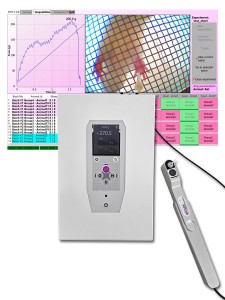
 Activity, Motor Control & Coordination
 Pain - Thermal Allodynia / Hyperalgesia
 Pain - Spontaneous Pain - Postural Deficit
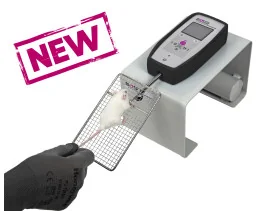
 Pain - Mechanical Allodynia / Hyperalgesia
 Anxiety & Depression Disorder
 Learning/Memory - Attention - Addiction
 Physiology & Respiratory Research
 Metabolism & Nutrition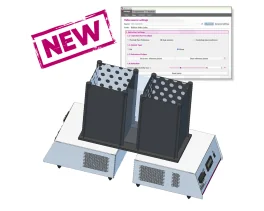
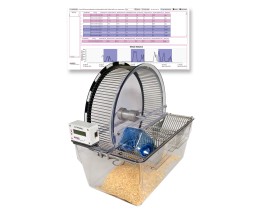
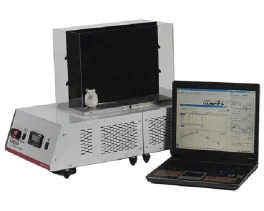
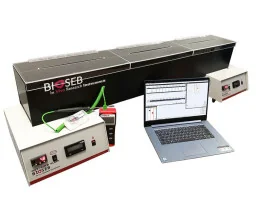
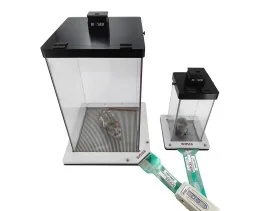
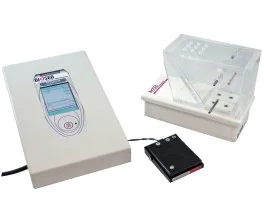
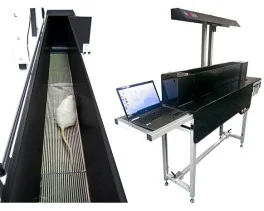
![Dynamic Weight Bearing 2.0 – Postural Module [Add-on]](https://bioseb.com/733-home_default/dynamic-weight-bearing-20-add-on-postural-module.jpg)


 Pain
Pain Central Nervous System (CNS)
 Neurodegeneration
 Sensory system
 Motor control
 Mood Disorders
 Other disorders
 Muscular system
 Joints
 Metabolism
 Cross-disciplinary subjects
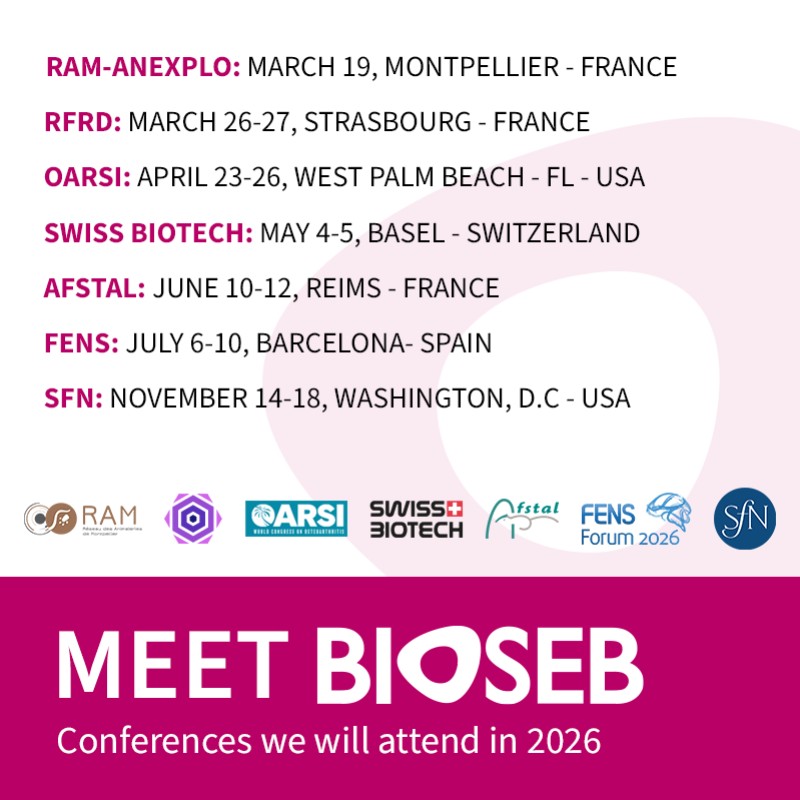 CONFERENCES & MEETINGS 2026
 Authors
Si-Yi Mo, Yuan Li, Ying-Ying Fan, Yao-Jun Zhang, Jing-Wen Liu, Xu-Tong Song, Xiao-Xiang Xu, Ye Cao, Jian-Qiu Jin, Qiu-Fei Xie
Lab
Department of Prosthodontics, Center for Oral and Jaw Functional Diagnosis, Treatment and Research, Peking University School and Hospital of Stomatology & National Center for Stomatology & National Clinical Research Center for Oral Diseases & National Engineering Research Center of Oral Biomaterials and Digital Medical Devices, Beijing, 100081, PR China
Journal
European Journal of Pharmacology
Abstract
Background
Temporomandibular disorder (TMD) pain is more prevalent in females than in males, with high estrogen levels potentially being a risk factor. Research indicates that 17beta-estradiol (E2) exacerbates experimental occlusal interference (EOI)-induced orofacial hyperalgesia, which can be reversed by genistein. This study aimed to explore the central mechanisms within the spinal trigeminal nucleus (Sp5) related to the pain-exacerbating effect of E2 and the antiestrogenic properties of genistein in a model of EOI-induced chronic masseter pain.
Methods
Female rats underwent ovariectomy (OVX), followed by pretreatment with genistein or genistin (a control drug for genistein that does not inhibit protein tyrosine kinases (PTKs)), E2 replacement, and EOI application. The head withdrawal thresholds (HWTs) of the bilateral masseters were measured to evaluate pain sensitivity. Expression levels of p-ERK and two PTKs (Yes-associated protein, YAP; Src kinase, Src) in bilateral Sp5 were assessed through immunofluorescent staining and/or Western blotting. The ERK inhibitor PD98059 or vehicle was administered via intrathecal injection (i.t.) to inhibit the ERK1/2 signaling pathway.
Results
E2 intensified EOI-induced masseter mechanical hyperalgesia in OVX rats, and upregulated the phosphorylation of ERK1/2 in bilateral Sp5. Blocking phosphorylation of ERK1/2 in Sp5 reversed the exacerbating effect of E2. Genistein partially reversed the masseter hyperalgesia induced by E2 combined with EOI, possibly through the inhibition of PTKs and p-ERK1/2 upregulation in bilateral Sp5.
Conclusion
Genistein alleviates the pain-exacerbating effect of E2 on EOI-induced chronic mechanical hyperalgesia by inhibiting YAP and Src tyrosine kinases as well as the downstream ERK1/2 signaling pathway in Sp5.
Keywords/Topics
Genistein; 17beta-estradiol; Experimental occlusal interference; Hyperalgesia; Phospho-extracellular signal regulated kinase1/2 (ERK1/2); Protein tyrosine kinases (PTK)
Source :
https://www.sciencedirect.com/science/article/abs/pii/S0014299925002985