 Activity, Motor Control & Coordination
 Pain - Thermal Allodynia / Hyperalgesia
 Pain - Spontaneous Pain - Postural Deficit
 Pain - Mechanical Allodynia / Hyperalgesia
 Anxiety & Depression Disorder
 Learning/Memory - Attention - Addiction
 Physiology & Respiratory Research
 Metabolism & Nutrition
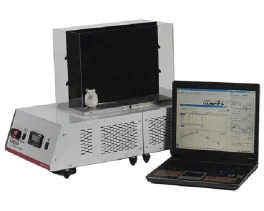
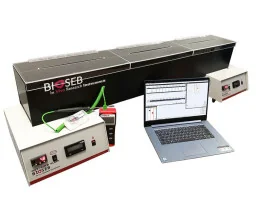
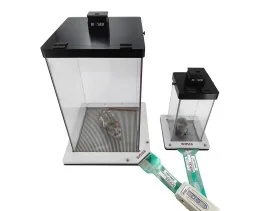
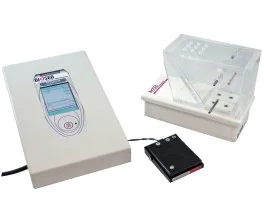
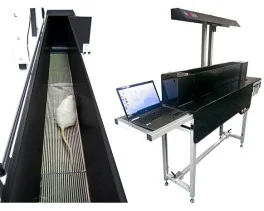
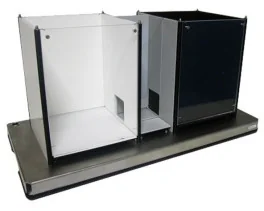
![Dynamic Weight Bearing 2.0 – Postural Module [Add-on]](https://bioseb.com/733-home_default/dynamic-weight-bearing-20-add-on-postural-module.jpg)
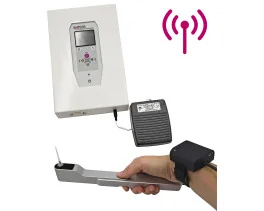
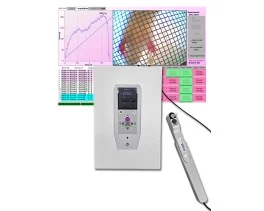
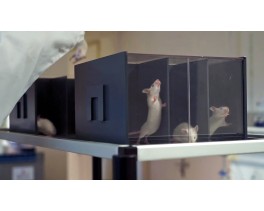


 Pain
Pain Central Nervous System (CNS)
 Neurodegeneration
 Sensory system
 Motor control
 Mood Disorders
 Other disorders
 Muscular system
 Joints
 Metabolism
 Cross-disciplinary subjects
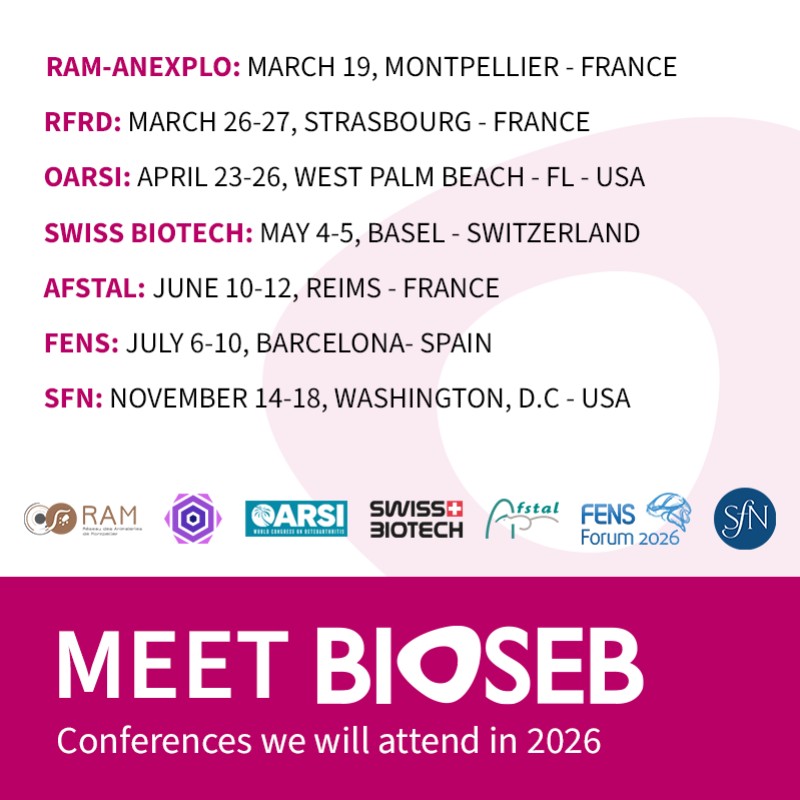 CONFERENCES & MEETINGS 2026
 Authors
Ting Yang, Ziwen Gao, Hui Huang, Chanyuan Zhang, Yiquan Tang, Qianhui Qu, Huabin Li, Jing Ke, Zhiji Chen, Menglong Feng, Hu Zhou, Yilai Shu, Wei Yuan
Lab
Shanghai; China
Journal
Advanced Science
Abstract
This study has several limitations that should be addressed in future work. (1) Although previous studies have shown that Bifidobacterium and Lactobacillus can modulate tryptophan–5-HTP metabolism to influence central nervous system disorders via the gut–brain axis [40,41] and in vitro evidence has indicated that the gut microbiota from both rats and humans can directly produce 5-HTP [39,42,43], the causal relationships and detailed mechanisms by which specific species identified in this study cooperatively or competitively regulate tryptophan–5-HTP metabolism through the gut–inner ear axis remain unclear. Future studies should employ mono-colonization experiments to establish direct causality and elucidate the underlying regulatory mechanisms. (2) Although prebiotic and probiotic interventions have shown favorable safety profiles in broad clinical contexts [66,68], their application in otology remains nascent. Our study employed C57BL/6J mice and HEI-OC1 cells—the most widely used and well-characterized models in ARHL research [58,73-75].Nevertheless, clinical translation will require validation across additional disease-relevant inner ear cell types and multicellular systems, as well as long-term functional efficacy and safety assessments in primate models. Future work will leverage cochlear organoids and organotypic explants to capture multicellular interactions and lateral-wall physiology, and will integrate spatial multi-omics analyses with single-cell sequencing data to generate cell type–resolved, spatially contextualized maps of microbiota-mediated aging pathways within the inner ear. (3) While grip strength assessment provides a valuable preliminary functional readout, this single measure is insufficient to comprehensively capture the complexity of muscle metabolism, repair, and overall functional status. Future studies should adopt a more integrated assessment framework, incorporating measures such as leg press strength, gait analysis, muscle mass, and omics profiling, to more fully elucidate the broad impact of the gut microbiota on systemic health and age-related decline. (4) When the 12m_M and 12m_S groups were compared, the differences in the F/B ratio and bacterial community similarity showed a trend but did not reach statistical significance. This may be because, unlike in human studies, even the best-hearing 12m C57BL/6J mice exhibit mild-to-moderate hearing loss, particularly at high frequencies. This baseline pathology may limit the discernible divergence in these broad, aggregate microbiota metrics. Interestingly, analyses of the abundances of specific taxa revealed numerous differentially abundant bacteria between the two groups (Figure4A–C; FigureS2C,F,H). This suggests that specific bacterial taxa or their functions—rather than overall community similarity—may be more sensitive indicators of auditory performance within the same age cohort. (5) Our multi-omics dataset revealed additional metabolites, such as adenine 5'-monophosphate, D-mannose 1-phosphate, ascorbic acid, and D-raffinose, whose levels strongly correlate with multiple components of the integrative network (Figure6B). These metabolites may serve as key gut-derived or microbiota-regulated hub molecules, and further investigation of their roles in ARHL pathogenesis and therapeutic potential are warranted.
Keywords/Topics
5-hydroxytryptophan; age-related hearing loss; fecal microbiota transplantation; germ-free mice; gut microbiota; multi-omics integration
BIOSEB Instruments Used:
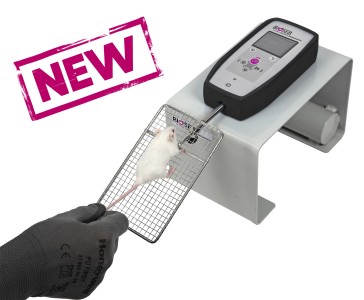
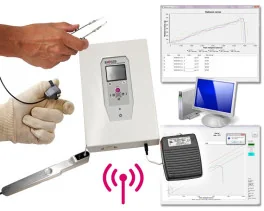
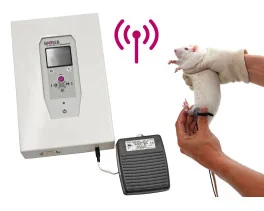
Grip strength test (BIO-GS4)
Source :
https://advanced.onlinelibrary.wiley.com/doi/abs/10.1002/advs.202514269