
 Activity, Motor Control & Coordination
 Pain - Thermal Allodynia / Hyperalgesia
 Pain - Spontaneous Pain - Postural Deficit
 Pain - Mechanical Allodynia / Hyperalgesia
 Anxiety & Depression Disorder
 Learning/Memory - Attention - Addiction
 Physiology & Respiratory Research
 Metabolism & Nutrition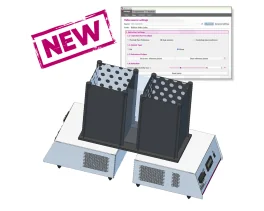
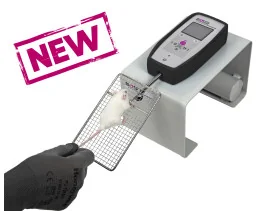
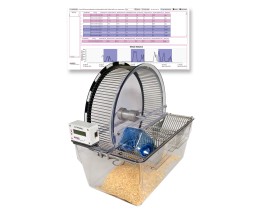
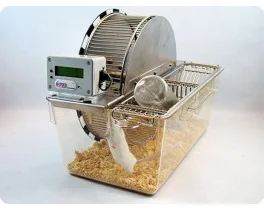
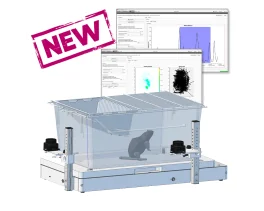
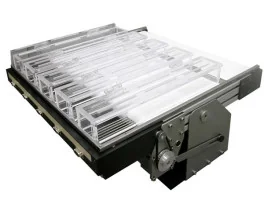
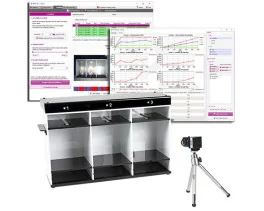
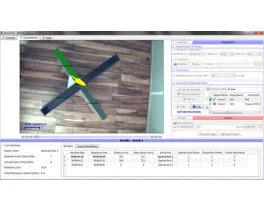
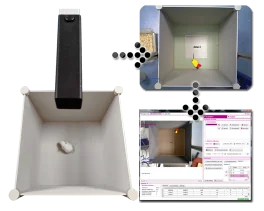
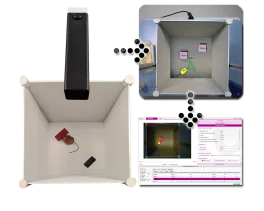
![Dynamic Weight Bearing 2.0 – Postural Module [Add-on]](https://bioseb.com/733-home_default/dynamic-weight-bearing-20-add-on-postural-module.jpg)





 Pain
Pain Central Nervous System (CNS)
 Neurodegeneration
 Sensory system
 Motor control
 Mood Disorders
 Other disorders
 Muscular system
 Joints
 Metabolism
 Cross-disciplinary subjects
 CONFERENCES & MEETINGS 2026
 Authors
Landa, Jon, Serafim, Ana Beatriz, Alba, Mercedes, Maudes, Estibaliz, Molina-Porcel, Laura, Garcia-Serra, Anna, Mannara, Francesco, Dalmau, Josep, Graus, Francesc, Sabater, Lidia
Lab
Journal
Frontiers in Immunology
Abstract
Background: Anti-IgLON5 disease is a neurological disorder characterized by autoantibodies against IgLON5, and pathological evidence of neurodegeneration. IgLON5 is a cell adhesion molecule of unknown function that is highly expressed in brain. Our aim was to investigate the impact of IgLON5 loss-of-function evaluating the brain morphology, social behavior, and the development of symptoms observed in an IgLON5 knockout (IgLON5-KO) mouse model.The IgLON5-KO mouse was obtained with CRISPR-Cas9 technology. Immunohistochemistry on fixed sagittal brain sections and western blot brain lysates were used to confirm IgLON5 silencing and to evaluate the presence of other cell surface proteins. Two-month old IgLON5-KO and wildtype (WT) mice underwent a comprehensive battery of behavioral tests to asses: 1) locomotion; 2) memory; 3) anxiety; 4) social interaction and 5) depressive-like behavior. Brain sections were examined for the presence of anatomical abnormalities and deposits of hyperphosphorylated tau in young adults (2-month old) and aged (22-month old) mice.Results: Mice did not develop neurological symptoms reminiscent of those seen in patients with anti-IgLON5 disease. Behavioral testing revealed that 2-month old IgLON5-KO mice showed subtle alterations in motor coordination and balance. IgLON5-KO females exhibit hyperactivity during night and day and in males, we observed a depressive-like behavior and, excessive nest building behavior. Neuropathological studies did not reveal brain morphological alterations or hyperphophorylated tau deposits.Conclusions: IgLON5-KO mice show subtle alterations in behavior and deficits in fine motor coordination but do not develop the clinical phenotype of anti-IgLON5 disease.
Keywords/Topics
Autoinflammatory Disorders ; Iglon5 ; animal model ; knockout ;behavior ( mice ) ;anti - IgLON5 antibody encephalopathy
BIOSEB Instruments Used:
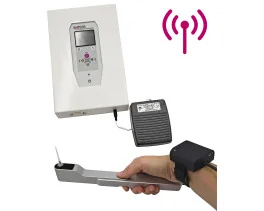
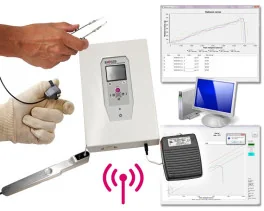
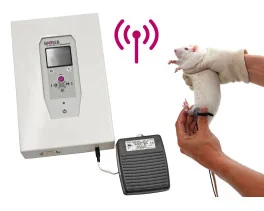
Tail Suspension Test - Wireless (BIO-TST5)
Source :
https://www.frontiersin.org/journals/immunology/articles/10.3389/fimmu.2024.1347948/full