
 Activity, Motor Control & Coordination
 Pain - Thermal Allodynia / Hyperalgesia
 Pain - Spontaneous Pain - Postural Deficit
 Pain - Mechanical Allodynia / Hyperalgesia
 Anxiety & Depression Disorder
 Learning/Memory - Attention - Addiction
 Physiology & Respiratory Research
 Metabolism & Nutrition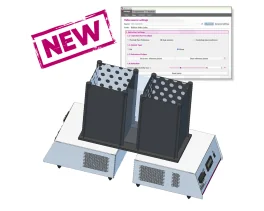
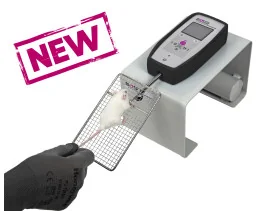
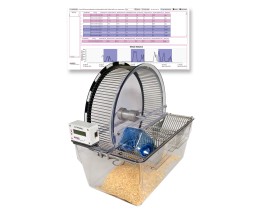
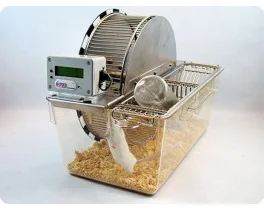
![Dynamic Weight Bearing 2.0 – Postural Module [Add-on]](https://bioseb.com/733-home_default/dynamic-weight-bearing-20-add-on-postural-module.jpg)



 Pain
Pain Central Nervous System (CNS)
 Neurodegeneration
 Sensory system
 Motor control
 Mood Disorders
 Other disorders
 Muscular system
 Joints
 Metabolism
 Cross-disciplinary subjects
 CONFERENCES & MEETINGS 2026
 Authors
Sin Ho Kweon, Hye Guk Ryu, Hyeonwoo Park, Saebom Lee, Namshik Kim, Seung-Hwan Kwon, Shi-Xun Ma, Sangjune Kim, Han Seok Ko
Lab
Journal
bioRxiv
Abstract
Mutations in theGBA1gene have been identified as a prevalent genetic risk factor for Parkinson's disease (PD).GBA1mutations impair enzymatic activity, leading to lysosomal dysfunction and elevated levels ofAlpha-synuclein (Alpha-syn). While most research has primarily focused on GBA1's role in promoting synucleinopathy, emerging evidence suggests that neuroinflammation may be a key pathogenic alteration caused by GBA1 deficiency. To examine the molecular mechanism underlying GBA1 deficiency-mediated neuroinflammation, we generatedGba1E326K knock-in (KI) mice using the CRISPR/Cas9 technology, which is linked to an increased risk of PD and dementia with Lewy bodies (DLB). In the ventral midbrain and hippocampus of 24-month-oldGba1E326K KI mice, we found a moderate decline in GBA1 enzymatic activity, a buildup of glucosylceramide, and an increase in microglia density. Furthermore, we observed increased levels of pro-inflammatory cytokines and formation of reactive astrocytes in primary microglia and astrocytes, respectively, cultured fromGba1E326K KI mice following treatment with pathologicAlpha-syn preformed fibrils (PFF). Additionally, the gut inoculation ofAlpha-syn PFF inGba1E326K KI mice significantly enhanced the accumulation of Lewy bodies in the dentate gyrus of the hippocampus, accompanied by aggravated neuroinflammation and exacerbated non-motor symptoms. This research significantly enhances our understanding of theGba1E326K mutation's involvement in neuroinflammation and the cell-to-cell transmission of pathogenicAlpha-syn in the brain, thereby opening new therapeutic avenues.
Keywords/Topics
linking;mutation;microglia;activation;age-dependent;dopaminergic;neurodegeneration;mutations;identified;prevalent
BIOSEB Instruments Used:
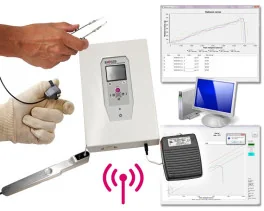
Grip strength test (BIO-GS4)
Source :
