
 Activity, Motor Control & Coordination
 Pain - Thermal Allodynia / Hyperalgesia
 Pain - Spontaneous Pain - Postural Deficit
 Pain - Mechanical Allodynia / Hyperalgesia
 Anxiety & Depression Disorder
 Learning/Memory - Attention - Addiction
 Physiology & Respiratory Research
 Metabolism & Nutrition






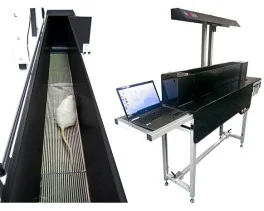
![Dynamic Weight Bearing 2.0 – Postural Module [Add-on]](https://bioseb.com/733-home_default/dynamic-weight-bearing-20-add-on-postural-module.jpg)



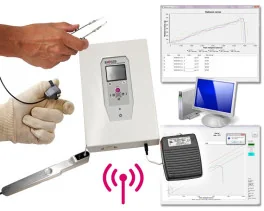










 Pain
Pain Central Nervous System (CNS)
 Neurodegeneration
 Sensory system
 Motor control
 Mood Disorders
 Other disorders
 Muscular system
 Joints
 Metabolism
 Cross-disciplinary subjects
 CONFERENCES & MEETINGS 2026
 Authors
Liu, Jidong, Xiao, Fang, Choubey, Abhinav, Kumar S, Udhaya, Wang, Yanxiang, Hong, Sungguan, Yang, Tingting, Otlu, Husniye Gul, Oturmaz, Ege Sanem, Loro, Emanuele, Sun, Yuxiang, Saha, Pradip, Khurana, Tejvir S., Chen, Li, Hou, Xinguo, Sun, Zheng
Lab
Journal
Nature Communications
Abstract
The best time of the day for chronic exercise training and the mechanism underlying the timing effects is unclear. Here, we show that low-intensity, low-volume LE8700TS training in mice before sleep yields greater benefits than after waking for muscle contractile performance and systemic glucose tolerance. Baseline muscle performance also exhibits diurnal variations, with higher strength but lower endurance before sleep than after waking. Muscle-specific knockout of circadian clock genes Rev-erbα/β (Rev-MKO) in male mice eradicates the diurnal variations in both training and baseline conditions without affecting muscle mass, mitochondrial content, food intake, or spontaneous activities. Multi-omics and metabolic measurements reveal that Rev-erb suppresses fatty acid oxidation and promotes carbohydrate metabolism before sleep. Thus, the muscle-autonomous clock, not feeding or locomotor behaviors, dictates diurnal variations of muscle functions and time-dependent adaptations to training, which has broad implications in metabolic disorders and sports medicine as Rev-erb agonists are exercise mimetics or enhancers. Here, the authors show that low-intensity exercise training in mice before sleep yields greater benefits than after waking for muscle contractile performance and systemic glucose tolerance, a phenomenon abolished by muscle-specific knockout of circadian clock genes Rev-erbα/β.
Keywords/Topics
Fat metabolism; Metabolic syndrome; Translational research
BIOSEB Instruments Used:
Grip strength test (BIO-GS4)
Source :