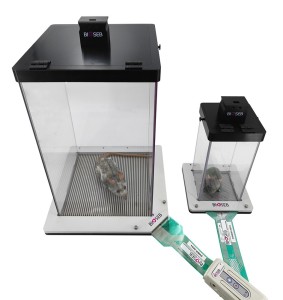
 Activity, Motor Control & Coordination
 Pain - Thermal Allodynia / Hyperalgesia
 Pain - Spontaneous Pain - Postural Deficit
 Pain - Mechanical Allodynia / Hyperalgesia
 Anxiety & Depression Disorder
 Learning/Memory - Attention - Addiction
 Physiology & Respiratory Research
 Metabolism & Nutrition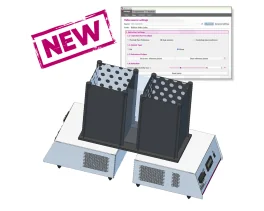
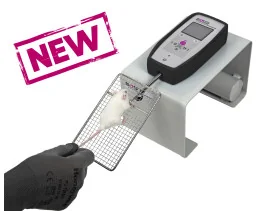
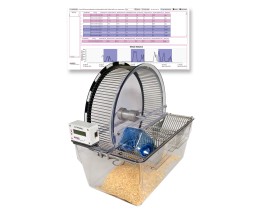
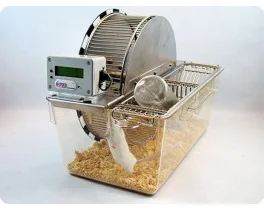
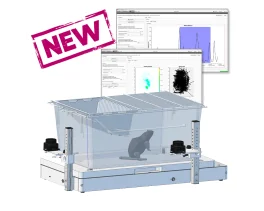
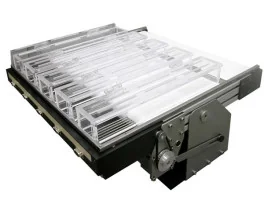
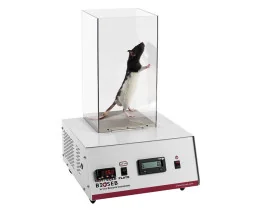
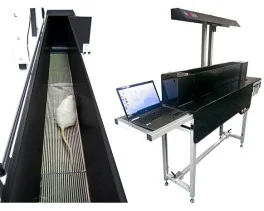
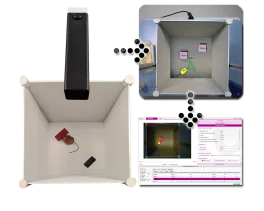
![Dynamic Weight Bearing 2.0 – Postural Module [Add-on]](https://bioseb.com/733-home_default/dynamic-weight-bearing-20-add-on-postural-module.jpg)



 Pain
Pain Central Nervous System (CNS)
 Neurodegeneration
 Sensory system
 Motor control
 Mood Disorders
 Other disorders
 Muscular system
 Joints
 Metabolism
 Cross-disciplinary subjects
 CONFERENCES & MEETINGS 2026
 Authors
Horvth, dm Istvn, Blcskei, Kata, Szentes, Nikolett, Borbly, va, Tkus, Valria, Botz, Blint, Rusznk, Kitti, Futcsi, Anett, Czh, Boldizsr, Mtyus, Pter, Helyes, Zsuzsanna
Lab
Journal
Frontiers in Pharmacology
Abstract
Introduction: Monoiodoacetate (MIA)-induced osteoarthritis (OA) is the most commonly used rodent model to test anti-OA drug candidates. Here we investigated the effects of our patented multi-target drug candidate SZV-1287 [3-(4,5-diphenyl-1,3-oxazol-2-yl) propanal oxime] which is currently under clinical development for neuropathic pain, and characterized the model with complex functional, in vivo imaging and morphological techniques. Methods: Knee OA was induced by intraarticular MIA injection (0.5 and 0.8 mg). Spontaneous pain was assessed by weight distribution, referred pain by paw mechanonociception (esthesiometry), edema by caliper, neutrophil myeloperoxidase activity by luminescence, matrix metalloproteinase activity, vascular leakage and bone remodeling by fluorescence imaging, bone morphology by micro-CT, histopathological alterations by semiquantitative scoring, glia activation by immunohistochemistry. SZV-1287 (20 mg/kg/day) or its vehicle was injected intraperitoneally during the 21-day period. Results: MIA induced remarkable weight bearing and paw withdrawal threshold decrease, tibia and femur structural bone alterations (reactive sclerosis, increased trabeculation and cortical erosions), histopathological damage (disorganized cartilage structure, hypocellularity, decreased matrix staining and tidemark integrity, increased synovial hyperplasia and osteophyte formation), astrocyte and microglia density in the lumbar spinal cord. Major differences were not observed between the two MIA doses in most outcome measures. SZV-1287 inhibited MIA-induced weight bearing reduction, hyperalgesia, edema, myeloperoxidase activity, histopathological damage, astrocyte and microglia density. Conclusions: SZV-1287 may have disease-modifying potential by exerting analgesic, anti-inflammatory and chondroprotective effects. The MIA model is valuable for investigating OA-related mechanisms and testing compounds in mice with the optimal dose of 0.5 mg.
Keywords/Topics
osteoarthritic pain ; analgesic drug development; semicarbazide - sensitive amine oxidase ; amine oxidase copper containing 3 ;vascular
BIOSEB Instruments Used:
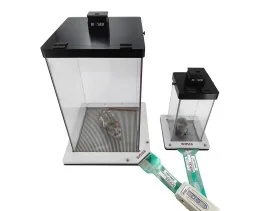
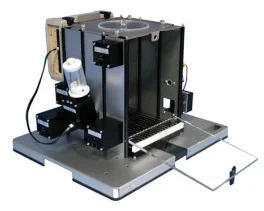
Dynamic Weight Bearing 2.0 (BIO-DWB-DUAL)
Source :
https://www.frontiersin.org/journals/pharmacology/articles/10.3389/fphar.2024.1377081/full