 Activity, Motor Control & Coordination
 Pain - Thermal Allodynia / Hyperalgesia
 Pain - Spontaneous Pain - Postural Deficit
 Pain - Mechanical Allodynia / Hyperalgesia
 Anxiety & Depression Disorder
 Learning/Memory - Attention - Addiction
 Physiology & Respiratory Research
 Metabolism & Nutrition
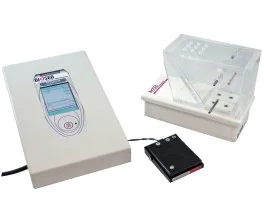
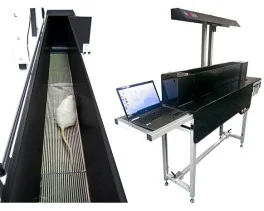
![Dynamic Weight Bearing 2.0 – Postural Module [Add-on]](https://bioseb.com/733-home_default/dynamic-weight-bearing-20-add-on-postural-module.jpg)
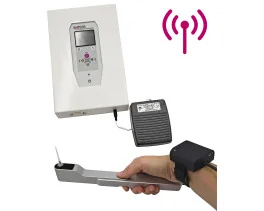

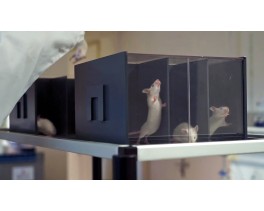



 Pain
Pain Central Nervous System (CNS)
 Neurodegeneration
 Sensory system
 Motor control
 Mood Disorders
 Other disorders
 Muscular system
 Joints
 Metabolism
 Cross-disciplinary subjects
 CONFERENCES & MEETINGS 2026
 Authors
Jiangping Pan, Carlos A. Toro, Christine Chow, Yorley Duarte, Juan C. Sáez, Christopher P. Cardozo, Wei Zhao
Lab
Journal
PAIN Reports
Abstract
The SNI model is a commonly used model in rodents to study neuropathic pain. Spared nerve injury leads to mechanical allodynia, which develops 3 days after injury and lasts between 4 weeks and 12 months in mice.28Spared nerve injury also leads to thermal hypersensitivity and weight-bearing deficits. In this study, we administered boldine through a customized diet to avoid potential stress associated with gavage or injections. Boldine is a bitter alkaloid and there is no added flavor in the diet, and one potential risk is that the bitter taste might negatively affect food intake in the boldine treatment group. We monitored food consumption and did not observe any difference between experimental groups, suggesting that the bitter taste does not have any influence on food intake. We found that oral administration of boldine could prevent SNI-induced mechanical allodynia at 3, 7, and 14 dpi. A potential confound is whether boldine could impair locomotor function which could slow or weaken paw withdrawal responses to mechanical stimulus. Several lines of evidence argue against this possibility. First, boldine did not alter the withdraw threshold on the contralateral hind paw; second, a recent study from our laboratory showed no effect of boldine (50 mg/kg/d) on muscle weights in a mouse model of spinal cord injury51; third, the pharmacological effects of boldine have been studied in naive and multiple rodent models of disease without any reported defects in motor function.52Boldine prevented SNI-induced thermal hypersensitivity and weight-bearing deficit at 7 dpi. We did not observe boldine-mediated prevention of mechanical allodynia or weight-bearing deficits at 3 dpi, which might be partially attributed to possible neophobia to the diet (ie, receiving a lower dose of boldine for the first several days). Unlike mechanical allodynia, which is likely to have central mechanisms,18thermal pain responses or weight-bearing deficits started to recover at 14 dpi, suggesting potential different underlying mechanisms, possibly peripheral in origin.
Keywords/Topics
rodents; neuropathic pain; mechanical allodynia; mice 28spared nerve injury; oral administration; locomotor function; mechanical stimulus; our laboratory; spared nerve injury; which
BIOSEB Instruments Used:
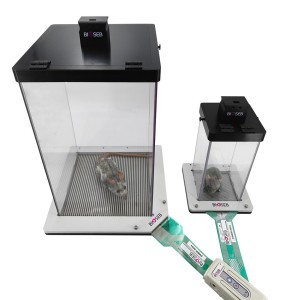
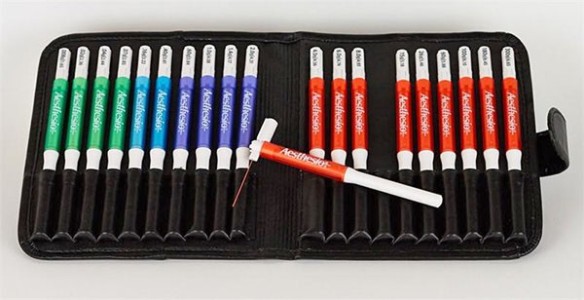
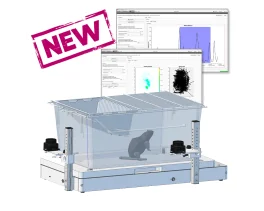
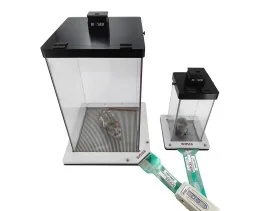
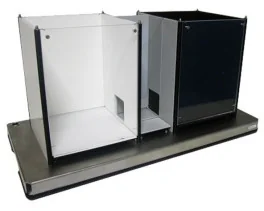
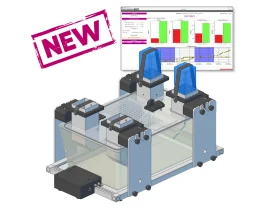
Dynamic Weight Bearing 2.0 (BIO-DWB-DUAL),Von Frey Filaments (BIO-VF-M)
Source :