
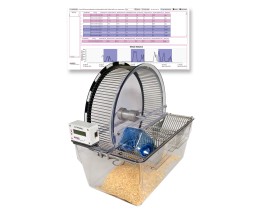
 Activity, Motor Control & Coordination
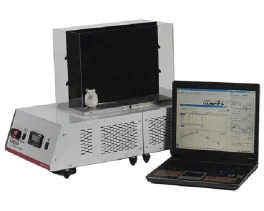
 Pain - Thermal Allodynia / Hyperalgesia
 Pain - Spontaneous Pain - Postural Deficit
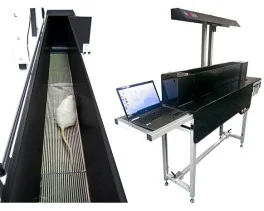
 Pain - Mechanical Allodynia / Hyperalgesia
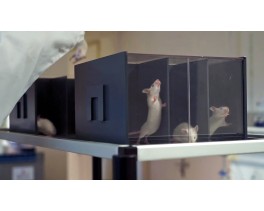
 Anxiety & Depression Disorder
 Learning/Memory - Attention - Addiction
 Physiology & Respiratory Research
 Metabolism & Nutrition








![Dynamic Weight Bearing 2.0 – Postural Module [Add-on]](https://bioseb.com/733-home_default/dynamic-weight-bearing-20-add-on-postural-module.jpg)



















 Pain
Pain Central Nervous System (CNS)
 Neurodegeneration
 Sensory system
 Motor control
 Mood Disorders
 Other disorders
 Muscular system
 Joints
 Metabolism
 Cross-disciplinary subjects
 CONFERENCES & MEETINGS 2026
 Authors
Wouter R. P. H. van de Worp, Jan Theys, Cecile J. A. Wolfs, Frank Verhaegen, Annemie M. W. J. Schols, Ardy van Helvoort, Ramon C. J. Langen
Lab
Journal
Journal of Cachexia, Sarcopenia and Muscle
Abstract
Cancer cachexia is recognized as a predictor of poor clinical outcome, decreased survival, and limited efficacy of cancer treatment.4In addition, muscle wasting is an important contributing factor to muscle weakness in cachexia, which adversely affects performance status, quality of life and hospitalization risk of cancer patients. In this study, we tested the therapeutic effect of a multinutrient intervention diet on the development of cancer cachexia in an orthotopic lung cancer mouse model. We showed for the first time that an intervention diet delays the cachexia endpoint and progression of body weight loss. Importantly, the multinutrient intervention diet does not increase tumour volume despite the fact that it contains nutrients that are known for their anabolic effects on muscle protein synthesis. Our findings in the orthotopic lung cancer mouse model extend observations in previous studies in which C26 tumour-bearing mice were treated with a similar multinutrient diet, referred to as specific nutritional combination (SNC) diet. The main difference between the intervention diet and SNC diet is the source of protein (whey vs. casein) and the presence of vitamin D. In C26 tumour-bearing mice, the SNC diet significantly improved body weight, eWAT and muscle mass compared with tumour-bearing control.33,34In contrast, in the current study we did not observe significant effects of the intervention diet on eWAT and muscle wet mass. This discrepancy can be attributed to differences in the experimental design. The intervention studies in the C26 tumour-bearing mice were stopped at a fixed time point (day 20 after tumour inoculation), while in this study we continued until the mice developed cachexia. Unique for our study is the longitudinal assessment of muscle mass by CBCT, which provides additional information on the dynamics and the timing of muscle mass loss. The longitudinal assessment of the muscle mass and concurrent assessment of muscle function indicates that the delayed cachexia endpoint is accompanied by a prolonged maintenance of muscle mass and function in the intervention group. Previously, Norren et al. showed that muscle function (measured ex vivo) was improved and total daily activity was normalized after intervention with the SNC diet.34In oesophageal cancer patients, a 4-week intervention study showed that the SNC diet significantly improved body weight and EOCG performance status compared with routine care.35Altogether these findings provide (pre)clinical evidence that the multitarget, multinutrient intervention diet positively modulates the cachectic endpoint and progression of cachexia. This is highly relevant as a delayed onset and progression of cachexia potentially provides increased systemic tolerance to cancer treatment and consequently prolonged survival.
Keywords/Topics
targeted;nutritional;intervention;attenuates;experimental;cancer;cachexia;recognized;predictor;clinical
BIOSEB Instruments Used:
Grip strength test (BIO-GS4)
Source :
