
 Activity, Motor Control & Coordination
 Pain - Thermal Allodynia / Hyperalgesia
 Pain - Spontaneous Pain - Postural Deficit
 Pain - Mechanical Allodynia / Hyperalgesia
 Anxiety & Depression Disorder
 Learning/Memory - Attention - Addiction
 Physiology & Respiratory Research
 Metabolism & Nutrition






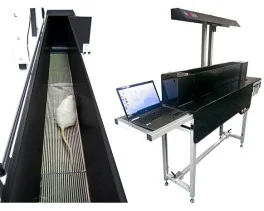
![Dynamic Weight Bearing 2.0 – Postural Module [Add-on]](https://bioseb.com/733-home_default/dynamic-weight-bearing-20-add-on-postural-module.jpg)




















 Pain
Pain Central Nervous System (CNS)
 Neurodegeneration
 Sensory system
 Motor control
 Mood Disorders
 Other disorders
 Muscular system
 Joints
 Metabolism
 Cross-disciplinary subjects
 CONFERENCES & MEETINGS 2026
 Authors
Annemarie J. F. Westheim, Ludwig J. Dubois, Elia Prades-Sagarra, Jiyang Chan, Alexander M. A. van der Wiel, Natasja G. Lieuwes, Rianne Biemans, Ying Cong, Tom Houben, Dennis M. Meesters, Ala Yaromina, Miriam van Dijk, Jeroen van Bergenhenegouwen, Ardy van Helvoort, Ramon C. J. Langen, John Penders, Ronit Shiri-Sverdlov, Jan Theys
Lab
Journal
Molecular Nutrition & Food Research
Abstract
Multiple studies have explored the gut microbiota composition as a potential biomarker for predicting ICI efficacy. Although there is no consensus yet on the role of the microbiome (microbiota and their metabolites), a more diverse microbiome is generally considered advantageous [13]. Associations between fiber-rich diets and improved responses to ICI and RT [18,23], might partly be related to the fibers’ modulatory effects on the gut microbiota composition. In our study, compositions 2 and 3 did not enhance microbiota diversity, possibly because the fibers in these compositions may be metabolized selectively by specific microbes. Previously, it has been reported that increased fiber intake can lead to a decreased microbial diversity [32,33], because specific fiber-degrading taxa tend to expand upon fiber-rich diets. When dietary ingredients are utilized by a wide variety of microbes, the result is a modest growth of many different microbial species, however, when specific fibers are only metabolized by a few specific microbes, mainly these specific microbes experience growth, leading to a lower microbial diversity [32,33]. This principle has previously also been demonstrated with fibers used in the tested compositions. For example, healthy mice fed an oat beta-glucan-enriched diet (present in composition 3) for 8 weeks exhibited reduced microbial diversity in colonic digesta compared to those on the AIN-93 diet with corn-starch [34]. Similarly, mice on a high-fat diet (HFD) supplemented with arabinoxylan oligosaccharides (present in compositions 2 and 3) had lower fecal microbial diversity than those on HFD alone or control diet with corn-starch [35]. Additionally, a study comparing cellulose and inulin intake in mice over 88 days found significantly higher microbial diversity in the cellulose group [36]. Beyond microbial diversity, also the gut microbiota community structure was explored. We observed different gut microbiota community structures between the three fiber compositions at all time-points (prior RT, after RT/IT, and at sacrifice). Following, we explored whether specific microbes could be associated with therapeutic outcome. Current literature describes favorable profiles, characterized by the presence of various members from theLachnospiraceaeandRuminococcaceaefamilies, as well as species from theFaecalibacterium,Akkermansia, andBifidobacteriumgenera, as being linked to improved ICI treatment outcomes [37-40] andBacteriodeshas been linked to worse ICI outcome [13]. In line with these data, we observed thatBacteriodeswas more abundant in fecal samples collected at sacrifice from non-cured mice compared to cured mice. Moreover, we observed, for the first time, a positive association between abundance ofAtopobiaceae Family(at sacrifice) and curative outcome of RT/IT treatment. Nonetheless, based on this cross-sectional microbiome analysis at endpoint, we cannot validly say that there are clinical better results in composition 1. This is for the reason we lack power for responder versus non-responder comparisons on a diet level, with only one cured animal in compositions 2 and 3, versus four in composition 1. In conclusion, identifying gut microbiota composition signatures associated with RT/IT efficacy remains challenging and further investigation into the specific mechanisms at play is essential to optimize dietary fiber compositions for therapeutic benefits.
Keywords/Topics
cancer; diet; fiber; immunotherapy; radiotherapy
BIOSEB Instruments Used:
Grip strength test (BIO-GS4)
Source :