
 Activity, Motor Control & Coordination
 Pain - Thermal Allodynia / Hyperalgesia
 Pain - Spontaneous Pain - Postural Deficit
 Pain - Mechanical Allodynia / Hyperalgesia
 Anxiety & Depression Disorder
 Learning/Memory - Attention - Addiction
 Physiology & Respiratory Research
 Metabolism & Nutrition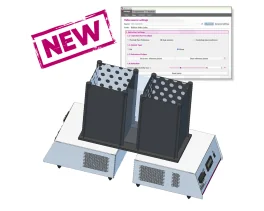
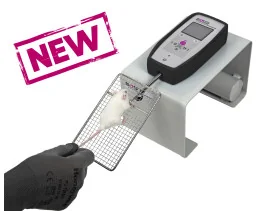
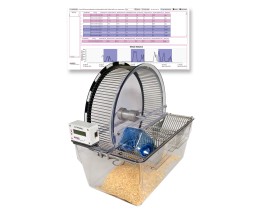
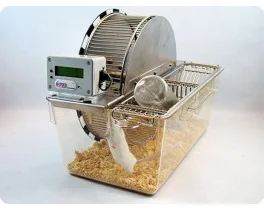
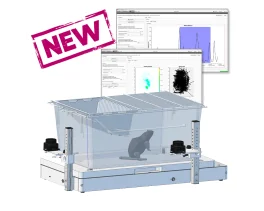
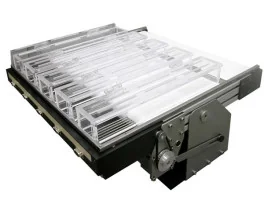
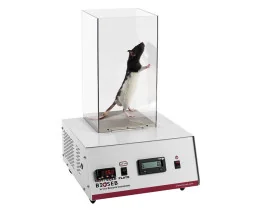
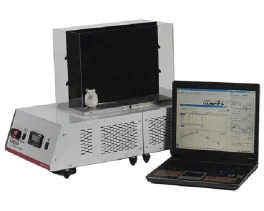
![Dynamic Weight Bearing 2.0 – Postural Module [Add-on]](https://bioseb.com/733-home_default/dynamic-weight-bearing-20-add-on-postural-module.jpg)


 Pain
Pain Central Nervous System (CNS)
 Neurodegeneration
 Sensory system
 Motor control
 Mood Disorders
 Other disorders
 Muscular system
 Joints
 Metabolism
 Cross-disciplinary subjects
 CONFERENCES & MEETINGS
 Authors
Etienne Mouisel, Anaïs Bodon, Christophe Noll, Stéphanie Cassant-Sourdy, Marie-Adeline Marques, Remy Flores-Flores, Elodie Riant, Camille Bergoglio, Pierre Vezin, Sylvie Caspar-Bauguil, Camille Fournes-Fraresso, Geneviève Tavernier, Khalil Acheikh Ibn Oumar, Pierre Gourdy, Denis P. Blondin, Pierre-Damien Denechaud, André C. Carpentier, Dominique Langin
Lab
Journal
Cell Metabolism
Abstract
Summary
Long-chain fatty acids (FAs) are the major substrates fueling brown adipose tissue (BAT) thermogenesis. Investigation of mouse models has previously called into question the contribution of brown adipocyte intracellular lipolysis to cold-induced non-shivering thermogenesis. Here, we determined the role of the lipolytic enzymes, adipose triglyceride lipase (ATGL) and hormone-sensitive lipase (HSL), in BAT thermogenesis. Brown fat from mice with inducible brown-adipocyte-specific deletion of ATGL and HSL (BAHKO) is hypertrophied with increased lipid droplet size and preserved mitochondria area and density. Maintenance of body temperature during cold exposure is compromised in BAHKO mice in the fasted but not in the fed state. This altered response to cold is observed in various thermal and nutritional conditions. Positron emission tomography-computed tomography using [11C]-acetate and [11C]-palmitate shows abolished cold-induced BAT oxidative activity and impaired FA metabolism in BAHKO mice. Our findings show that brown adipocyte intracellular lipolysis is required for BAT thermogenesis.
Keywords/Topics
brown adipose tissue; adipose triglyceride lipase; hormone-sensitive lipase; lipolysis; thermogenesis; body temperature; oxidative metabolism; lipid droplet; obesity; PET/CT; mouse models
Source :
https://www.cell.com/cell-metabolism/fulltext/S1550-4131(24)00414-5?dgcid=raven_jbs_aip_email