 Activity, Motor Control & Coordination
 Pain - Thermal Allodynia / Hyperalgesia
 Pain - Spontaneous Pain - Postural Deficit
 Pain - Mechanical Allodynia / Hyperalgesia
 Anxiety & Depression Disorder
 Learning/Memory - Attention - Addiction
 Physiology & Respiratory Research
 Metabolism & Nutrition
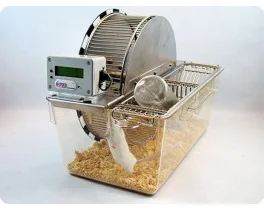
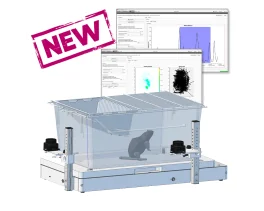

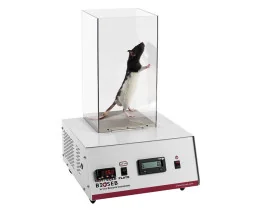
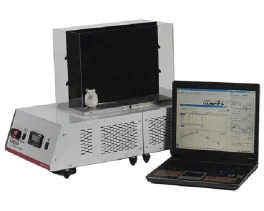
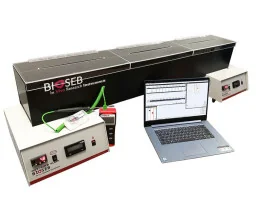
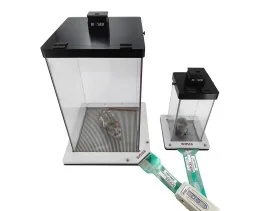

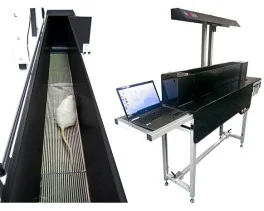
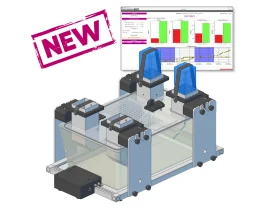
![Dynamic Weight Bearing 2.0 – Postural Module [Add-on]](https://bioseb.com/733-home_default/dynamic-weight-bearing-20-add-on-postural-module.jpg)
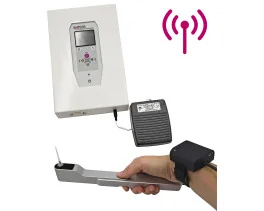






 Pain
Pain Central Nervous System (CNS)
 Neurodegeneration
 Sensory system
 Motor control
 Mood Disorders
 Other disorders
 Muscular system
 Joints
 Metabolism
 Cross-disciplinary subjects
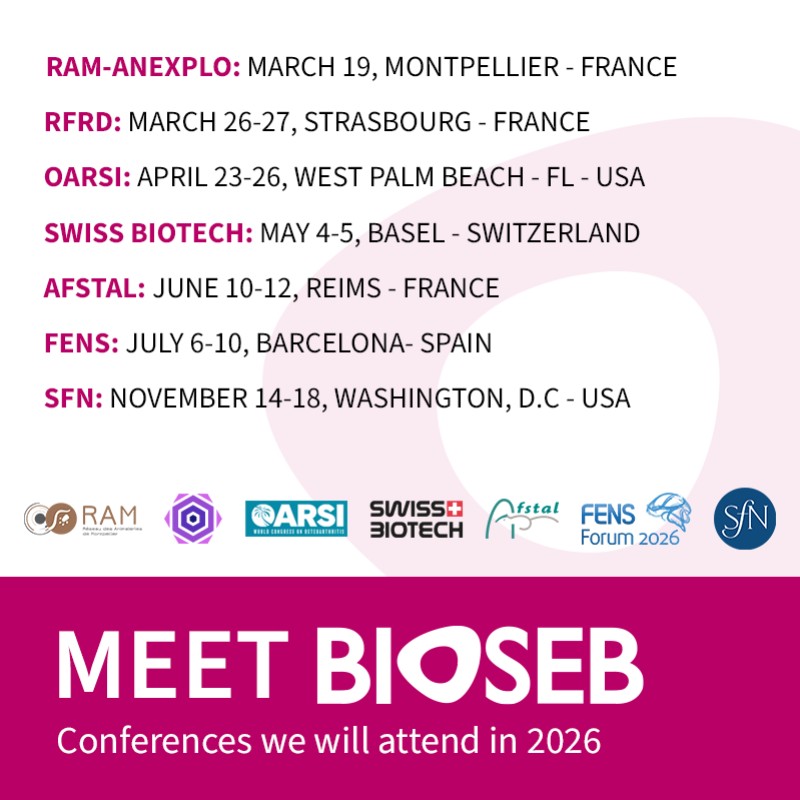 CONFERENCES & MEETINGS 2026
 Authors
Lingling Liu, Mingyue Tong, Jian Chen, Xianliang Rao
Lab
Journal
Abstract
Heavy metal exposure has become a critical environmental risk factor affecting stroke survivor prognosis. In this study, we first utilized data from the 2021–2023 National Health and Nutrition Examination Survey (NHANES) to develop a machine learning model for predicting stroke recovery outcomes. We evaluated the predictive performance of various machine learning models and identified the random forest model as the most effective. Notably, cadmium (Cd) was identified as the most influential heavy metal, showing a significant correlation with stroke recovery outcomes. Furthermore, multivariate regression analyses confirmed that elevated serum Cd levels were independently associated with poorer functional outcomes, as measured by standard clinical scales. In an animal model, we demonstrated that exposure to environmentally relevant doses of cadmium significantly promoted oxidative stress and inflammatory responses in mice. Specifically, Cd exposure led to increased production of reactive oxygen species and upregulation of pro-inflammatory cytokines, accompanied by activation of the NF-κB signaling pathway, which mediated post-stroke functional deficits. Moreover, pharmacological inhibition of NF-κB effectively mitigated these adverse effects, indicating a causal role of NF-κB in Cd-induced tissue damage. These findings highlight the potential benefits of monitoring heavy metal levels and intervening in cadmium exposure to improve stroke recovery strategies.
Keywords/Topics
Stroke survivor;Heavy metal;Machine learning;NF-κB;Oxidative Stress;
BIOSEB Instruments Used:
Grip strength test (BIO-GS4)
Source :