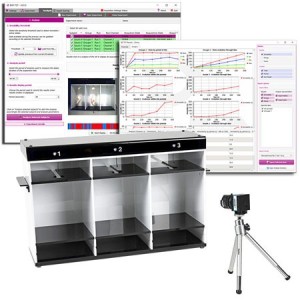
 Activity, Motor Control & Coordination
 Pain - Thermal Allodynia / Hyperalgesia
 Pain - Spontaneous Pain - Postural Deficit
 Pain - Mechanical Allodynia / Hyperalgesia
 Anxiety & Depression Disorder
 Learning/Memory - Attention - Addiction
 Physiology & Respiratory Research
 Metabolism & Nutrition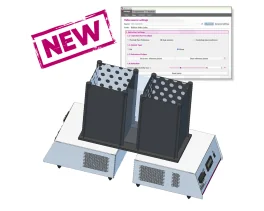
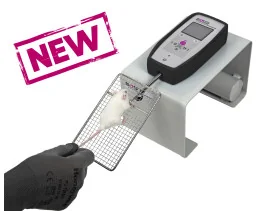
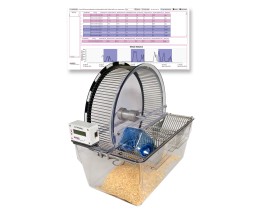
![Dynamic Weight Bearing 2.0 – Postural Module [Add-on]](https://bioseb.com/733-home_default/dynamic-weight-bearing-20-add-on-postural-module.jpg)



 Pain
Pain Central Nervous System (CNS)
 Neurodegeneration
 Sensory system
 Motor control
 Mood Disorders
 Other disorders
 Muscular system
 Joints
 Metabolism
 Cross-disciplinary subjects
 CONFERENCES & MEETINGS 2026
 Authors
Hiroaki Mori, Yuta Yoshino, Mariko Okano, Yu Funahashi, Hiroshi Kumon, Shinichiro Ochi, Jun-ichi Iga, Shu-ichi Ueno
Lab
Journal
Neuropsychopharmacology Reports
Abstract
In the present study,Fkbp5mRNA expression was correlated with stress-stimulated weight loss in depression model mice. Considering thatFkbp5is a regulator of body weight via autophagy [23], this result suggests that the increase inFkbp5mRNA expression due to chronic psychological stress may cause weight loss through the promotion of autophagy. As the central brain region for metabolic and weight control, the hypothalamus has been well-studied [13,23,50,51]. On the other hand, the hippocampus and midbrain are well-known as the central region for MDD [18,52-54] and are also thought to be involved in weight and metabolic control nowadays [55-57]. Therefore, we chose the hippocampus and midbrain as the research region for the connection between weight loss and depression. Several studies have implicated the autophagy pathway in the hypothalamus involved in weight regulation [14,23,50] and it has been suggested that the dysregulation of autophagy in the hypothalamus may influence body weight through impaired leptin signaling [58], glucose intolerance [59], and impaired sympathetic control of the peripheral metabolic organs [60]. It is possible that autophagy in the hippocampus and midbrain affects body weight by mechanisms similar to those in the hypothalamus. To elucidate these mechanisms, further research is needed.
Keywords/Topics
autophagy; chronic immobilization stress (CIS); depression; Fkbp5; stress-induced weight loss
BIOSEB Instruments Used:
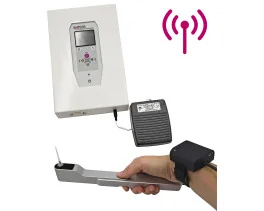
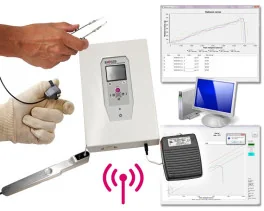
Tail Suspension Test - Wireless (BIO-TST5)
Source :