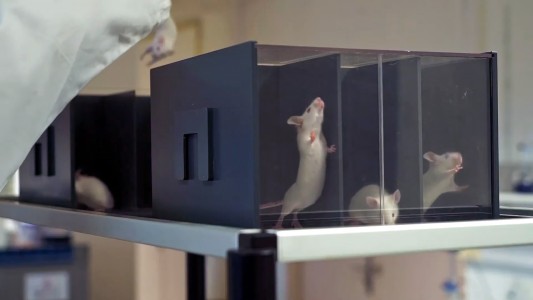
 Activity, Motor Control & Coordination
 Pain - Thermal Allodynia / Hyperalgesia
 Pain - Spontaneous Pain - Postural Deficit
 Pain - Mechanical Allodynia / Hyperalgesia
 Anxiety & Depression Disorder
 Learning/Memory - Attention - Addiction
 Physiology & Respiratory Research
 Metabolism & Nutrition
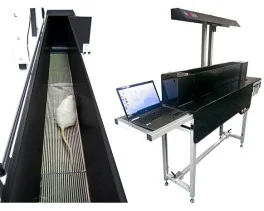
![Dynamic Weight Bearing 2.0 – Postural Module [Add-on]](https://bioseb.com/733-home_default/dynamic-weight-bearing-20-add-on-postural-module.jpg)



 Pain
Pain Central Nervous System (CNS)
 Neurodegeneration
 Sensory system
 Motor control
 Mood Disorders
 Other disorders
 Muscular system
 Joints
 Metabolism
 Cross-disciplinary subjects
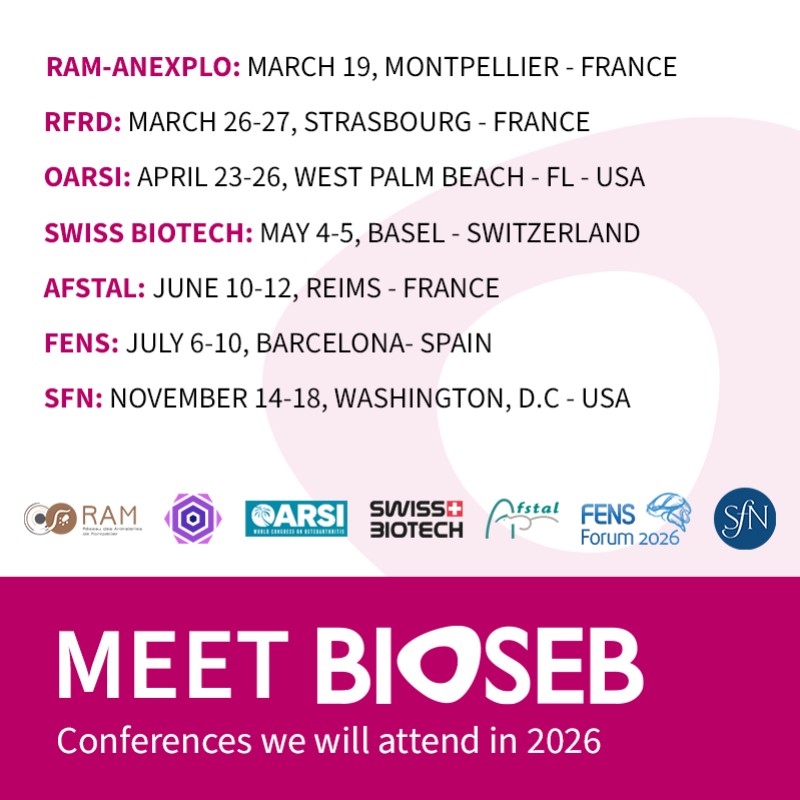 CONFERENCES & MEETINGS 2026
 Authors
Meissner, Svenja, Lopez, Salvador, Rees, Shaun, O'Carroll, Simon, Barker, David, Harland, Bruce, Raos, Brad, Svirskis, Darren
Lab
Journal
Scientific Reports
Abstract
Neurotrophic growth factor (GF) loaded hydrogels have shown promise as a treatment approach for spinal cord injury (SCI). However, SCI presents complex challenges for the direct administration of treatment due to the spinal cord's intricate anatomy and highly sensitive environment. Many current hydrogel administration approaches overlook this complexity, limiting their translational potential. To address this, we propose a novel intrathecal administration method using an in situ gelling, hyaluronic acid-modified heparin-poloxamer hydrogel loaded with neurotrophin-3 (NT-3) for the direct delivery of NT-3 to the spinal cord. We injected a NT-3 loaded hydrogel into the intrathecal space immediately after contusion SCI in Sprague Dawley (SpD) rats. Our results indicate that injecting the NT-3 loaded hydrogel into the intrathecal space was safe and that the gel was retained alongside the cord for at least one week. Additionally, no adverse effects were observed on rat behaviour. While functional improvement trends were noted, statistical significance was not reached, and immunohistochemistry results showed no significant difference between treatment groups. Overall, our findings suggest the feasibility, safety, and potential of the developed intrathecal administration technique for delivering diverse therapeutic molecules for SCI recovery.
Keywords/Topics
Sustained release ;Poloxamer hydrogel ;Tissue engineering; Intrathecal delivery ;Sprague Dawley rats ;Growth factors; Subjects Biomaterials; Neurotrophic factors ;Spinal cord diseases
BIOSEB Instruments Used:
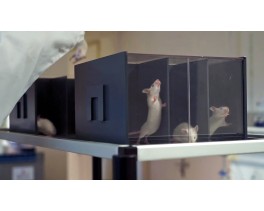
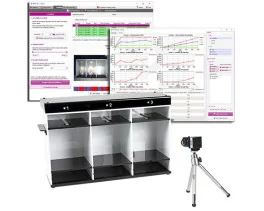
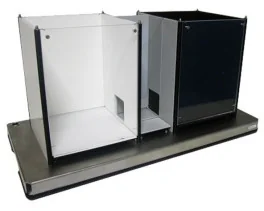
Modular holder cages for rats and mice (BIO-PVF)
Source :