 Activity, Motor Control & Coordination
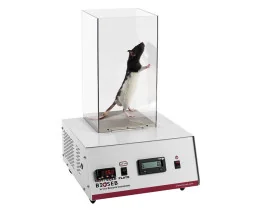
 Pain - Thermal Allodynia / Hyperalgesia
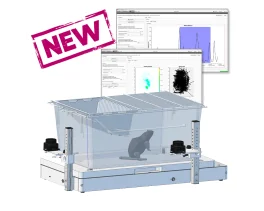
 Pain - Spontaneous Pain - Postural Deficit
 Pain - Mechanical Allodynia / Hyperalgesia
 Anxiety & Depression Disorder
 Learning/Memory - Attention - Addiction
 Physiology & Respiratory Research
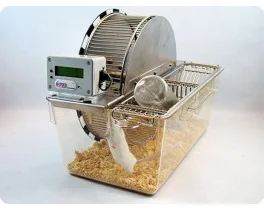
 Metabolism & Nutrition
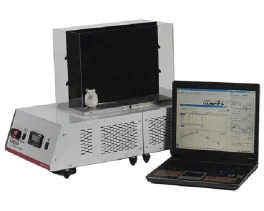
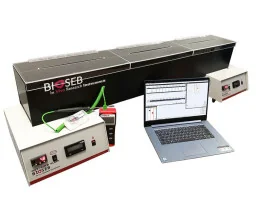
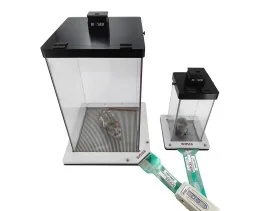
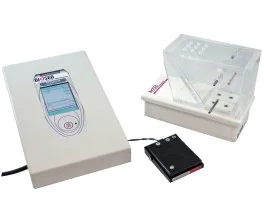
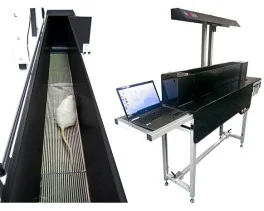
![Dynamic Weight Bearing 2.0 – Postural Module [Add-on]](https://bioseb.com/733-home_default/dynamic-weight-bearing-20-add-on-postural-module.jpg)
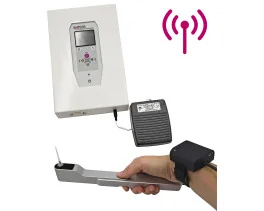

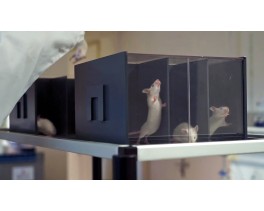
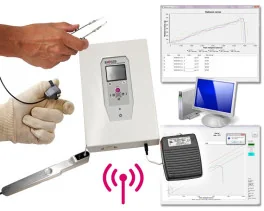



 Pain
Pain Central Nervous System (CNS)
 Neurodegeneration
 Sensory system
 Motor control
 Mood Disorders
 Other disorders
 Muscular system
 Joints
 Metabolism
 Cross-disciplinary subjects
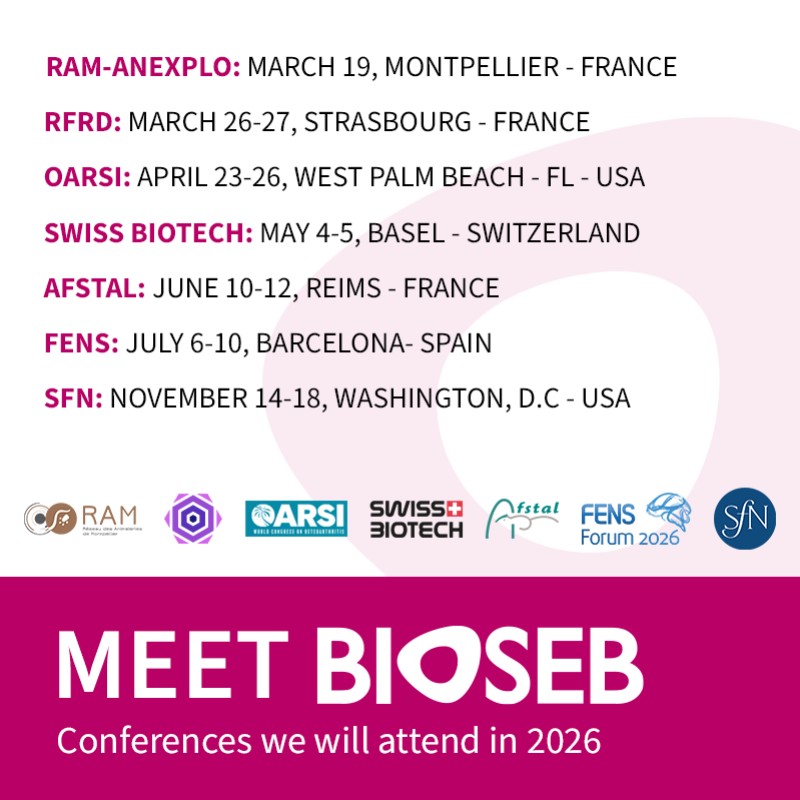 CONFERENCES & MEETINGS 2026
 Authors
Patrick J. Devlin, Romeesa Khan, Trang H. Do, Bryce E. West, Janelle M. Korf, Gary U. Guzman, Chunfeng Tan, John Ahn, Rene Flores, Micheal E. Maniskas, Sean P. Marrelli, Anna Malovannaya, Erica Underwood, Rodney M. Ritzel
Lab
San Francisco
Journal
bioRxiv
Abstract
Abstract
Traumatic brain injury (TBI) of any severity is associated with long-term systemic inflammation and increased risk of peripheral comorbidities, yet the mechanisms driving immune dysregulation and accelerated aging after repeated mild head impacts remain poorly defined. Here, we investigated the acute and chronic effects of repeated mild TBI (rmTBI) on distal and proximal bone marrow compartments in the femur and calvaria, respectively. Using a modified weight-drop mouse model delivering rotational and acceleration–deceleration forces (3 hits/week for up to 16 weeks), rmTBI produced no mortality, skull fracture, hemorrhage, or brain leukocyte infiltration. One day after three consecutive impacts, rmTBI induced robust proliferation of LSK stem/progenitor cells in both femoral and calvarial marrow, evidenced by Ki67 expression, BrdU incorporation, and increased monocyte output. By 8 weeks (24 impacts), injury-induced proliferation subsided and LSK cells exhibited increased senescence-associated β-galactosidase activity and upregulation of tumor suppressor genes. At 16 weeks (48 impacts), LSK populations were depleted at both sites, displaying reduced proliferative capacity, telomere shortening, and pancytopenia in otherwise young adult mice. Calvarial bone marrow cells exposed to rmTBI released a distinct cytokine and proteomic secretome marked by elevated IL-6, suppressed mitochondrial and metabolic signaling, and enhanced DNA repair pathways. Notably, skull-derived secretome factors impaired cortical and hippocampal mitochondrial metabolism, and reduced microglial mitochondrial membrane potential. Together, these findings identify replicative senescence of the brain-adjacent bone marrow niche as an early and progressive consequence of repeated mild head injury, linking rmTBI to long-lasting metabolic dysfunction, impaired immunity, and accelerated aging.
Keywords/Topics
brain leukocyte infiltration; robust proliferation; brdu incorporation; injury-induced proliferation; increased senescence-associated β-galactosidase activity; reduced proliferative capacity; otherwise young adult mice; grip strength; mice; repeated mild head injury
BIOSEB Instruments Used:
Grip strength test (BIO-GS4)
Source :
https://www.biorxiv.org/content/10.64898/2026.01.12.699107.abstract