
 Activity, Motor Control & Coordination
 Pain - Thermal Allodynia / Hyperalgesia
 Pain - Spontaneous Pain - Postural Deficit
 Pain - Mechanical Allodynia / Hyperalgesia
 Anxiety & Depression Disorder
 Learning/Memory - Attention - Addiction
 Physiology & Respiratory Research
 Metabolism & Nutrition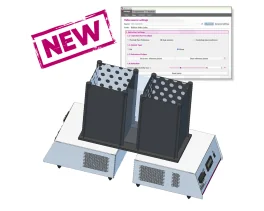
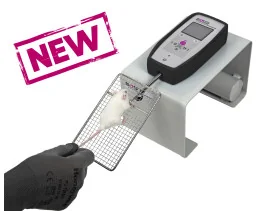
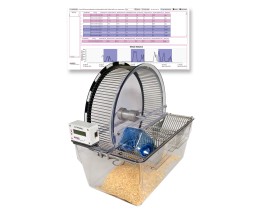
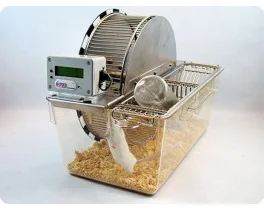
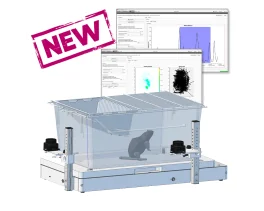
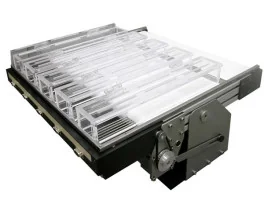
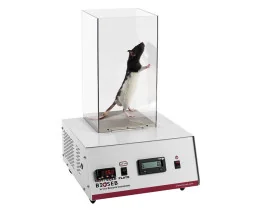
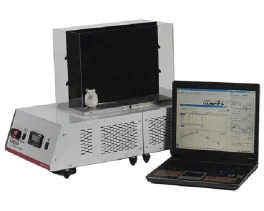
![Dynamic Weight Bearing 2.0 – Postural Module [Add-on]](https://bioseb.com/733-home_default/dynamic-weight-bearing-20-add-on-postural-module.jpg)


 Pain
Pain Central Nervous System (CNS)
 Neurodegeneration
 Sensory system
 Motor control
 Mood Disorders
 Other disorders
 Muscular system
 Joints
 Metabolism
 Cross-disciplinary subjects
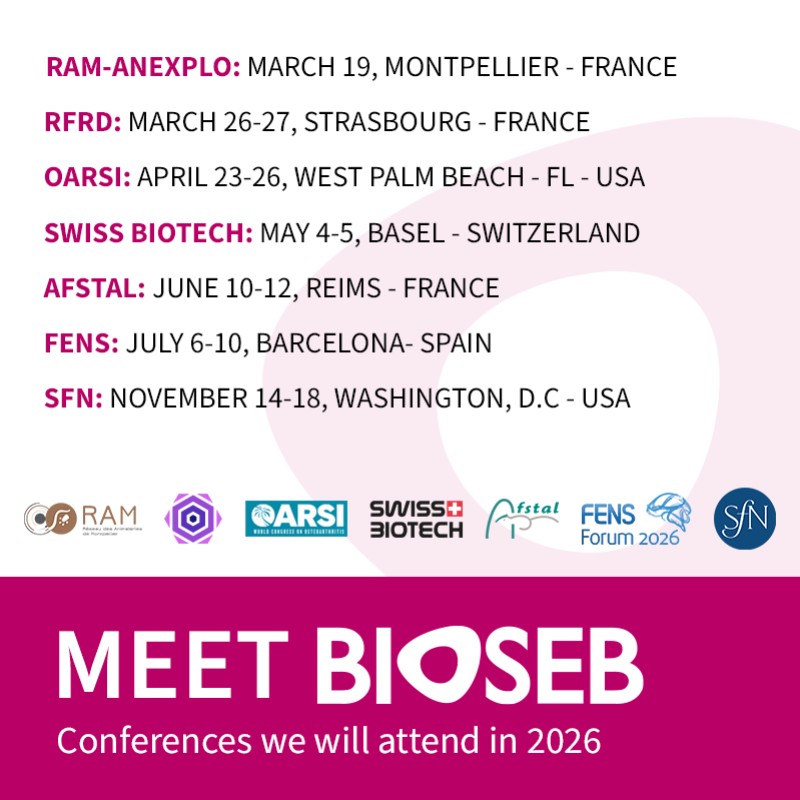 CONFERENCES & MEETINGS 2026
 Authors
Hee Yeon Kim, Daniel Youngjae Park, Eun Hye Cho, Yeon Sung Son, Sung Hyun Kim, Ki Woon Sung, Helena Sofia Martins, Maria João Saraiva, Maria Rosário Almeida, Chang Hoon Ji, Yong Tae Kwon
Lab
Arc Institute; Babraham Institute; Case Western Reserve University; Francis Crick Institute; Michigan State University; Rutgers University; Tel Aviv University; The Whitehead Institute; Berkeley; Vanderbilt University; Yale University
Journal
bioRxiv
Abstract
Abstract
Hereditary transthyretin amyloidosis (hATTR) is characterized by extracellular deposition of amyloidogenic transthyretin (TTR) aggregates, yet the mechanisms governing their clearance remains poorly understood. Here, we identify a key role for the N-degron pathway in lysosomal degradation of the pathogenic TTRV30M variant. Misfolded intracellular TTRV30M was rapidly secreted and subsequently re-entered within 24 hours during cell-to-cell trafficking. The molecular chaperone R-BiP—N-terminally (Nt) arginylated HSPA5/BiP/GRP78— associated with intracellular TTRV30M, and its Nt-arginine functioned as an agonist for the N-recognin sequestosome 1 (SQSTM1/p62). This interaction facilitated p62-dependent autophagosomal sequestration and lysosomal degradation of TTRV30M. To pharmacologically exploit this mechanism, we applied the AUTOTAC (AUTOphagy-TArgeting Chimera) platform, which enables the targeting of substrates to p62 for autophagic clearance. We developed Autotac 201 (ATC201), an 876-Da chimera designed to bind both the T4 pocket of aggregated TTR and p62, thereby promoting selective autophagic degradation. In cultured cells, ATC201 potently reduced intracellular TTRV30M aggregates in a manner depending on p62-mediated autophagy, exhibiting a DC₅₀ of low nM. In hATTR model mice, ATC201 markedly lowered tissue TTR aggregate burden and restored autophagy pathway flux impaired by aggregate accumulation. Treatment improved nerve conduction parameters and reduced peripheral neuropathy scores, indicating functional rescue. ATC201 also led to preservation of muscle strength and attenuation of systemic amyloid deposition. Our findings reveal that the N-degron pathway orchestrates autophagic removal of TTR aggregates and demonstrate the therapeutic potential of AUTOTAC-based degraders for hATTR and other proteinopathies characterized by pathogenic protein aggregation.
Keywords/Topics
p62-dependent autophagosomal sequestration; substrates; hattr model mice; each mouse; autotac-mediated targeted degradation; transthyretin aggregates; hereditary transthyretin; abstract hereditary transthyretin amyloidosis; hattr; extracellular deposition
BIOSEB Instruments Used:
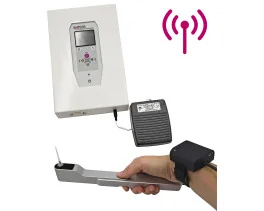
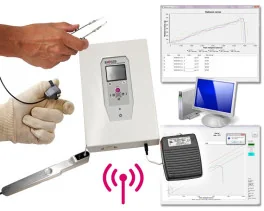
Grip strength test (BIO-GS4)
Source :
https://www.biorxiv.org/content/10.64898/2026.02.23.707350.abstract
