 Activity, Motor Control & Coordination
 Pain - Thermal Allodynia / Hyperalgesia
 Pain - Spontaneous Pain - Postural Deficit
 Pain - Mechanical Allodynia / Hyperalgesia
 Anxiety & Depression Disorder
 Learning/Memory - Attention - Addiction
 Physiology & Respiratory Research
 Metabolism & Nutrition




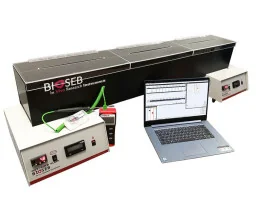


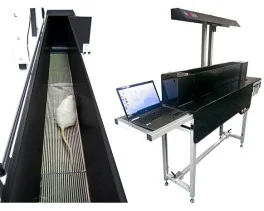
![Dynamic Weight Bearing 2.0 – Postural Module [Add-on]](https://bioseb.com/733-home_default/dynamic-weight-bearing-20-add-on-postural-module.jpg)



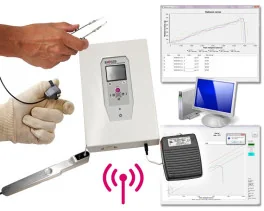



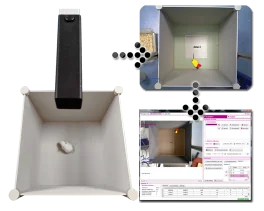











 Pain
Pain Central Nervous System (CNS)
 Neurodegeneration
 Sensory system
 Motor control
 Mood Disorders
 Other disorders
 Muscular system
 Joints
 Metabolism
 Cross-disciplinary subjects
 CONFERENCES & MEETINGS 2026
 Authors
Oswell, Corinna S., Rogers, Sophie A., James, Justin G., McCall, Nora M., Hsu, Alex I., Salimando, Gregory J., Mahmood, Malaika, Wooldridge, Lisa M., Wachira, Meghan, Jo, Adrienne Y., Sandoval Ortega, Raquel Adaia, Wojick, Jessica A., Beattie, Katherine, Farinas, Sofia A., Chehimi, Samar N., Rodrigues, Amrith, Wu, Jacqueline W. K., Ejoh, Lindsay L., Kimmey, Blake A., Lo, Emily, Azouz, Ghalia, Vasquez, Jose J., Banghart, Matthew R., Beier, Kevin T., Creasy, Kate Townsend, Crist, Richard C., Ramakrishnan, Charu, Reiner, Benjamin C., Deisseroth, Karl, Yttri, Eric A., Corder, Gregory
Lab
Journal
Nature
Abstract
The anterior cingulate cortex is a key brain region involved in the affective and motivational dimensions of pain, but how opioid analgesics modulate this cortical circuit remains unclear1. Uncovering how opioids alter nociceptive neural dynamics to produce pain relief is essential for developing safer and more targeted treatments for chronic pain. Here we show that a population of cingulate neurons encodes spontaneous pain-related behaviours and is selectively modulated by morphine. Using deep learning behavioural analyses combined with longitudinal neural recordings in mice, we identified a persistent shift in cortical activity patterns following nerve injury that reflects the emergence of an unpleasant, affective chronic pain state. Morphine reversed these neuropathic neural dynamics and reduced affective–motivational behaviours without altering sensory detection or reflexive responses, mirroring how opioids alleviate pain unpleasantness in humans. Leveraging these findings, we built a biologically inspired chemogenetic gene therapy that targets opioid-sensitive neurons in the cingulate using a synthetic μ-opioid receptor promoter to drive inhibition2. This opioid-mimetic chemogenetic gene therapy recapitulated the analgesic effects of morphine during chronic neuropathic pain, thereby offering a new strategy for precision pain management that targets a key nociceptive cortical opioid circuit with safe, on-demand analgesia. The anterior cingulate cortex encodes affective pain behaviours modulated by opioids; targeting opioid-sensitive neurons through a new chemogenetic gene therapy replicates the analgesic effects of morphine, providing precise chronic pain relief without affecting sensory detection.
Keywords/Topics
Gene therapy; Neuroscience
BIOSEB Instruments Used:
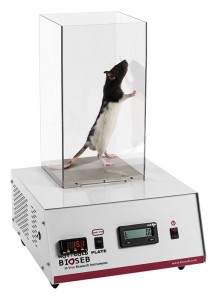
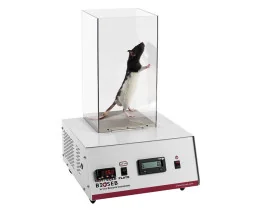
Cold Hot Plate Test (BIO-CHP)
Source :