
 Activity, Motor Control & Coordination
 Pain - Thermal Allodynia / Hyperalgesia
 Pain - Spontaneous Pain - Postural Deficit
 Pain - Mechanical Allodynia / Hyperalgesia
 Anxiety & Depression Disorder
 Learning/Memory - Attention - Addiction
 Physiology & Respiratory Research
 Metabolism & Nutrition

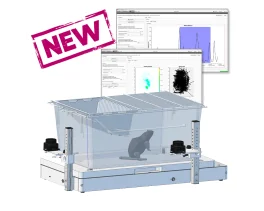


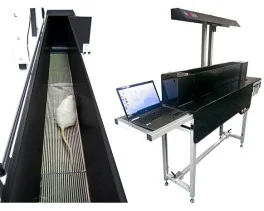
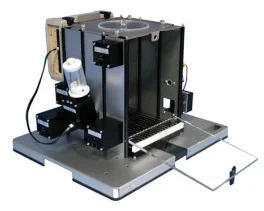
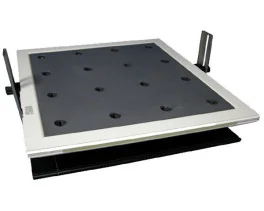
![Dynamic Weight Bearing 2.0 – Postural Module [Add-on]](https://bioseb.com/733-home_default/dynamic-weight-bearing-20-add-on-postural-module.jpg)





 Pain
Pain Central Nervous System (CNS)
 Neurodegeneration
 Sensory system
 Motor control
 Mood Disorders
 Other disorders
 Muscular system
 Joints
 Metabolism
 Cross-disciplinary subjects
 CONFERENCES & MEETINGS 2026
 Authors
Yanshan Liang, Young-Yon Kwon, Sheng Hui
Lab
Journal
iScience
Abstract
Summary
Cancer cachexia is characterized by involuntary weight loss and wasting of fat and muscle, with diminished food intake commonly cited as a cause. However, the extent to which reduced food intake drives these symptoms, and other phenotypes such as physical weakness, remains unclear. Using the colon carcinoma 26 (C26) mouse model, we assessed the role of food intake in key cachexia phenotypes. We found that reduced food intake was the predominant driver of body weight loss and tissue wasting, suggesting no additional causal mechanisms. In contrast, food intake reduction did not affect physical performance, indicating food intake-independent factors in causing weakness. Thus, depending on the model or patient group, reduced food intake may primarily drive some cachectic phenotypes while having no role in others. Discriminating between food intake-mediated effects and those independent of it is critical for guiding research focus and unraveling the causal pathways of cancer cachexia.
Keywords/Topics
Nutrition; Physiology; Cancer
BIOSEB Instruments Used:
Grip strength test (BIO-GS4)
Source :
https://www.cell.com/iscience/fulltext/S2589-0042(26)00900-4