 Activity, Motor Control & Coordination
 Pain - Thermal Allodynia / Hyperalgesia
 Pain - Spontaneous Pain - Postural Deficit
 Pain - Mechanical Allodynia / Hyperalgesia
 Anxiety & Depression Disorder
 Learning/Memory - Attention - Addiction
 Physiology & Respiratory Research
 Metabolism & Nutrition



 Pain
 Central Nervous System (CNS)
 Neurodegeneration
 Sensory system
 Motor control
 Mood Disorders
 Other disorders
 Muscular system
 Joints
 Metabolism
 Cross-disciplinary subjects
 CONFERENCES & MEETINGS 2026
Authors
Rein F. van Welie, Floor C. van Welie, Jennifer P. Trouerbach-Kraan, Albert Dahan, Monique van Velzen, Gisela M. Terwindt
Lab
Journal
European Journal of Pain
Abstract
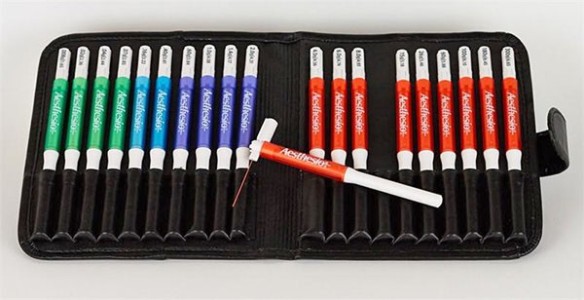
This is the first study to compare EM and CM patients using a comprehensive QST battery. However, there are some limitations: (i) A primary source of interstudy variance is the characteristics of the study cohort, such as baseline headache frequency, migraine phase during the examination and the concomitant use of migraine medications. Due to the high attack frequency in CM, conducting interictal measurements was not possible, which may be a confounding factor. Additionally, 60% of EM patients and 23% of CM patients were on prophylactic treatment, potentially introducing confounding factors in QST parameters. However, in a previous study found no association between prophylactic treatments and QST thresholds for thermal and mechanical pain modalities (Schwedt et al.2011). CM patients often had MOH, which might have influenced the results. Despite these limitations, we observed similar findings for EM and CM; (ii) Although our total sample size is large, it might still be insufficient to detect small differences in QST between EM and CM. However, our subgroup sizes are sufficiently large and among the largest in the field. The sample size in our study, with 59 migraine patients (29 EM and 30 CM), is comparable to or slightly smaller than several studies in the literature. While our EM group is smaller than in some studies, our CM sample is relatively large compared to others, which had smaller CM groups. Overall, our study falls within the typical range of sample sizes used in migraine research, with moderate numbers in both EM and CM subgroups. Also the sex distribution is as expected in a clinical setting as women are approximately three times more likely than men to experience migraine, and this sex disparity is even more pronounced for CM and medication-overuse, driven in part by longer and more treatment-resistant attacks during the perimenstrual window (van Casteren, Kurth, Danser, et al.2021; van Casteren, Verhagen, van der Arend, et al.2021; Verhagen et al.2023), which also leads to higher inclusion of women in studies like ours; (iii) Using verbal responses instead of a stop button, as recommended, may have introduced slight delays in reaction times, potentially influencing thermal detection thresholds. However, this was consistent for EM and CM; (iv) The V2 branch of the trigeminal nerve was measured instead of V1, yet significant differences were still found between migraine participants and controls; (v) Due to the cross-sectional nature of the study, no causal statements can be made; (vi) A limitation is the use of a historical control group rather than a control group tested under the same conditions; (vii) Mechanical detection (MDT) was not included in our analyses as the mechanical detection threshold was determined using calibrated von Frey filaments (Bioseb, France), ranging from 0.25 to 512 mN instead of OptiHair2. We found no difference for EM versus CM but refrained from the comparison with the historical control group, as for that group, the OptiHair2 was used.
Keywords/Topics
chronic migraine (CM); episodic migraine (EM); migraine; pain profile; psychophysical measurement; quantitative sensory testing (QST)
BIOSEB Instruments Used:
Von Frey Filaments (BIO-VF-M)
Source :