 Activity, Motor Control & Coordination
 Pain - Thermal Allodynia / Hyperalgesia
 Pain - Spontaneous Pain - Postural Deficit
 Pain - Mechanical Allodynia / Hyperalgesia
 Anxiety & Depression Disorder
 Learning/Memory - Attention - Addiction
 Physiology & Respiratory Research
 Metabolism & Nutrition
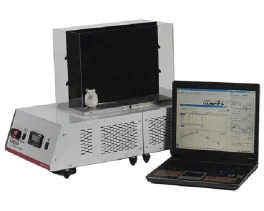
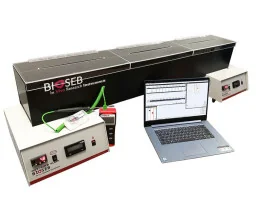
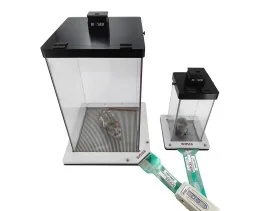
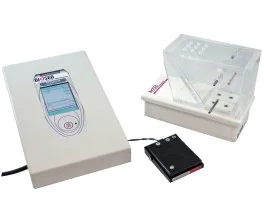
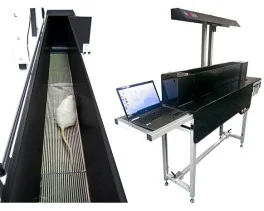
![Dynamic Weight Bearing 2.0 – Postural Module [Add-on]](https://bioseb.com/733-home_default/dynamic-weight-bearing-20-add-on-postural-module.jpg)



 Pain
Pain Central Nervous System (CNS)
 Neurodegeneration
 Sensory system
 Motor control
 Mood Disorders
 Other disorders
 Muscular system
 Joints
 Metabolism
 Cross-disciplinary subjects
 CONFERENCES & MEETINGS 2026
 Authors
Yoon-Ra Her, Andrea Fuentes-Moliz, Rashmi Kothary, Lucia Tabares, Umrao R. Monani
Lab
The Whitehead Institute; San Diego; Weizmann Institute of Science
Journal
bioRxiv
Abstract
Abstract
Spinal muscular atrophy (SMA) is an oft-fatal infantile-onset neuromuscular disease caused by low SMN protein. Administration of SMN-inducing agents to SMA newborns prevents early mortality, but therapeutic outcomes vary considerably, and disease mechanisms remain poorly understood. Genetic modifiers can provide clues to disease mechanisms and serve as targets for novel treatments. Here, we describe how one such modifier suppresses SMA in model mice. We show that the modifier, an Hspa8G470R synaptic chaperone variant we previously identified, functions beyond an already defined role as an SMN2 splice-switcher. Even in mice lacking the SMN2 gene, the modifier, whether expressed genetically or exogenously, potently suppressed disease, preventing motor neuron degeneration, ameliorating neuromuscular dysfunction and extending lifespan more than ten-fold. Unexpectedly, this was once again associated with incremental SMN increase – an outcome we discovered is linked to Hspa8G470R-mediated autophagy, effects of the modifier on autophagy-associated intermediate complexes and, ultimately, reduced SMN turnover. Interestingly, however, Hspa8G470R also stimulated neuromuscular transmission significantly, raising the effective, functional readily releasable pool of motor neuronal synaptic vesicles. This effect was not limited to mutants alone but apparent in healthy controls too and did not correlate with mere increase in SMN. Combined, these outcomes suggest that Hspa8 governs neuromuscular function in several ways including direct effects on synapses. Mechanisms revealed here shed additional light on pathways gone awry in SMA – ones that might be modulated to develop or refine therapies for neuromuscular disorders at large.
Keywords/Topics
model mice; administration; mice; motor neuron degeneration; grip strength; protein-stabilizing and neurotransmission-potentiating activities; spinal muscular atrophy; low smn protein; smn-inducing agents; sma newborns
BIOSEB Instruments Used:
Grip strength test (BIO-GS4)
Source :
https://www.biorxiv.org/content/10.64898/2026.02.23.707472.abstract