 Activity, Motor Control & Coordination
 Pain - Thermal Allodynia / Hyperalgesia
 Pain - Spontaneous Pain - Postural Deficit
 Pain - Mechanical Allodynia / Hyperalgesia
 Anxiety & Depression Disorder
 Learning/Memory - Attention - Addiction
 Physiology & Respiratory Research
 Metabolism & Nutrition

![Dynamic Weight Bearing 2.0 – Postural Module [Add-on]](https://bioseb.com/733-home_default/dynamic-weight-bearing-20-add-on-postural-module.jpg)



 Pain
Pain Central Nervous System (CNS)
 Neurodegeneration
 Sensory system
 Motor control
 Mood Disorders
 Other disorders
 Muscular system
 Joints
 Metabolism
 Cross-disciplinary subjects
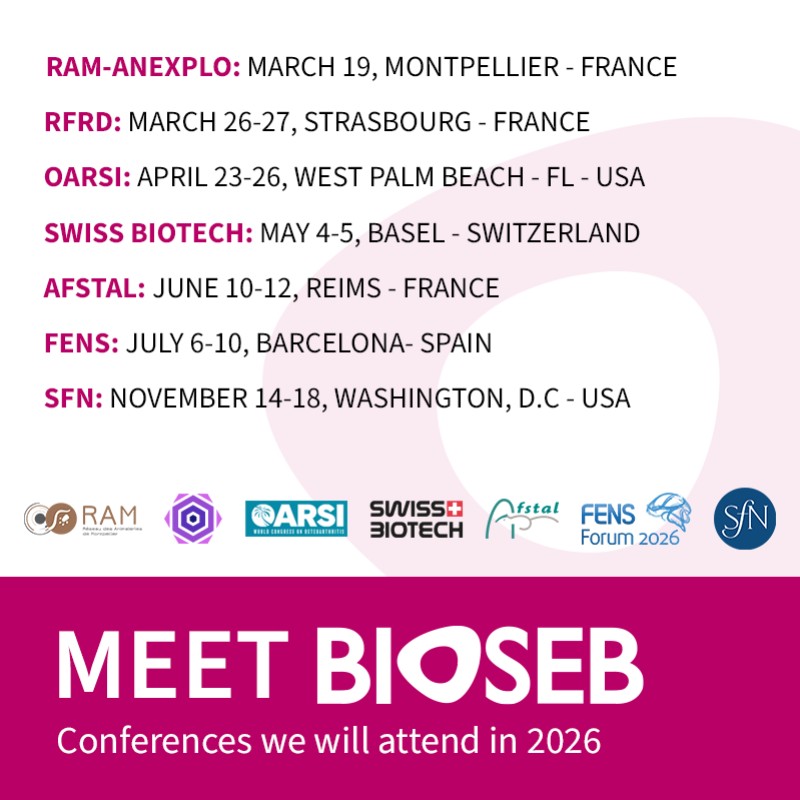 CONFERENCES & MEETINGS 2026
 Authors
John D. E. Barks, Yiqing Liu, Ian A. Dopp & Faye S. Silverstein
Lab
Department of Pediatrics, University of Michigan Medical School, The University of Michigan, Ann Arbor, MI, USA
Journal
Pediatric Research
Abstract
Background
Systemic inflammation amplifies neonatal hypoxic-ischemic (HI) brain injury. Azithromycin (AZ), an antibiotic with anti-inflammatory properties, improves sensorimotor function and reduces tissue damage after neonatal rat HI brain injury. The objective of this study was to determine if AZ is neuroprotective in two neonatal rat models of inflammation-amplified HI brain injury.
Design/Methods
Seven-day-old (P7) rats received injections of toll-like receptor agonists lipopolysaccharide (LPS) or Pam3Cys-Ser-(Lys)4 (PAM) prior to right carotid ligation followed by 50 min (LPS + HI) or 60 min (PAM + HI) in 8% oxygen. Outcomes included contralateral forelimb function (forepaw placing; grip strength), survival, %Intact right hemisphere (brain damage), and a composite score incorporating these measures. We compared postnatal day 35 outcomes in controls and groups treated with three or five AZ doses. Then, we compared P21 outcomes when the first (of five) AZ doses were administered 1, 2, or 4 h after HI.
Results
In both LPS + HI and PAM + HI models, AZ improved sensorimotor function, survival, brain tissue preservation, and composite scores. Benefits increased with five- vs. three-dose AZ and declined with longer initiation delay.
Conclusions
Perinatal systemic infection is a common comorbidity of neonatal asphyxia brain injury and contributes to adverse outcomes. These data support further evaluation of AZ as a candidate treatment for neonatal neuroprotection.
Keywords/Topics
Azithromycin; inflammation;ischemic; stroke, rats
Source :