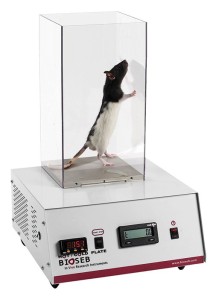
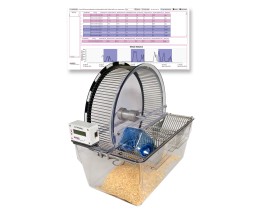
 Activity, Motor Control & Coordination
 Pain - Thermal Allodynia / Hyperalgesia
 Pain - Spontaneous Pain - Postural Deficit
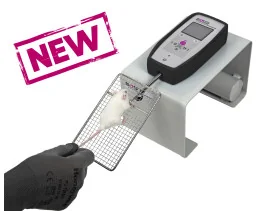
 Pain - Mechanical Allodynia / Hyperalgesia
 Anxiety & Depression Disorder
 Learning/Memory - Attention - Addiction
 Physiology & Respiratory Research
 Metabolism & Nutrition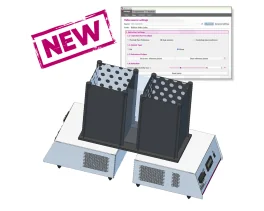


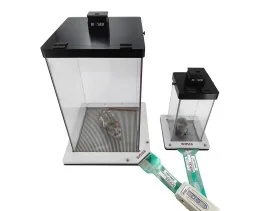
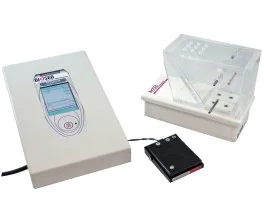
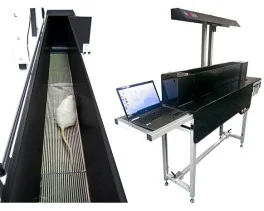
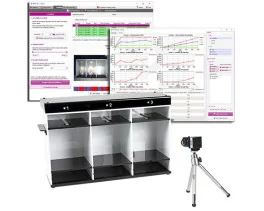
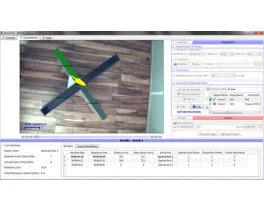
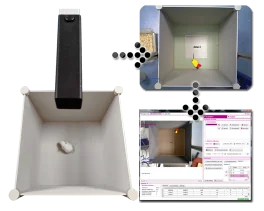
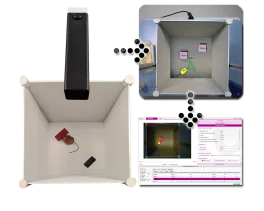
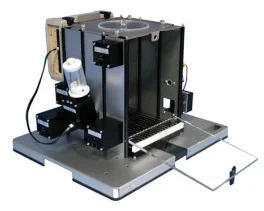
![Dynamic Weight Bearing 2.0 – Postural Module [Add-on]](https://bioseb.com/733-home_default/dynamic-weight-bearing-20-add-on-postural-module.jpg)
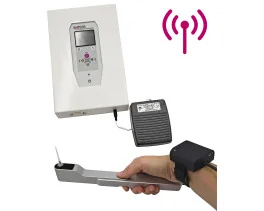


 Pain
Pain Central Nervous System (CNS)
 Neurodegeneration
 Sensory system
 Motor control
 Mood Disorders
 Other disorders
 Muscular system
 Joints
 Metabolism
 Cross-disciplinary subjects
 CONFERENCES & MEETINGS 2026
 Authors
Xue BAI, Chenghong SUN, Kai SONG, Xiaojun ZHOU, Li WANG, Xin LI, Qian ZHOU
Lab
Journal
Physiological Research
Abstract
Echinacoside (ECH), a naturally occurring phenylethanoid glycoside, has demonstrated promising therapeutic potential for neuropsychiatric disorders in preclinical studies [10]. Accumulating evidence indicates that ECH exerts multifaceted neuroprotective effects, including mitochondrial function preservation, oxidative stress reduction, anti-inflammatory activity, endoplasmic reticulum stress attenuation, and autophagy induction [11]. In the present study, we provide novel evidence that ECH (100 mg and 200 mg/kg, intraperitoneally) for 7 days effectively prevents the development of paclitaxel-induced peripheral neuropathy (PIPN) in mice. Our findings demonstrate that repeated ECH administration during PIPN induction significantly alleviated mechanical allodynia and thermal/cold hyperalgesia, suggesting a prophylactic role in neuropathic pain. The beneficial effects of ECH in PIPN were associated with the suppression of spinal microglial and astrocytic activation, along with reduced expression of pro-inflammatory cytokines (IL-1β, TNF-α, IL-6). These findings align with previous reports on ECH’s anti-neuroinflammatory properties [12]. Furthermore, ECH treatment attenuated the loss of plantar nerve fibers, indicating its direct neuroprotective function. Given that neuroinflammation and peripheral nerve degeneration are key contributors to chemotherapy-induced neuropathy (CIPN) [13], our results suggest that ECH may act through multiple mechanisms to counteract PIPN pathogenesis.
Keywords/Topics
anti-inflammatory activity; mice; repeated ech administration; mechanical allodynia; thermal cold hyperalgesia; neuropathic pain; peripheral nerve degeneration; prophylactic effect; echinacoside; peripheral neuropathy
Source :