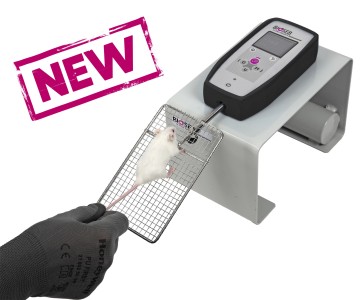
 Activity, Motor Control & Coordination
 Pain - Thermal Allodynia / Hyperalgesia
 Pain - Spontaneous Pain - Postural Deficit
 Pain - Mechanical Allodynia / Hyperalgesia
 Anxiety & Depression Disorder
 Learning/Memory - Attention - Addiction
 Physiology & Respiratory Research
 Metabolism & Nutrition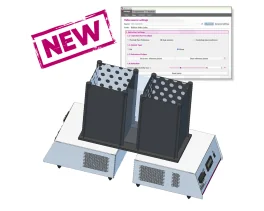
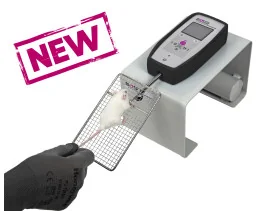
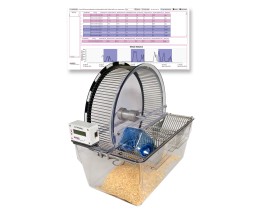
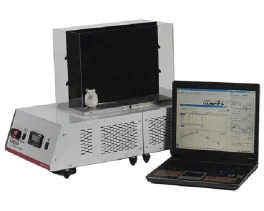
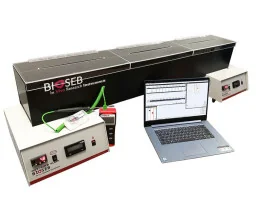
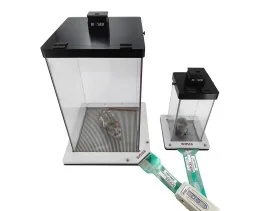
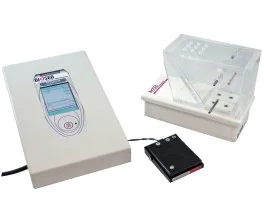
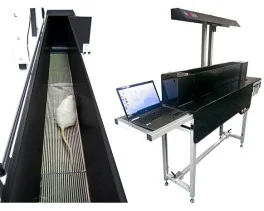
![Dynamic Weight Bearing 2.0 – Postural Module [Add-on]](https://bioseb.com/733-home_default/dynamic-weight-bearing-20-add-on-postural-module.jpg)



 Pain
Pain Central Nervous System (CNS)
 Neurodegeneration
 Sensory system
 Motor control
 Mood Disorders
 Other disorders
 Muscular system
 Joints
 Metabolism
 Cross-disciplinary subjects
 CONFERENCES & MEETINGS 2026
 Authors
Yiyang Li, Jiacheng Hu, Jinfen Chen, Manfei Zhou, Mingchun Liao, Yayue Yang, Jiahao Zhou, Yan Han, Bin Wang, Yonghua Zhao
Lab
Journal
Journal of Extracellular Vesicles
Abstract
To promote the clinical translation of this new therapeutic, further studies should address the following essential points based on the limitations of the current study. First of all, quicker, large-scale and stable production methods of RVG-modified sEVs are required. As the current isolation and modification technologies for isolating sEVs are still high-cost and time-consuming (Welsh et al.2024, Lai et al.2022), developing more instant, precise and highly qualified industrial sEVs isolation and purification standards are the basis for the translation of bioengineered sEVs. Secondly, though we have revealed the bio-engineered sEVs treatment mechanism relies on PTEN/Akt/mTOR pathway, considering the complex regulation of PTEN and Akt signalling on other pathways and the vast transcription intervention by miRNAs, RNA-seq technologies should be applied to neuronal cells subjected to bio-engineered sEVs treatment, and non-coding RNA-seq or proteomics for the bio-engineered sEVs are also vital to question other potential mechanisms. Third, although we have tested the bio-engineered sEVs can restore mice's neurological function from 3 to 14 days post stroke, further work should evaluate the longer-term functional recovery effect or neurological trajectories with larger sample size (more than 12 per group) and expand the cognitive function assessment (e.g., Morris water maze test, novel object recognition or Y-maze tests) to comprehensively enhance the treatment translation potential. Fourth, we only evaluated the in vivo distribution of bioengineered sEVs by IVIS imaging, but not defined the distribution in specific cell types, future studies should conduct the experiment of the RVG-modified sEVs biodistribution in cell-type level to confirm the targeting effect on neurons. Next, though RVG and miRNA overexpression for sEVs modifications are mature for pre-clinical studies, the potential immunogenicity caused by bioengineering cannot be neglected. Our data in rodents showed no obvious organ toxicity, haemolytic risk and pro-inflammatory potential, but considering that RVG is from the rabies virus, more possible risks should be evaluated by intensive safety tests, and miR-21-5p was reported to play an important role in cancer; the tumourigenic risk for systemic administration of miR-21-5p overexpressed sEVs should also be assessed. Additionally, we investigated the bioengineered sEVs therapeutics only on young stroke mice; however, evaluating the treatment on aged stroke mice with comorbidities may provide stronger evidence for clinical translation (Popa-Wagner et al.2020, Dumbrava et al.2022). Future studies should carry out rigorous investigations for the effect and mechanism studies on aged stroke mice with co-risk factor diseases such as obesity, diabetes and hypertension to mimic the clinical stroke patients' pathology. Anyway, collectively, our study pre-clinically demonstrated that RVG-miR21-sEVs can transfer miR-21-5p to neurons and suppress autophagic injury by targeting the PTEN/Akt/mTOR axis, consequently recovering neuron survival and neurological function in IS mice.
Keywords/Topics
ischaemic stroke; miR-21; PTEN; RVG; small extracellular vesicles
Source :
https://isevjournals.onlinelibrary.wiley.com/doi/abs/10.1002/jev2.70295