 Activity, Motor Control & Coordination
 Pain - Thermal Allodynia / Hyperalgesia
 Pain - Spontaneous Pain - Postural Deficit
 Pain - Mechanical Allodynia / Hyperalgesia
 Anxiety & Depression Disorder
 Learning/Memory - Attention - Addiction
 Physiology & Respiratory Research
 Metabolism & Nutrition
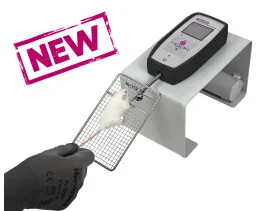
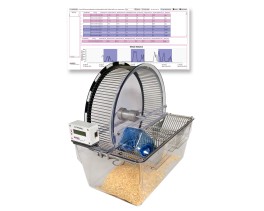
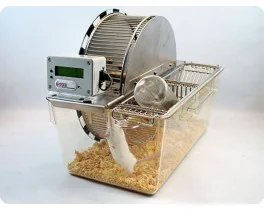
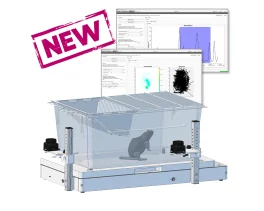

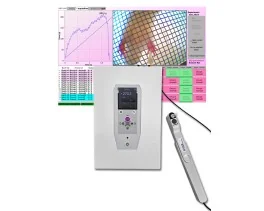
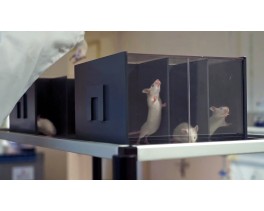
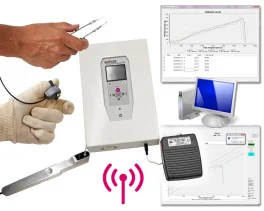
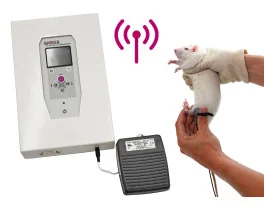


 Pain
 Central Nervous System (CNS)
 Neurodegeneration
 Sensory system
 Motor control
 Mood Disorders
 Other disorders
 Muscular system
 Joints
 Metabolism
 Cross-disciplinary subjects
 CONFERENCES & MEETINGS 2026
Authors
Azeb Tadesse Argaw, Linnea Asp, Jingya Zhang, Kristina Navrazhina, Trinh Pham, John N. Mariani, Sean Mahase, Dipankar J. Dutta, Jeremy Seto, Elisabeth G. Kramer, Napoleone Ferrara, Michael V. Sofroniew, Gareth R. John
Lab
Journal
Journal of Clinical Investigation
Abstract
Excitatory DREADD-based modulation induces astrocyte abundance and expansion of cellular architecture observed in the dorsal horn, markers indicative of astrogliosis. During persistent pain, astrogliosis in the dorsal horn features prominently, aligning with the induction and establishment of persistent pain in rodent models.31This is demonstrated by increased abundance of reactive astrocytes (GFAP- and/or S100β-positive cell types) typically represented as increased astrocyte proliferation and/or enlargement of astrocytic processes29in the dorsal horn following the induction of preclinical models of persistent pain, which includes inflammatory15,28and neuropathic pain.16In addition, the presence of reactive astrocytes is located in the spinal cord tissue of human pain patients.45Furthermore, in rodents in which DREADD-induced astrocyte activation is initiated, mechanical and heat hyperalgesia develops, indicating that activation of astrocytes is integral to the development of exaggerated nociceptive behavioural phenotypes and the onset of persistent pain. These comparisons between rodent models of inducing reactive astrocytes and neuropathic pain models highlight the similarities between these differing experimental contexts, while providing greater insight into the impact of isolated astrocyte biology on nociceptive behaviours. In addition, the delivery of the DREADD-based approach adopted in this study using AAV5 has previously been utilised to explore astrocyte involvement in nociception,1,56although we acknowledge other AAV serotypes have also been utilised.14In the dorsal horn, astrocytes modulate dorsal horn neuronal activity, synaptic transmission, and alter nociceptive processing through coordinating neural bioenergetics38and neurotransmitter supplementation.56These interactions are driven by astrocytes producing numerous gliotransmitters implicated in astrocyte-dependent induction of pain hypersensitivity (eg, ATP, calcium),56triggering the neuroplasticity of the somatosensory nervous system. This is, for example, through alterations to nociceptive processing resulting in the potentiation of neurokinin 1 projection neuron excitability.56Furthermore, astrocytes induce pain hypersensitivity beyond stereotypical enhancement of excitatory neural communication, also through the shuttling of energy metabolites (eg, lactate) between astrocytes and neurons to enhance and activate the pain axis to ensure nociceptive pathways remain activated and pain chronification persists.38However, these neuron-astrocyte processes do not work in isolation, with the knowledge that the astrocytes and endothelium interact strongly in the nervous system2including the dorsal horn,5,24,26with astrocyte interactions fundamental in maintaining the integrity of the endothelium.19These astrocyte-endothelial interactions are represented by abundant coverage of the CNS endothelium by astrocytic endfeet, which are labelled by aquaporin 4 (AQP4) immunoreactivity.46The role of astrocyte-dependent influence over angiogenesis in the dorsal horn to modulate nociceptive processing is currently unknown. In this study, DREADD-based induction of astrogliosis promoted exaggerated levels of interactions between the capillaries and the astrocytes in the dorsal horn, with this DREADD-based induced astrogliosis driving endothelium degeneration in the dorsal horn. Our previous study has implicated degeneration of the endothelium as a principal inducing component of the pain hypersensitivity phenotype,53with particular reference to diabetic neuropathic pain.50It remains unclear how this small vessel disease progresses in the pain-neuro axis. To date, it is recognised across numerous differing neurological diseases that damage to small vessels is integral to disease progression, with astrogliosis widely associated with such neuropathology, including Alzheimers.25,28The role of astrocytes in relation to capillary function and health in the CNS has been described as divergent, presenting protective as well as deleterious functional components,18with evidence outlining that astrocytes modulate capillary tone both through vasodilation and vasoconstriction.17Furthermore, diverse astrocyte-derived secretory factors also influence vascular processes through inflammatory and angiogenic components,2with angiogenic factors such as VEGF-A derived from astrocytes.2In relation to nociception and the dorsal horn, astrocyte plasticity under stress (eg, disease, treatment) is strongly associated with disruption in the blood-spinal cord barrier, a process that initiates pain,16,46as well as a wide range of neurological diseases such as amyotrophic lateral sclerosis.49Importantly, impairment of key astrocyte processes and interactions with the endothelium prevents the onset of persistent pain through suppression of AQP4 expression.34This study does not provide further understanding of the neuron-astrocyte relationship or the processes that directly impact the dorsal horn to coordinate the induction of pain hypersensitivity. However, the explored astrocyte-endothelium interaction does not impact upon dorsal horn viability.
Keywords/Topics
astrocyte coordinated remodelling; pain excitatory dreadd-based modulation; persistent pain; models 31this; increased astrocyte proliferation; preclinical models; neuropathic pain 16in addition; human pain patients 45furthermore; rodents; mechanical and heat hyperalgesia
Source :