 Activity, Motor Control & Coordination
 Pain - Thermal Allodynia / Hyperalgesia
 Pain - Spontaneous Pain - Postural Deficit
 Pain - Mechanical Allodynia / Hyperalgesia
 Anxiety & Depression Disorder
 Learning/Memory - Attention - Addiction
 Physiology & Respiratory Research
 Metabolism & Nutrition



 Pain
 Central Nervous System (CNS)
 Neurodegeneration
 Sensory system
 Motor control
 Mood Disorders
 Other disorders
 Muscular system
 Joints
 Metabolism
 Cross-disciplinary subjects
 CONFERENCES & MEETINGS 2026
Authors
Ana Carolina Schmaedeke, Fátima Smith Erthal, Claudia Domingues Vargas, Bia Lima Ramalho
Lab
Journal
Neural Plasticity
Abstract
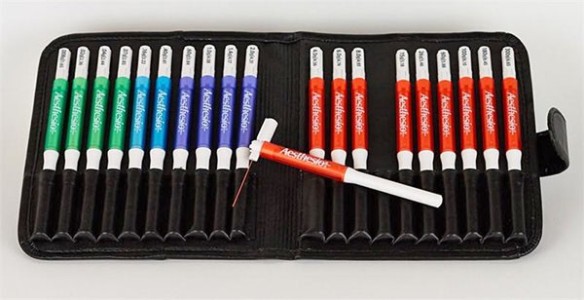
During the screening performed in Experiment 1, two participants (BPI10 and BPI11) consistently reported evoked sensations in the chest when the lateral forearm was stimulated. These two subjects had undergone ICNs–MCN transfer. To map the chest RS, a new protocol specifically designed for this purpose was applied. The protocol was adapted from that used in amputees to map the sensation of the amputated limb after surgically targeted sensory reinnervation of a pectoral region [33]. Thus, a grid of points was drawn with a dermographic pencil around the autonomous zone of the MCN [34] in the participant’s injured forearm (Figure1B) to standardise the stimulation area. For stimulation, the filament with the greatest calibre from a set of 20 Semmes–Weinstein monofilaments (Bioseb, Vitrolles, France) was selected to ensure that participants felt the stimuli, avoiding false negatives (based on our previous findings of increased touch thresholds in TBPI participants [19]). Furthermore, with this filament, it was possible to stimulate restricted areas of the skin, allowing detailed mapping of the forearm. This filament exerts a force of 160 g (or 6.20 log of the force [10 × force in mg]) when applied at 90° over the skin, bending into a ‘C’ shape [19]. Participants were asked to sit comfortably, bare-chested and blindfolded, with the injured arm resting on a pillow. The grid points were then stimulated by applying the filament to each point once. The participants were instructed to say ‘yes’ every time they felt something. Then, the evaluator asked them to report the type of evoked sensation and to point out, with the uninjured upper limb, the region where the sensation was felt. When the RS was reported, its location was delimited with a dermographic pencil. The instructions given before Experiment 2 are in theSupporting Information.
Keywords/Topics
brain reorganisation; nerve transfer; referred sensation; sensory assessment; traumatic brachial plexus injury
Source :