 Activity, Motor Control & Coordination
 Pain - Thermal Allodynia / Hyperalgesia
 Pain - Spontaneous Pain - Postural Deficit
 Pain - Mechanical Allodynia / Hyperalgesia
 Anxiety & Depression Disorder
 Learning/Memory - Attention - Addiction
 Physiology & Respiratory Research
 Metabolism & Nutrition


 Pain
 Central Nervous System (CNS)
 Neurodegeneration
 Sensory system
 Motor control
 Mood Disorders
 Other disorders
 Muscular system
 Joints
 Metabolism
 Cross-disciplinary subjects
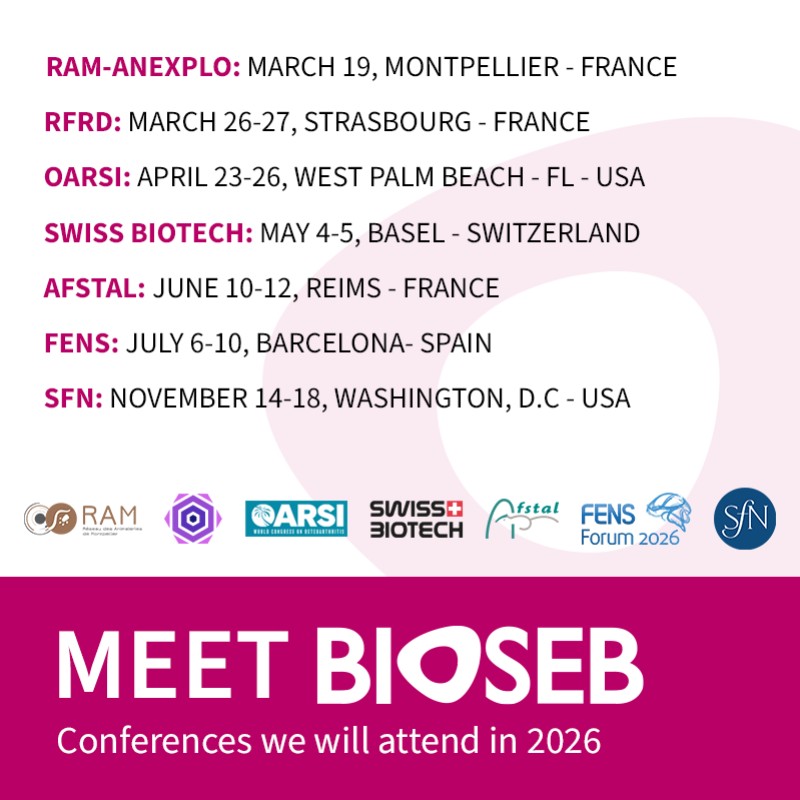 CONFERENCES & MEETINGS 2026
Authors
Junhee Lee, Junhui Kang, Sungmin Han, Ho-Tak Jung, Daedong Kim, Dong-Woo Lee, Jae-Kwan Hwang
Lab
Journal
Food Science & Nutrition
Abstract
Six-week-old male BALB/c mice were purchased from Samtako Bio Korea (Osan, Korea) and acclimated for 7 days before CT26 cell inoculation. Acclimation was conducted at the Yonsei Laboratory Animal Research Center (Seoul, Korea) under a 12-h light/12-h dark cycle, constant temperature (23°C ± 2°C) and relative humidity of 55% ± 5%. Then, the mice were randomly assigned to four groups (n= 10 per group): (1) a non-cachectic control (CON), (2) CC, (3) CC + AKE125 (CC treated with 125 mg/kg/day AKE) and (4) CC + AKE250 (CC treated with 250 mg/kg/day AKE). The right flank of mice was shaved using clippers (Voguers, Bucheon, Korea) and hair removal cream (Nair; Church & Dwight Co. Inc., Princeton, NJ, USA). CC was induced by subcutaneous injection of 1 × 10⁶CT26 cells into the right flank, whereas mice in the CON group received an equal volume of PBS. Oral administration of AKE (125 or 250 mg/kg/day) was initiated on Day 8 after CT26 cell inoculation and continued for 14 days. Body weight and tumor volume were measured on alternate days. Tumor volume (V) was estimated using electronic calipers (Mitutoyo Co., Kanagawa, Japan) and calculated based on the hemi-ellipsoid formula: V = (d2× D)/2, where d and D denote the shorter and the longer diameter, respectively (Barés et al.2021). At the end of the experiment, the mice were euthanized under anesthesia via cardiac puncture. Liver and spleen weights were assessed at the end of the experiment as indicators of systemic toxicity. No significant differences were observed between AKE-treated and control groups, suggesting that AKE administration did not induce measurable systemic adverse effects (FigureS2). Tumors, skeletal muscles (quadriceps [QD], gastrocnemius [GA], soleus [SOL], tibialis anterior [TA] and extensor digitorum longus [EDL]) and adipose tissues (epididymal white adipose tissue [eWAT], subcutaneous white adipose tissue [sWAT] and brown adipose tissue [BAT]) were extracted. All animal procedures were approved by the Institute of Animal Care and Use Committee (IACUC) of Yonsei University (Seoul, Korea; permit number: IACUC-202411-1959-02).
Keywords/Topics
adipose tissue wasting; Amaranth (Amaranthus caudatus L.); cancer cachexia; Korean mint (Agastache rugosa); muscle atrophy
Source :