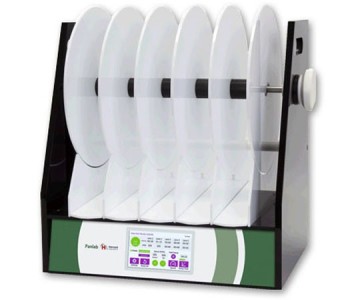
 Activity, Motor Control & Coordination
 Pain - Thermal Allodynia / Hyperalgesia
 Pain - Spontaneous Pain - Postural Deficit
 Pain - Mechanical Allodynia / Hyperalgesia
 Anxiety & Depression Disorder
 Learning/Memory - Attention - Addiction
 Physiology & Respiratory Research
 Metabolism & Nutrition





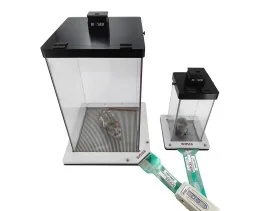

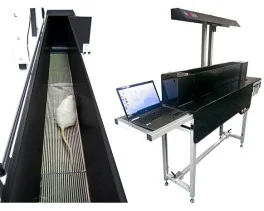
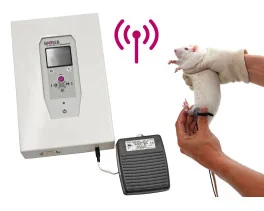
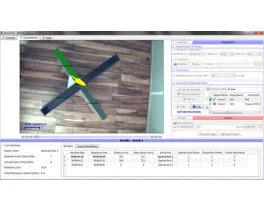
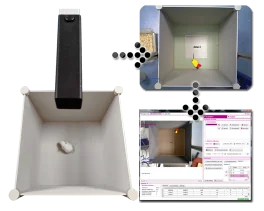
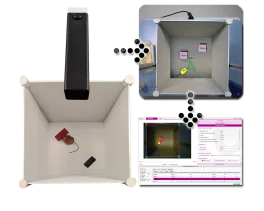
![Dynamic Weight Bearing 2.0 – Postural Module [Add-on]](https://bioseb.com/733-home_default/dynamic-weight-bearing-20-add-on-postural-module.jpg)


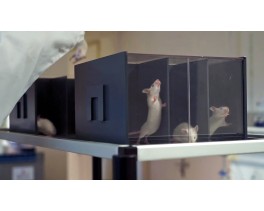
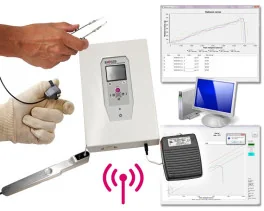












 Pain
Pain Central Nervous System (CNS)
 Neurodegeneration
 Sensory system
 Motor control
 Mood Disorders
 Other disorders
 Muscular system
 Joints
 Metabolism
 Cross-disciplinary subjects
 CONFERENCES & MEETINGS 2026
 Authors
Seonhee Kim, Anthony Coleon, Florence Larrous, Lauriane Kergoat, Said Mougari, Julien Lannoy, Marta Tiago, David Hardy, Etienne Kornobis, Felix A. Rey, Fabio Benigni, Davide Corti, Hervé Bourhy, Guilherme Dias de Melo
Lab
Brown University; Johns Hopkins University; Morgridge Institute; Rutgers University; Stockholm University; The Rockefeller University; Berkeley; University of Guelph; University of Hong Kong; University of Sydney
Journal
bioRxiv
Abstract
Rabies is a complex disease that has defied efforts to develop an effective treatment. Although it can be successfully prevented through vector control or pre- or post-exposure prophylaxis, no therapeutic options exist for symptomatic rabies, and the disease is still responsible for about 59 000 human deaths each year. Following our successful attempts to use the human monoclonal antibodies RVC20 and RVC58 for intracerebroventricular treatment of rabies, we report here on the effects of these mAbs when administered intravenously and intramuscularly to symptomatic mice. Only a small proportion of mAbs was detected to cross the blood-brain barrier, yet this limited amount sufficiently cleared the viral infection and improved the survival rate of infected mice. Remarkably, these mAbs appeared more effective when used individually than when combined as a cocktail. RVC58 achieved an 80% survival rate, potentially due to its distinct binding topography, potent viral neutralization, and enhanced FcγR engagement in the presence of virions. These findings suggest that monotherapy with a single mAb fully capable of engaging FcγR may be possible, which could substantially lower the costs and improve treatment accessibility in under-resourced settings, potentially contributing to improved equity of global health. Taken together, this study supports mAb therapy as a promising preclinical approach for symptomatic rabies and provides a foundation for further development of an accessible treatment option.
Keywords/Topics
symptomatic mice; infected mice; monoclonal; viral clearance; fc-dependent neuroprotection; that; efforts; vector control; pre- or post-exposure prophylaxis; no therapeutic options
Source :
https://www.biorxiv.org/content/10.64898/2026.01.13.699195.abstract